
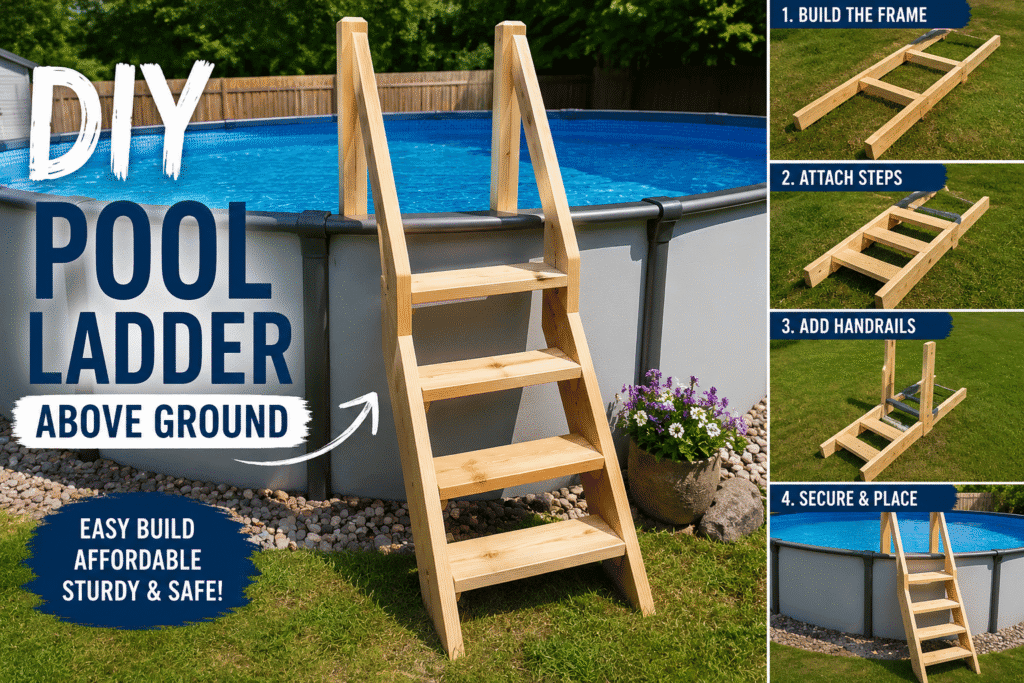
A diy pool ladder can transform how your family enjoys summer swims. Building your own ladder saves money compared to store options. It also lets you customize height, material, and finish. This guide walks through every step of the process.
Whether you own an above ground pool ladder or an inground setup, safety matters most. We will cover materials, design ideas, weights, platforms, and covers. You will also learn about mats, gates, and pet-friendly options. By the end, you will have a clear building plan.
Homemade ladders give you full control over durability and looks. Many families prefer a handmade pool ladder over pricey kits. This article breaks everything into simple, numbered sections. Let’s dive into the details together.
1. Diy Pool Ladder Above Ground Basics
Contents
- 1 1. Diy Pool Ladder Above Ground Basics
- 2 2. Choosing The Right Above Ground Pool Ladder
- 3 3. Diy Pool Ladder Design Ideas To Try
- 4 4. Best Materials For Diy Pool Ladders
- 5 5. Diy Pvc Pool Ladder Build Guide
- 6 6. Diy Pool Ladder Weights For Stability
- 7 7. Diy Pool Ladder Safety Tips
- 8 8. Diy Pool Ladder Platform Additions
- 9 9. Diy Pool Ladder With Gate Options
- 10 10. Diy Pool Ladder Cover Choices
- 11 11. Diy Pool Ladder Mat For Traction
- 12 12. Diy Pool Ladders For Above Ground Pools Comparison
- 13 13. Intex Pool Ladder With Platform Alternatives
- 14 14. Diy Pool Ladder For Dogs
- 15 15. Pool Steps Vs Pvc Ladder Options
- 16 Conclusion
Above ground pools need sturdy, reliable entry points for daily use. A diy pool ladder above ground design usually uses PVC or wood. Height depends on your pool wall measurement and deck setup. Always measure twice before cutting any material.
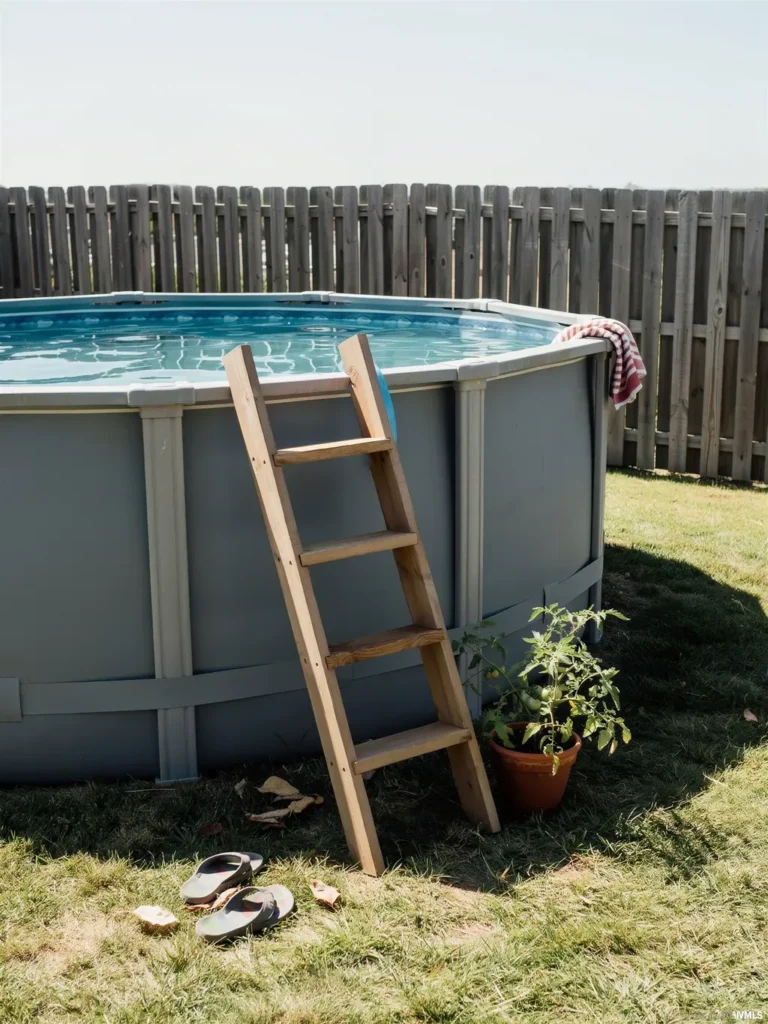
Most above ground pool steps require a wide base for balance. Beginners should start with simple two-step designs first. Advanced builders can add curved rails or extra grip padding. Keep weight capacity in mind for family use.
2. Choosing The Right Above Ground Pool Ladder
Picking materials early makes the entire project smoother. Aluminum resists rust but costs more than PVC pipe. Wood offers a natural look but needs sealant yearly. Consider your climate before choosing final materials.
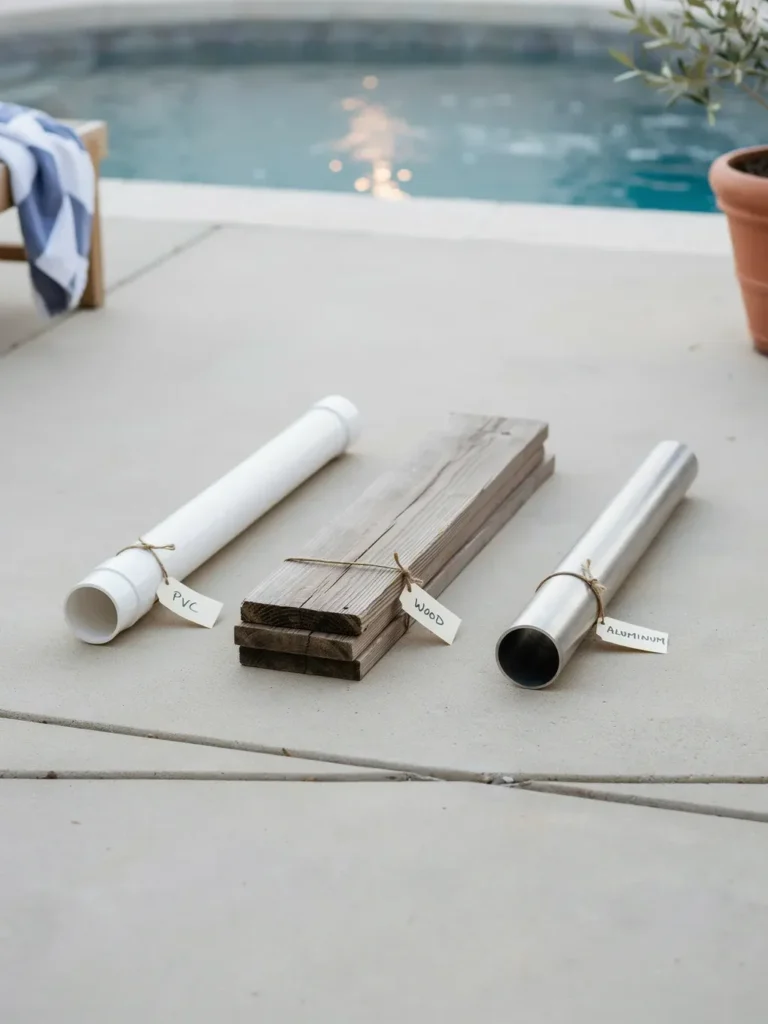
Budget also shapes your ladder choice significantly. Cheaper builds use basic PVC connectors and fittings. Premium builds include padded steps and non-slip coating. Match your choice to your family’s actual needs.
3. Diy Pool Ladder Design Ideas To Try
Creative diy pool ladder design ideas can elevate your backyard style. Curved ladders look modern and blend with landscaping. Straight ladders remain simple and easier to build quickly. Choose a style matching your pool’s overall theme.
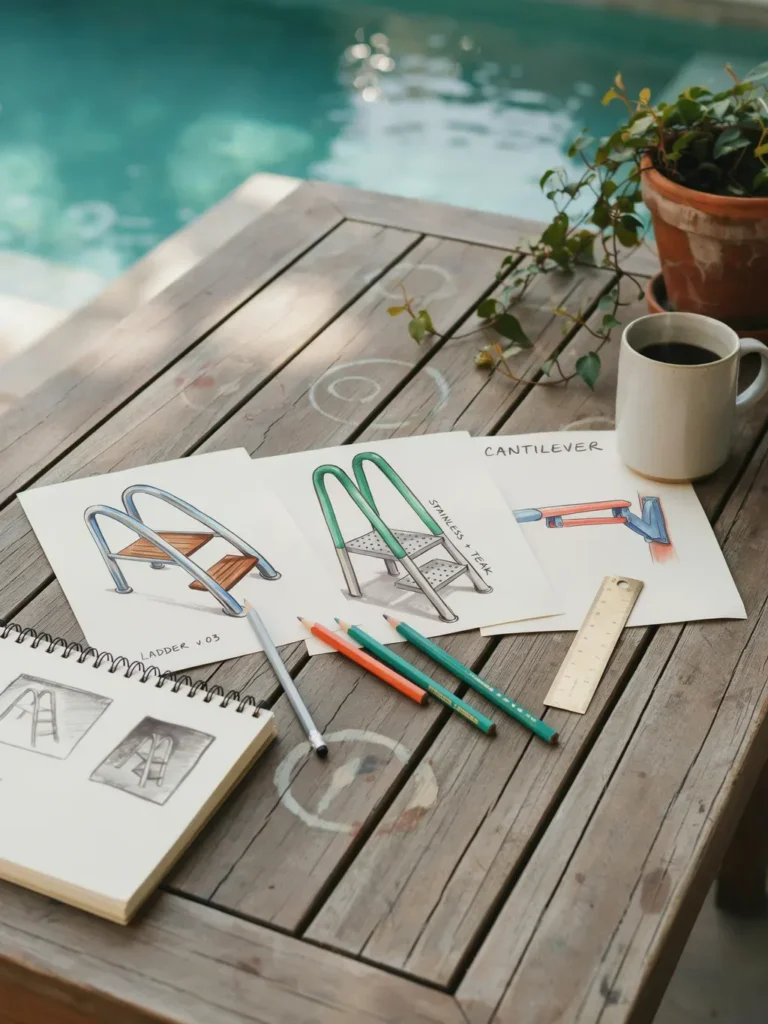
Some families paint ladders in bright, fun colors. Others prefer natural wood tones for a rustic feel. Adding rope handles gives extra grip during entry. Small design touches make a big visual difference.
4. Best Materials For Diy Pool Ladders
Strong diy pool ladders start with quality materials from day one. Schedule 40 PVC pipe works well for lightweight builds. Marine-grade wood resists water damage better than standard lumber. Stainless steel bolts prevent rust over time.
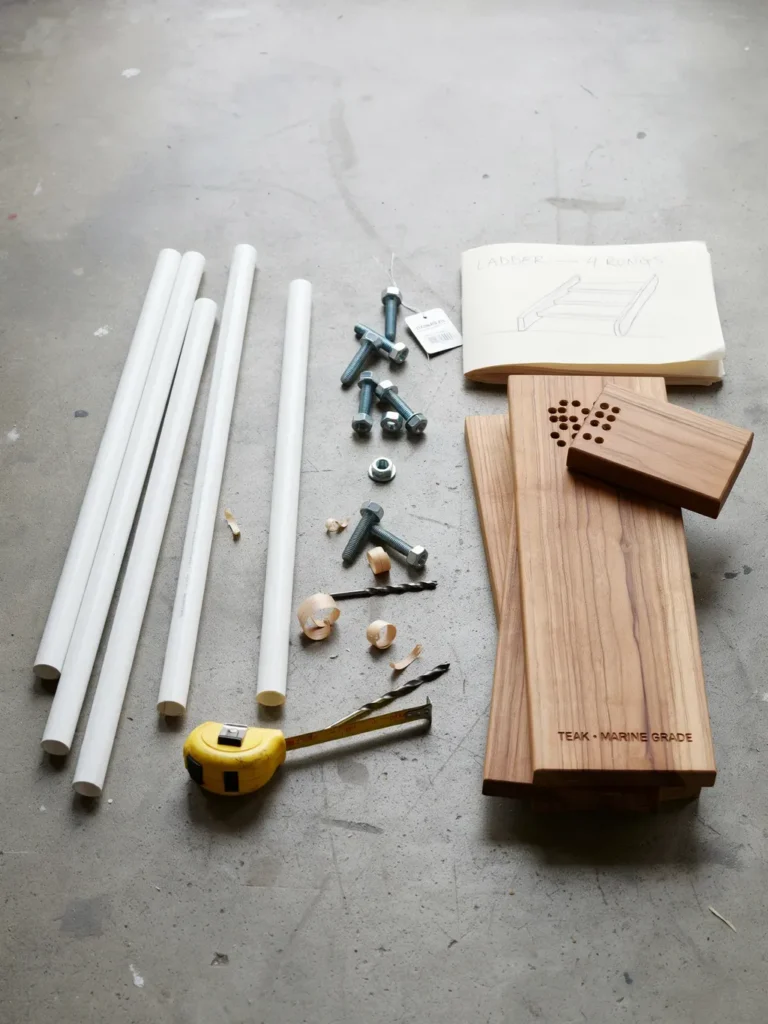
Avoid using thin plastic that bends under pressure. Always test material strength before final assembly. Sandpaper edges smooth to prevent splinters or scrapes. Quality materials extend your ladder’s overall lifespan.
5. Diy Pvc Pool Ladder Build Guide
Building a diy pvc pool ladder requires basic tools and patience. Start by cutting pipes to your measured height. Connect pieces using PVC cement and corner joints. Let cement cure fully before testing weight.
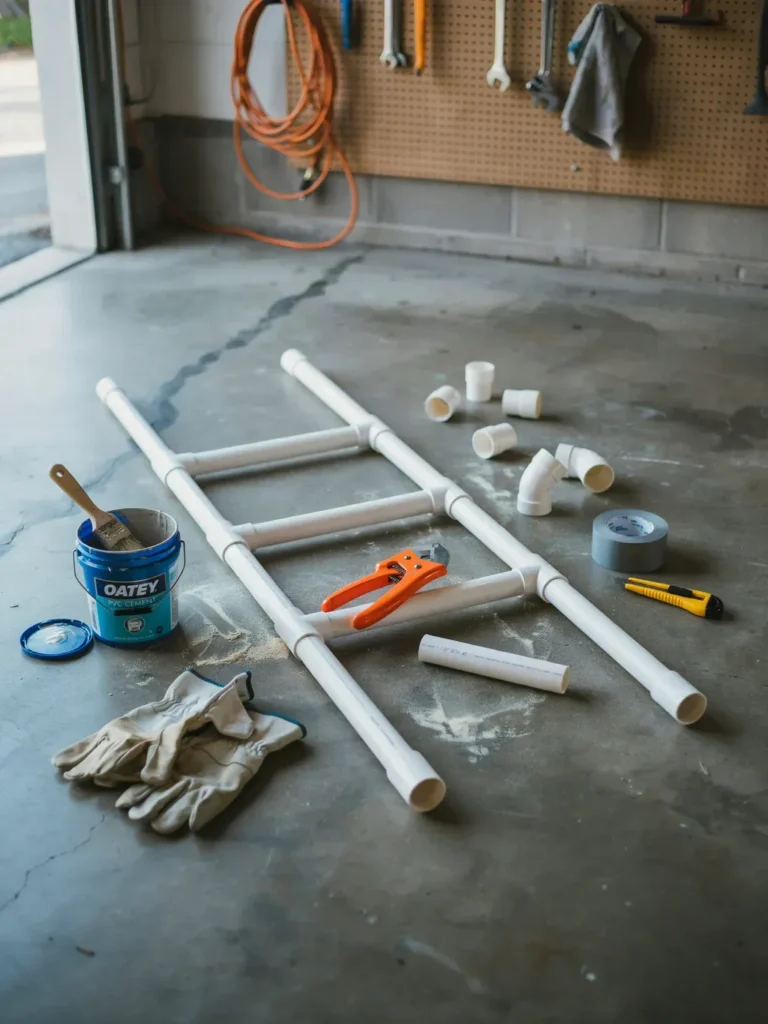
Add rubber caps to prevent sharp pipe edges. Sand any rough cuts for smoother handling. Test the ladder on flat ground first. Adjust angles slightly for comfortable, safe climbing.
6. Diy Pool Ladder Weights For Stability
Stability matters more than most builders realize at first. Diy pool ladder weights keep ladders from tipping sideways. Sandbags or filled water jugs work as cheap anchors. Attach weights near the base for best results.
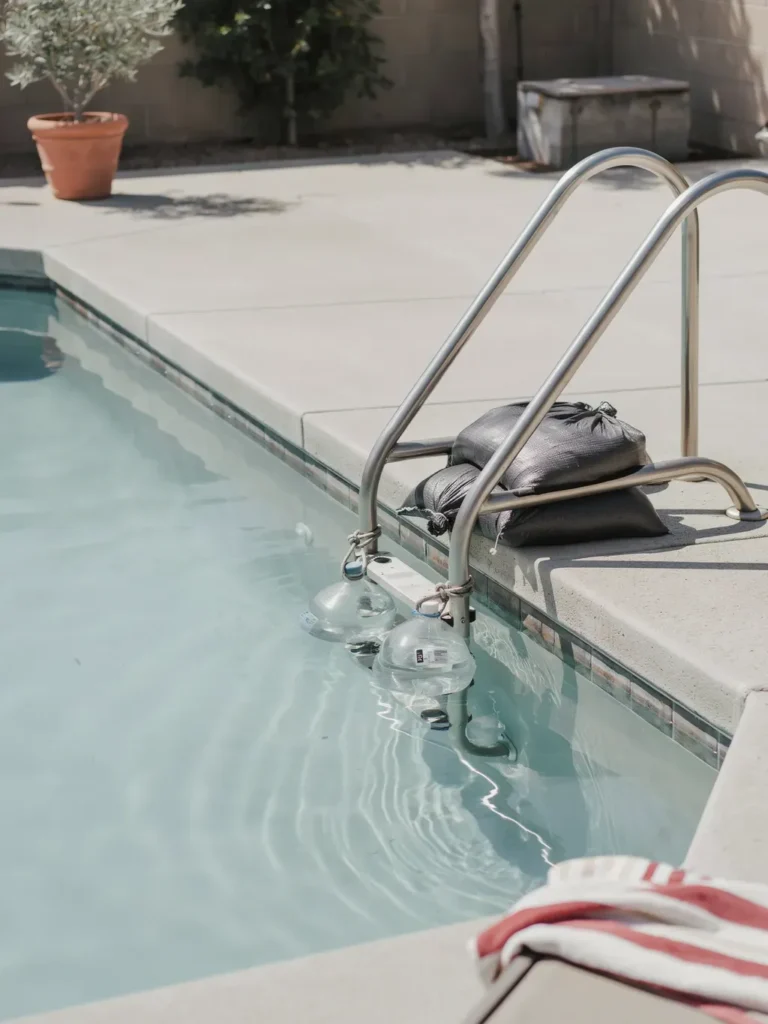
Some builders use concrete-filled buckets instead. These stay heavier and resist wind movement better. Always test stability before allowing full family use. Wobbly ladders create serious safety risks quickly.
7. Diy Pool Ladder Safety Tips
Diy pool ladder safety should guide every building decision you make. Add non-slip strips to each step surface. Check bolts and joints monthly for looseness. Replace worn parts before they cause accidents.
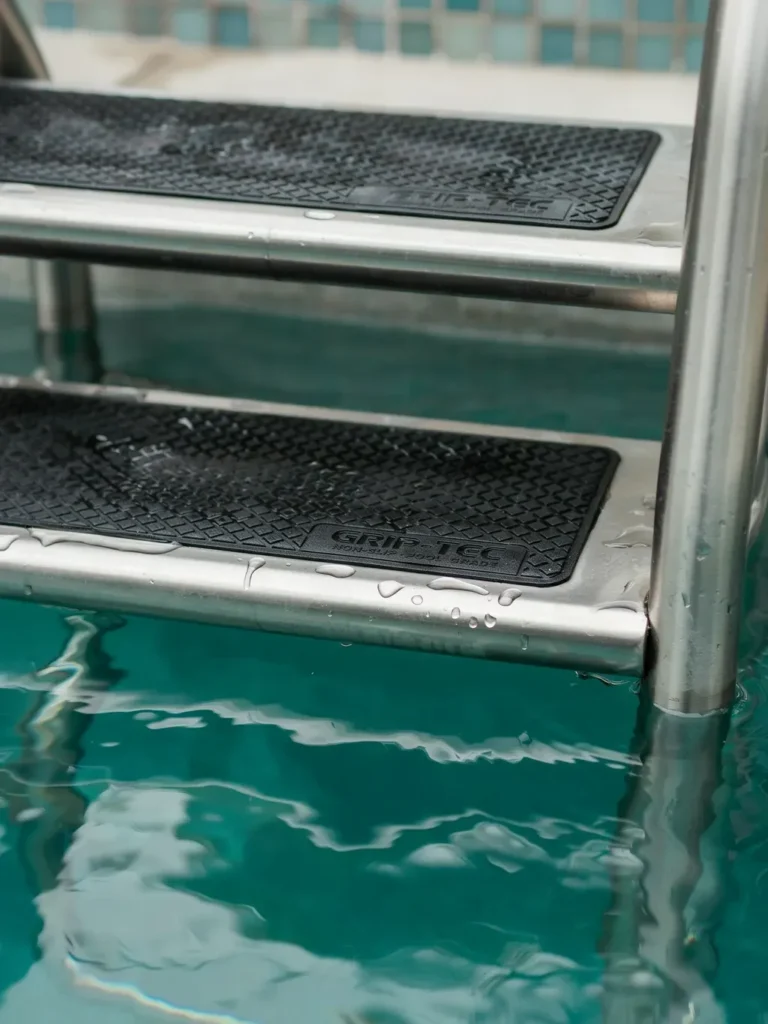
Keep ladders locked or removed when unsupervised children are nearby. Install handrails for extra grip during climbs. Teach kids proper ladder use early on. Safety habits prevent most common pool accidents.
8. Diy Pool Ladder Platform Additions
A diy pool ladder platform adds comfort during entry and exit. Platforms give swimmers a flat resting spot. Build platforms slightly wider than the ladder itself. Use waterproof wood or composite decking material.
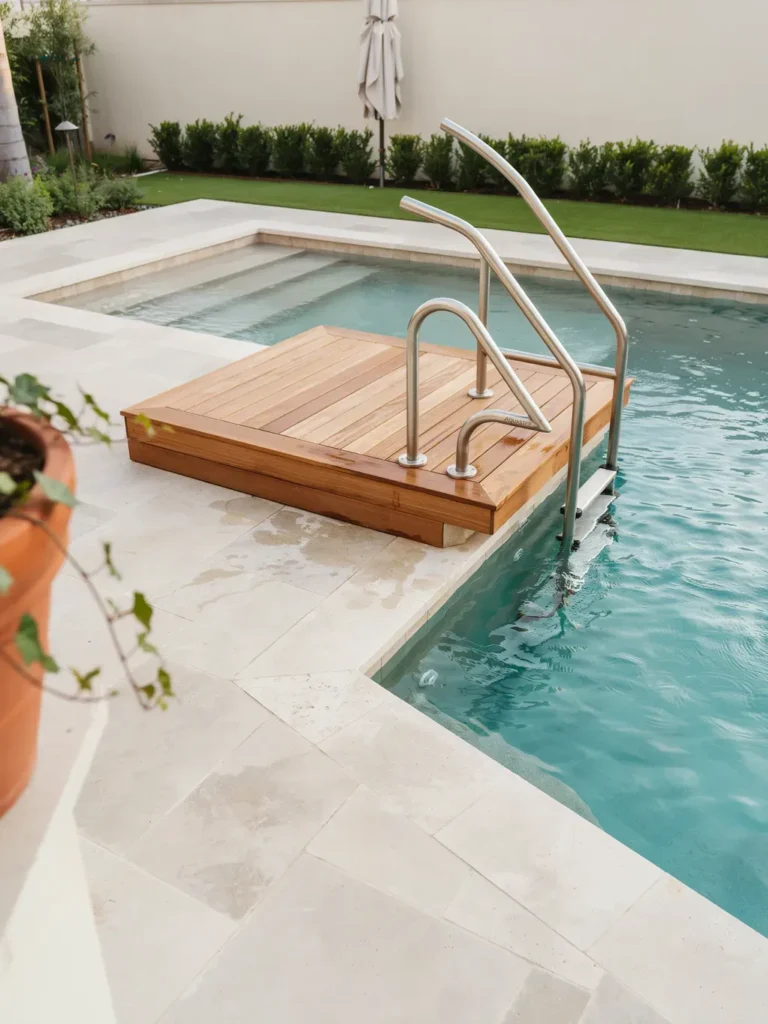
Platforms also help elderly swimmers feel more secure. Add railings around platform edges for grip. Secure platforms tightly to the pool wall. This addition improves both safety and convenience.
9. Diy Pool Ladder With Gate Options
A diy pool ladder with gate adds an extra safety barrier. Gates prevent toddlers from climbing unsupervised. Choose self-closing hinges for automatic protection. Lockable latches add another safety layer.
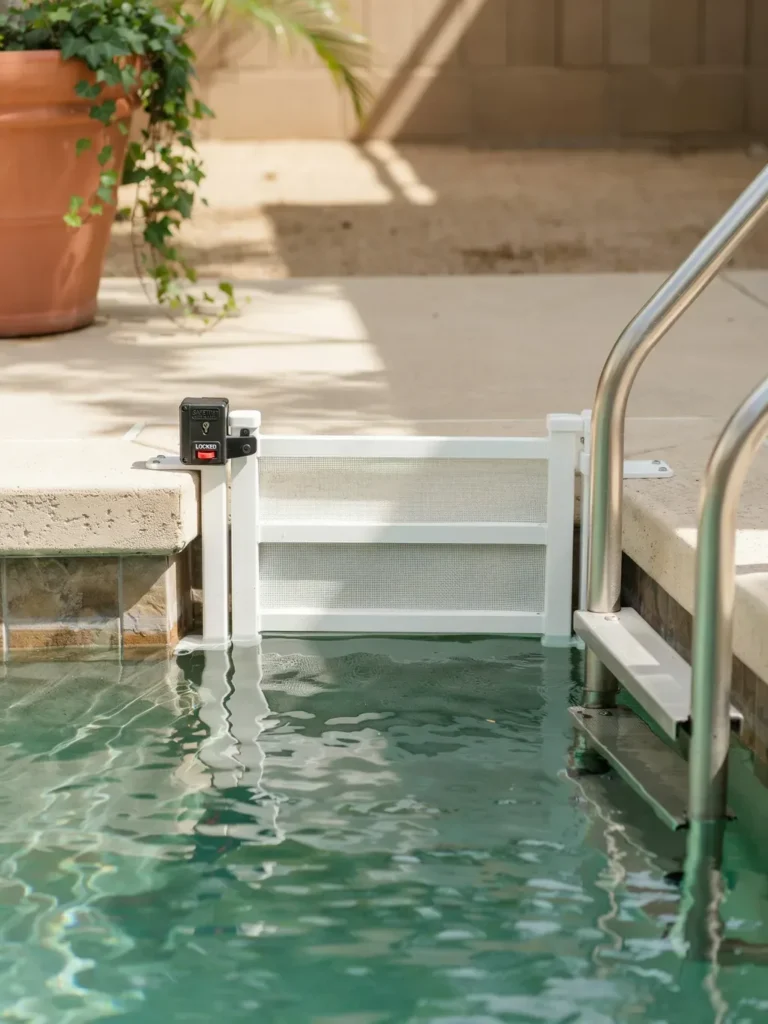
Gates work well paired with fenced pool areas. Install gates at the ladder’s base entrance. Check gate function regularly for smooth closing. This setup gives parents extra peace of mind.
10. Diy Pool Ladder Cover Choices
A diy pool ladder cover protects steps from sun and weather damage. Vinyl covers resist UV fading effectively. Fabric covers are lighter but wear out faster. Choose covers matching your climate conditions.

Covers also reduce slippery algae buildup on steps. Remove covers before each swimming session. Store covers dry to prevent mold growth. Proper care extends your ladder’s appearance and life.
11. Diy Pool Ladder Mat For Traction
Adding a diy pool ladder mat improves grip on wet steps. Rubber mats work best for outdoor durability. Cut mats to match each step’s exact size. Attach using waterproof adhesive or straps.
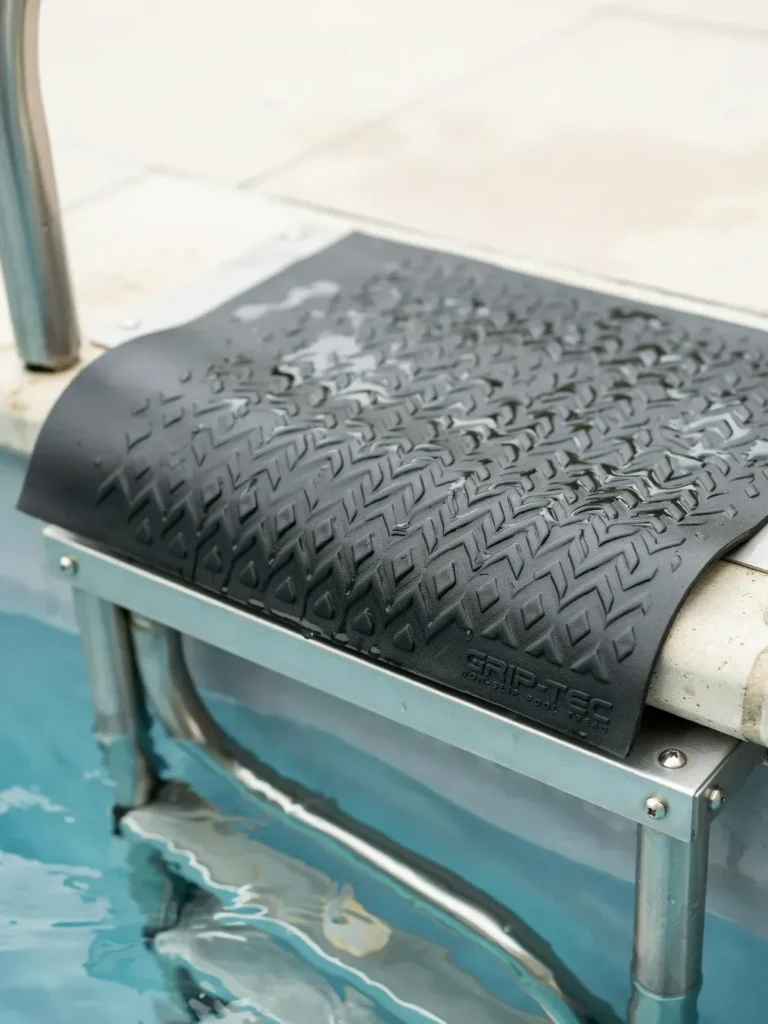
Mats reduce slipping accidents significantly during pool use. Replace mats once they crack or peel. Check mat edges for tripping hazards regularly. This small upgrade boosts everyday safety.
12. Diy Pool Ladders For Above Ground Pools Comparison
Many diy pool ladders for above ground pools vary in design and cost. Compare A-frame styles against wall-mounted versions. A-frames offer stability without wall attachment. Wall-mounted styles save backyard space instead.
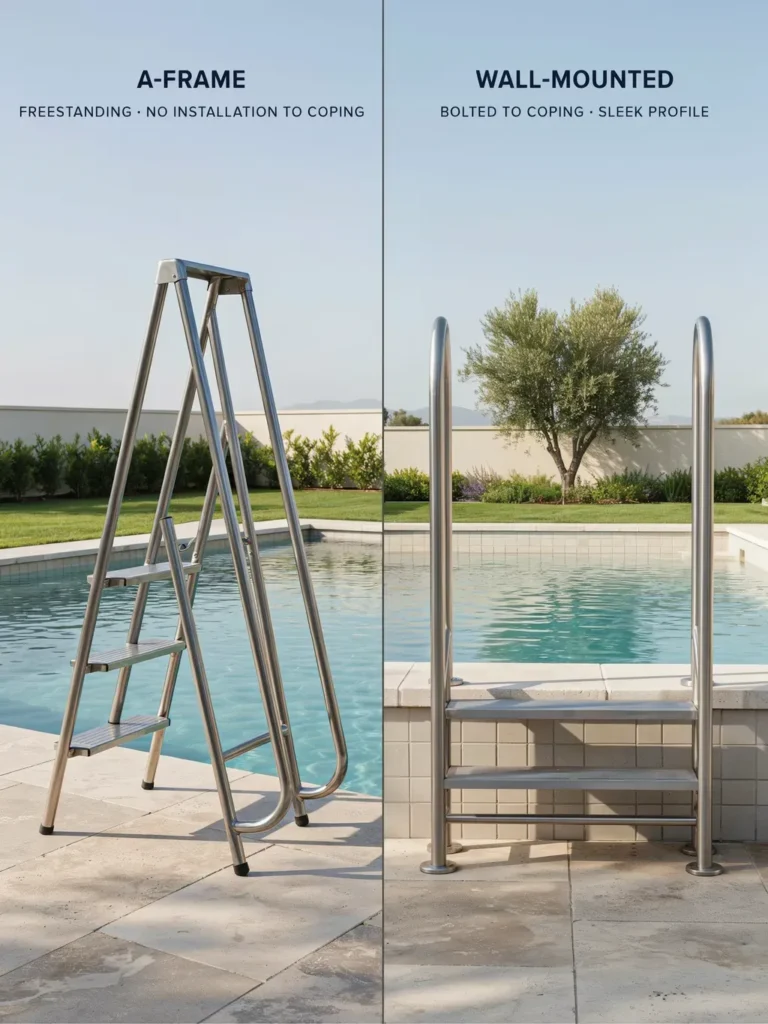
Consider your pool’s height and wall strength first. Some designs suit permanent pools better. Others work great for seasonal, removable setups. Choose based on long-term backyard plans.
13. Intex Pool Ladder With Platform Alternatives
An intex pool ladder with platform inspires many diy building projects. Intex pools often need lightweight, portable ladder designs. Builders replicate platform features using budget materials. This keeps costs lower than branded kits.
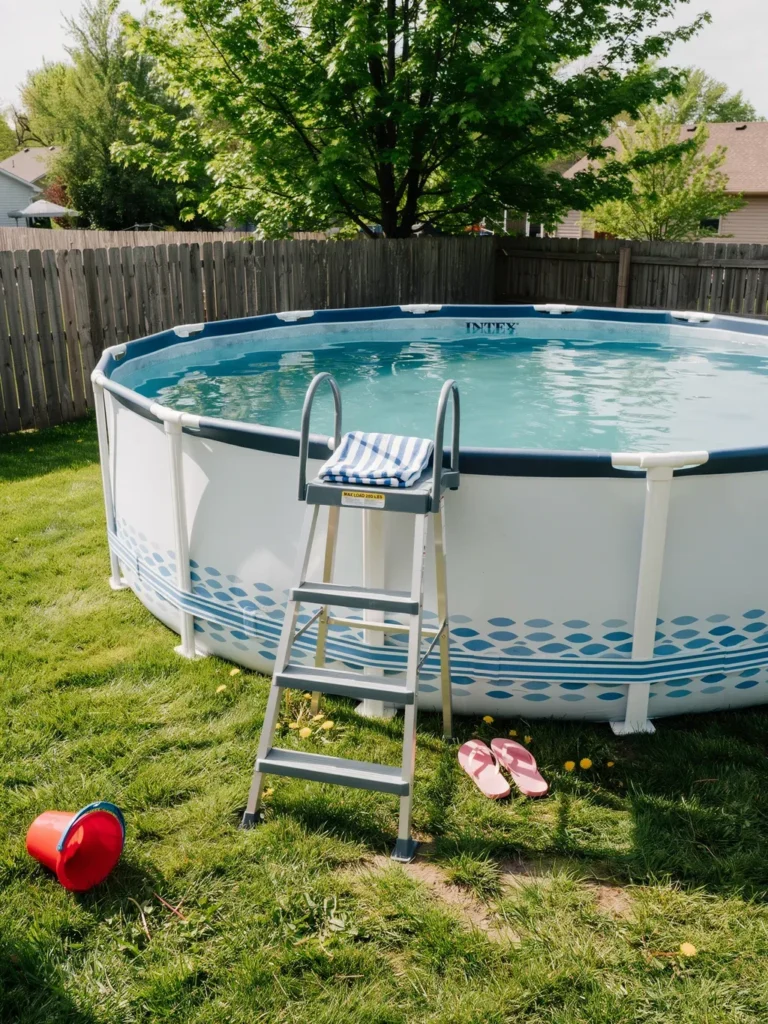
Intex pools benefit from ladders with wider bases. Wider bases prevent tipping on soft ground. Match your build to your specific intex pools model. Always check manufacturer height guidelines first.
14. Diy Pool Ladder For Dogs
A diy pool ladder for dogs helps pets enter and exit safely. Dogs need wider, non-slip steps for paws. Ramps sometimes work better than traditional steps. Keep angles gentle for older or smaller dogs.
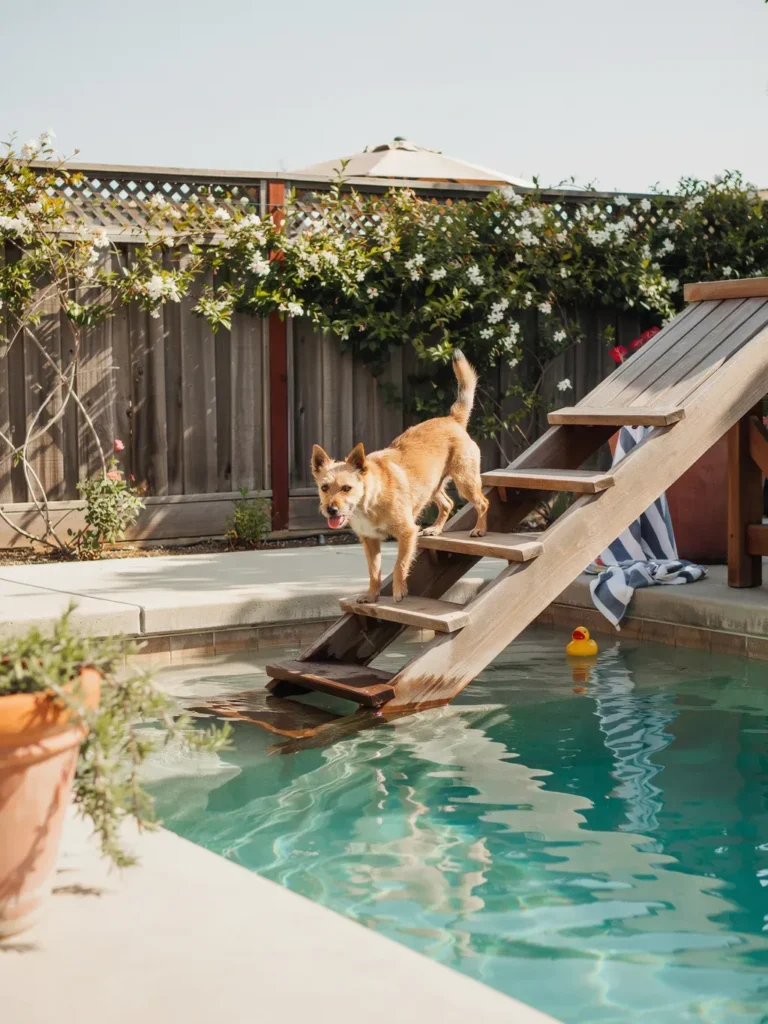
Train pets slowly using treats and encouragement. Never force dogs onto unfamiliar ladders quickly. Supervise early pool sessions closely for safety. This addition keeps furry family members included.
15. Pool Steps Vs Pvc Ladder Options
Choosing between pool steps and a pvc ladder depends on space and budget. Pool steps offer wider, easier entry points. A pvc ladder saves space in smaller yards. Both options suit different family needs.
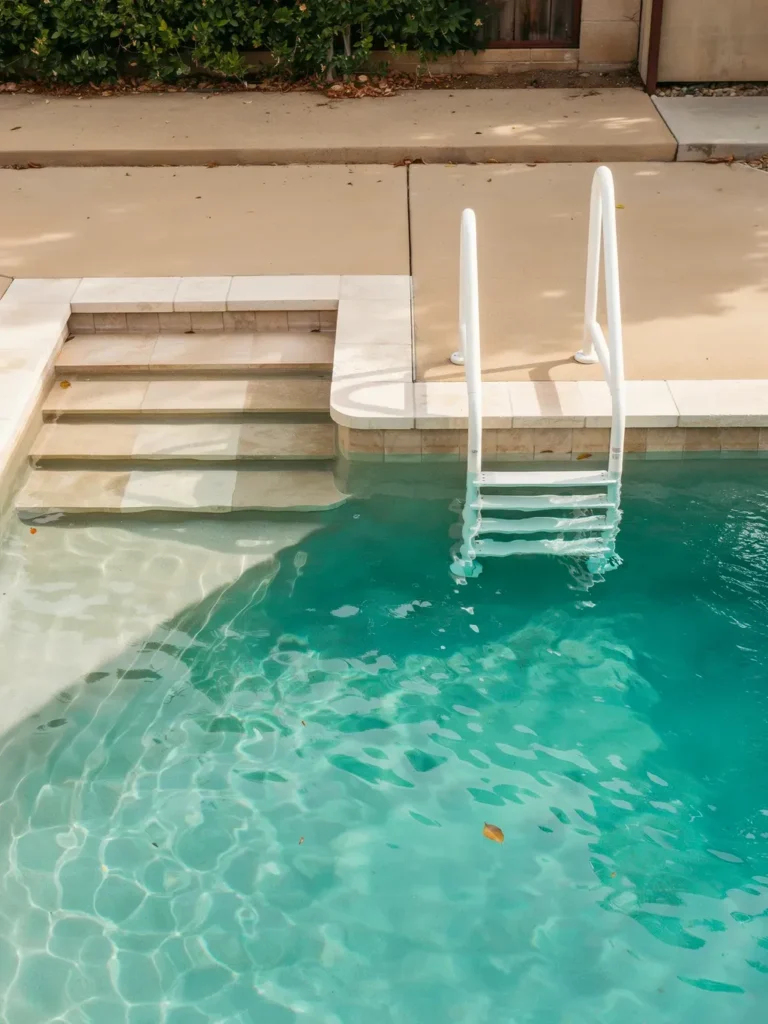
Steps work better for young children and pets. Ladders suit adults wanting compact storage options. Weigh comfort against available backyard space. Either choice can be built affordably at home.
Conclusion
Building your own pool ladder brings both savings and satisfaction. From platforms to gates, every detail improves safety and comfort. Choose materials that suit your climate and family size. Small upgrades like mats and covers add lasting value.
Whether you need options for kids, dogs, or elderly swimmers, there’s a design for everyone. Take your time measuring, building, and testing each ladder. A well-built ladder keeps your summer swims safe and enjoyable for years to come.