
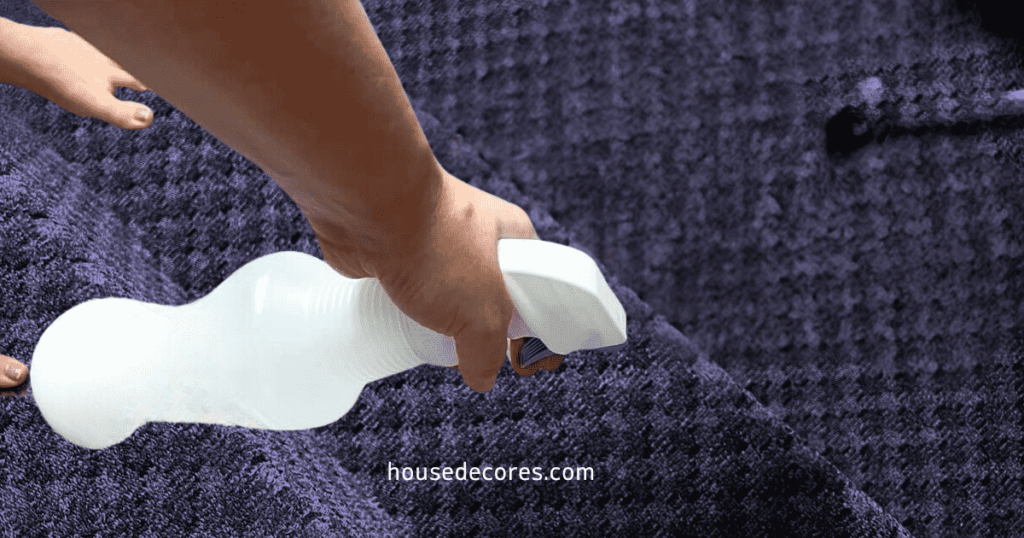
Introduction:
Contents
Carpeted stairs add warmth and comfort to the home, but they also tend to accumulate dirt, dust, and stains over time. Cleaning stairs and carpets by hand might seem like a daunting task, especially without the aid of a machine. We restore carpeted stairs to their former glory with the right techniques and a little elbow grease. In this guide, we are going to describe the best way to clean a stair carpet by hand.
Step-by-step guide of carpeted stairs cleaning by hand
1. Preparing for the cleaning process
Before starting, gather your supplies in one place — stopping mid-clean to search for a missing item is one of the easiest ways to lose momentum on a task that already takes real effort. You’ll need:
- A vacuum cleaner with attachments — specifically a crevice tool and upholstery brush, since standard floor attachments don’t reach into stair corners well
- A stiff-bristled brush — for working cleaning solution into carpet fibers without damaging them
- A bucket (or two — one for cleaning solution, one for clean rinse water)
- Mild detergent or a carpet-specific cleaner
- White vinegar — a natural, inexpensive option for both stain treatment and odor control
- Clean cloths or old towels — for blotting stains and absorbing excess moisture
- Warm water
- Baking soda (optional, but useful for odor and some stain types – see the stain guide below)
It’s also worth testing any cleaning solution on a small, hidden section of carpet first – the underside of the bottom step or a spot usually covered by a runner rug is ideal — and waiting a few minutes to check for discoloration before applying it broadly.
2. Removing loose debris
Start by vacuuming the stairs thoroughly using the crevice and upholstery attachments rather than a standard floor head, which won’t get into the tight angle where the tread meets the riser. Work top to bottom, since loosened dirt and dust naturally fall downward as you go — vacuuming bottom to top means re-vacuuming debris that’s already settled onto lower steps. Pay particular attention to the back corners of each step and the edges along the wall, where dirt and pet hair accumulate most heavily and where a rushed vacuuming pass tends to miss.
For carpet with a deeper pile or a lot of embedded debris, going over each step twice – once in each direction – loosens more trapped dirt than a single pass, since fibers naturally resist releasing debris that’s settled against the direction of the nap.
Our recommendations:
Best Cleaning Hacks for Bathroom Tiles
3. Know Your Stain: Treatment by Type
Not every stain responds to the same treatment, and using the wrong approach can sometimes set a stain rather than lift it. Here’s how to treat the most common types found on carpeted stairs:
Mud and dirt (tracked-in outdoor debris): Let it dry completely first rather than scrubbing while wet — wet mud smears and pushes deeper into fibers, while dried mud can often be vacuumed or brushed away before any liquid treatment is needed. Once the bulk is removed, treat any remaining discoloration with mild detergent and warm water.
Pet stains and odors: Blot (don’t rub) excess moisture first with a clean cloth, then treat with a mixture of white vinegar and water in equal parts, which helps neutralize odor-causing bacteria as well as lift the stain itself. For lingering odor after the stain is treated, sprinkling baking soda over the dried area, letting it sit for a few hours, then vacuuming it up can help absorb residual smell.
Food and drink spills (coffee, wine, juice): Blot immediately rather than scrubbing, working from the outer edge of the stain inward to avoid spreading it further. A mild detergent solution works for most food-based stains; for wine specifically, a small amount of hydrogen peroxide mixed with dish soap (tested on a hidden area first) is a common approach for stains that detergent alone doesn’t fully lift.
Grease or oily stains: Sprinkle baking soda or cornstarch directly onto the stain and let it sit for 15-20 minutes to absorb the oil before vacuuming it up, then follow with a mild detergent treatment for any remaining residue — using water alone on a grease stain tends to just spread the oil rather than lift it.
General rule for all stains: Always blot rather than rub, and always work from the outside of the stain toward the center — rubbing or working inward to outward tends to spread the stain over a larger area rather than containing and lifting it.

4. Scrubbing the carpet
Once stains are pre-treated, scrub the full carpeted surface of each step to address overall dirt and grime, not just visible spots. Fill a bucket with warm water and a carpet cleaning solution, dip a stiff-bristled brush into it, and scrub in a circular motion — this loosens embedded dirt more effectively than back-and-forth strokes, since the circular motion works into the fiber from multiple directions.
Work from the top of the stairs downward, and avoid oversaturating the carpet — a common mistake is using too much liquid, which not only takes longer to dry (a real concern on stairs, covered below) but can also push dirt and cleaning solution down into the carpet padding rather than lifting it out. A damp, well-wrung brush does more effective work than a dripping one.
Carpet Type Matters: Wool vs. Synthetic
The cleaning approach above works well for most carpets, but fiber type affects a few important details:
Wool carpet: More sensitive to heat, harsh chemicals, and excess moisture than synthetic fiber. Stick to cool or lukewarm water (never hot), use a gentle, wool-safe detergent rather than a generic carpet cleaner, and be especially careful not to oversaturate — wool absorbs and holds moisture longer than synthetic fiber, extending drying time and increasing the risk of the issues covered in the drying section below.
Synthetic carpet (nylon, polyester, olefin): Generally more forgiving of stronger cleaning solutions and more moisture than wool, and typically more stain-resistant to begin with due to factory treatments. Nylon in particular holds up well to the vinegar-and-water and detergent methods described above without special precautions.
When in doubt: If you’re not sure what fiber your stair carpet is made from, treat it as though it were wool – using gentler products and less moisture is a safe default that won’t damage synthetic fiber, whereas the reverse (treating wool like synthetic) can cause real damage.
5. Rinsing and drying
After scrubbing, rinse away all remaining detergent or cleaner — leftover soap residue actually attracts more dirt over time, since it stays slightly tacky and traps new debris more easily than clean carpet does. Use a clean bucket of plain warm water and a clean cloth (not the one used for scrubbing) to wipe down each step, rinsing and wringing the cloth frequently so you’re not just redistributing dirty water.
A stairs-specific drying note: Carpeted stairs are more prone to lingering dampness than a flat carpeted floor, since airflow around a stairwell is often more limited and the vertical riser sections don’t dry as quickly as horizontal treads. Leaving carpet damp for an extended period risks mold or mildew developing in the padding underneath — a problem that’s much harder to address than the original dirt ever was. Open windows or run a fan to improve airflow while drying, and avoid walking on the stairs (or at least avoid it in socks or bare feet) until they’re fully dry, which can take several hours depending on humidity and how much moisture was used during cleaning.
6. Maintaining carpeted stairs
A consistent light-maintenance routine does more to keep carpeted stairs looking good long-term than periodic deep cleaning alone. Vacuum at least once a week, focusing on the edges and corners that accumulate dirt fastest, and treat any spill or stain as soon as it happens rather than letting it set — the longer a stain sits, especially food or pet-related ones, the more likely it is to require a stronger treatment or leave permanent discoloration.
Tools and Supplies Checklist
A quick reference for what to have on hand before starting a full cleaning session:
Rubber gloves (optional, for comfort during scrubbing)
Vacuum with crevice and upholstery attachments
Stiff-bristled brush
Two buckets (cleaning solution + clean rinse water)
Mild detergent or carpet-specific cleaner
White vinegar
Baking soda (for odor and grease stains)
Clean cloths or towels (multiple — dedicate different ones for scrubbing vs. rinsing)
Warm water
Fan (for drying)
When to Call a Professional Carpet Cleaner
Hand cleaning handles most routine maintenance well, but a few situations are worth bringing in a professional instead:
A large area or full staircase you simply don’t have time for, since professional steam cleaning is faster and typically extracts more embedded dirt than hand cleaning can, even when hand cleaning is done correctly.
Deep-set or old stains that don’t respond to the treatments above after two attempts, since repeated scrubbing on the same spot risks damaging the carpet fibers without actually improving the result.
Persistent odor that returns even after thorough cleaning and drying, which can indicate the issue has reached the carpet padding or subfloor — something hand cleaning generally can’t fully address.
Carpet that’s been wet for an extended period (a leak, flooding, or a missed spill that sat for days), since this significantly raises the risk of mold in the padding, which professional equipment and, in some cases, padding replacement can address more thoroughly than surface cleaning.
Wool or delicate specialty carpet where you’re not confident about safe cleaning products, given how much more sensitive wool is to heat, chemicals, and moisture compared to synthetic fiber.
Beyond weekly vacuuming, a full deep clean using the steps above every few months keeps embedded dirt and allergens from building up in the padding over time, where regular vacuuming alone can’t reach. High-traffic households — larger families, homes with pets, or stairs used as a main thoroughfare — may benefit from deep cleaning slightly more often, closer to every 6-8 weeks rather than every few months.
Conclusion:
Cleaning carpeted stairs by hand may require some effort, but the results are well worth it. By following these steps — proper stain identification, careful scrubbing, and thorough drying — you can keep stairs looking beautiful and inviting for years to come, without needing to invest in professional equipment for routine maintenance.
If dust and debris are a recurring issue beyond the stairs themselves, our guide on cleaning construction dust covers techniques for a deeper household clean. For other tile and hard-surface areas of the home, check out our Best Cleaning Hacks for Bathroom Tiles guide, or browse our full Cleaning & Organization category for more room-by-room maintenance tips.
Faqs:
How do you manually clean the stair carpet?
Manually cleaning a stair carpet involves a few simple steps. Start by vacuuming the stairs thoroughly to remove loose dirt and debris. Treat any stains with a mixture of mild detergent and water or a solution of white vinegar and water. Scrub the carpeted surface with a stiff-bristled brush or scrubbing brush, using a circular motion. Rinse the stairs with plain water to remove any remaining cleaner, and allow them to air dry completely.
What is the best way to clean a carpet by hand?
The best way to clean a carpet by hand is to start by vacuuming thoroughly to remove surface dirt and debris. Treat stains with a mild detergent or carpet cleaner, following the manufacturer’s instructions. Scrub the carpet in a circular motion with a brush or sponge, working from the outer edges towards the center. Rinse the carpet with plain water and allow it to air dry completely.
What is the best tool to clean carpeted stairs?
The best tool to clean carpeted stairs is a stiff-bristled brush or scrubbing brush. These brushes are effective at loosening dirt and debris from the carpet fibers and are small enough to maneuver on the stairs. Additionally, a vacuum cleaner with attachments can be useful for removing loose dirt and debris from the stairs before cleaning.
How do you make homemade stair cleaners?
To make a homemade stair cleaner, you can mix equal parts of white vinegar and water in a spray bottle. Alternatively, you can mix a small amount of mild detergent with warm water in a bucket. Both solutions can be used to treat stains and clean carpeted stairs effectively. Remember to test the cleaner on a small, inconspicuous area of the carpet first to ensure compatibility.