
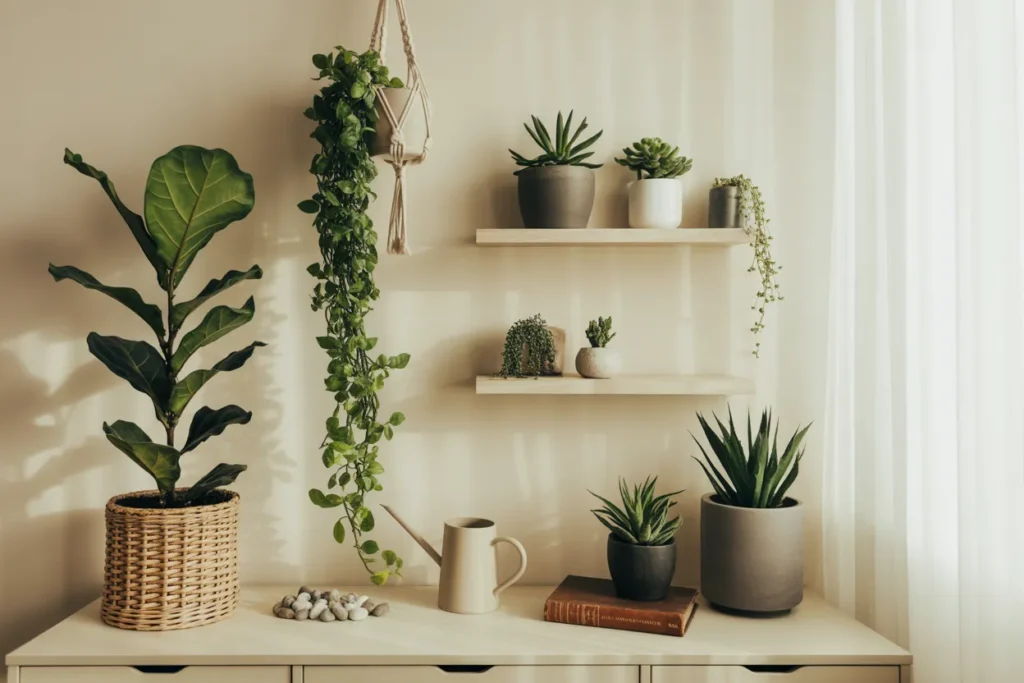
Indoor plant styling in 2026 is no longer just about greenery—it’s about structure, silhouette, and statement. Think sculptural leaves, bold vessels, and intentional placement that feels like art rather than decoration. The focus has shifted toward architectural plants paired with curated containers that elevate the entire room aesthetic.
Whether you’re designing a minimalist corner or a layered, designer-inspired space, these ideas will help you style indoor plants in a way that feels modern, expensive, and Pinterest-worthy. Let’s break down the most striking plant styling trends you can actually recreate.
1. Statement Fiddle Leaf Fig in Oversized Matte Vessel
Contents
- 1 1. Statement Fiddle Leaf Fig in Oversized Matte Vessel
- 2 2. Clustered Terracotta Pots with Varied Heights
- 3 3. Sculptural Monstera in a Stone Planter
- 4 4. Hanging Planters with Trailing Greenery
- 5 5. Black Planters for High-Contrast Styling
- 6 6. Glass Vessels for Water Propagation Displays
- 7 7. Elevated Plant Stands with Mixed Materials
- 8 8. Minimalist Single Stem in Sculptural Vase
- 9 9. Indoor Tree in Woven Basket for Soft Contrast
- 10 10. Shelf Styling with Mini Plant Vignettes
- 11 Final Thoughts
A tall fiddle leaf fig instantly creates vertical drama, especially when paired with an oversized matte ceramic planter. In 2026, the trend leans toward neutral tones like chalk white, sand, and soft greige for a gallery-like aesthetic. Position it near natural light to highlight the bold leaf structure and shadows.
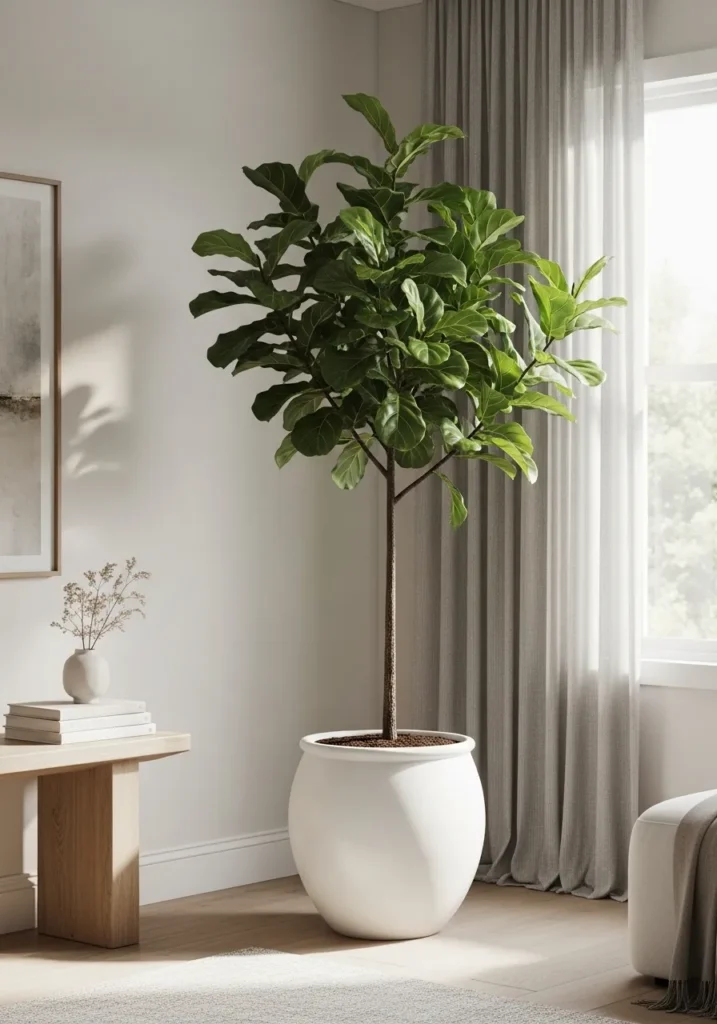
To elevate the look, avoid clutter around the base and let the plant stand alone as a sculptural piece. Add subtle texture through a linen curtain or boucle chair nearby to create balance without distraction.
2. Clustered Terracotta Pots with Varied Heights
Grouping smaller plants in terracotta pots creates a grounded, earthy composition that feels organic yet curated. Use plants with different heights and leaf shapes—like snake plants, pothos, and small palms—to create visual rhythm and depth.
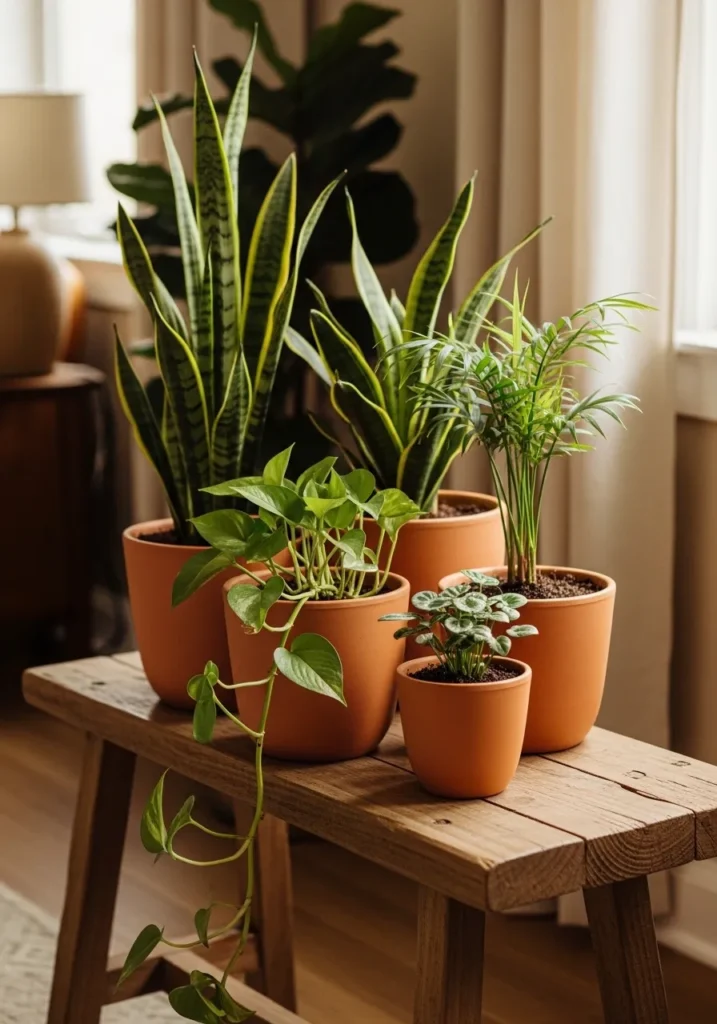
Arrange them asymmetrically on the floor or a low wooden bench to maintain a relaxed but intentional look. The warm tones of terracotta contrast beautifully with greenery, making the setup feel both rustic and modern.
3. Sculptural Monstera in a Stone Planter
The monstera remains a favorite, but in 2026 it’s styled with heavier, stone-like planters for a more architectural feel. Choose a raw concrete or textured stone vessel to complement the bold split leaves and give the setup a grounded presence.
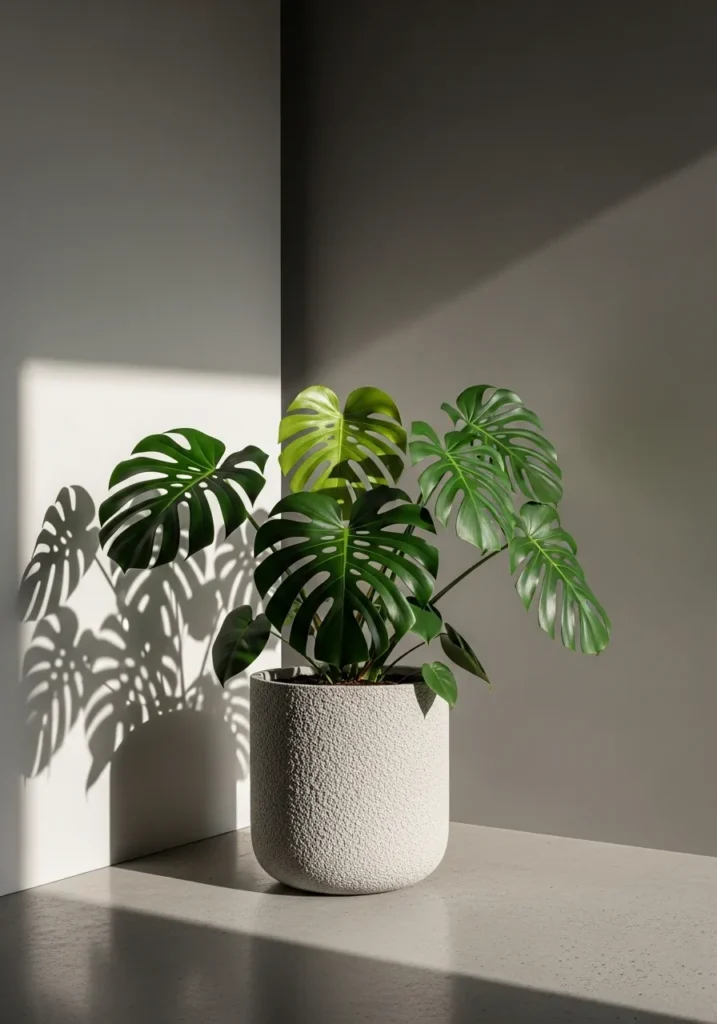
Place it in a corner with soft shadows to emphasize its dramatic leaf shapes. Pair it with minimal furniture to let the plant act as a natural focal point.
4. Hanging Planters with Trailing Greenery
Trailing plants like pothos or string of pearls are being styled in elevated hanging planters to add vertical softness. Use ceramic or glass hanging vessels with clean lines to keep the look modern and uncluttered.
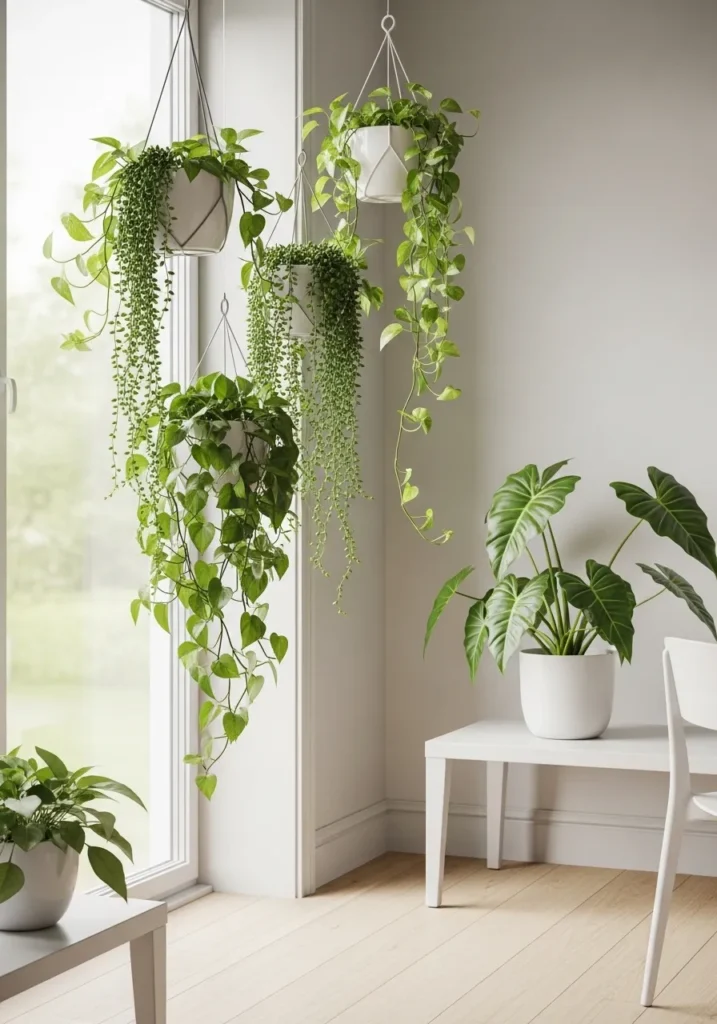
Hang them at varying heights near a window to create a layered, airy composition. This approach works especially well in smaller spaces where floor space is limited.
5. Black Planters for High-Contrast Styling
Black planters are trending for their ability to create bold contrast against green foliage. Pair them with plants like rubber trees or ZZ plants for a sleek, modern look that feels both dramatic and refined.
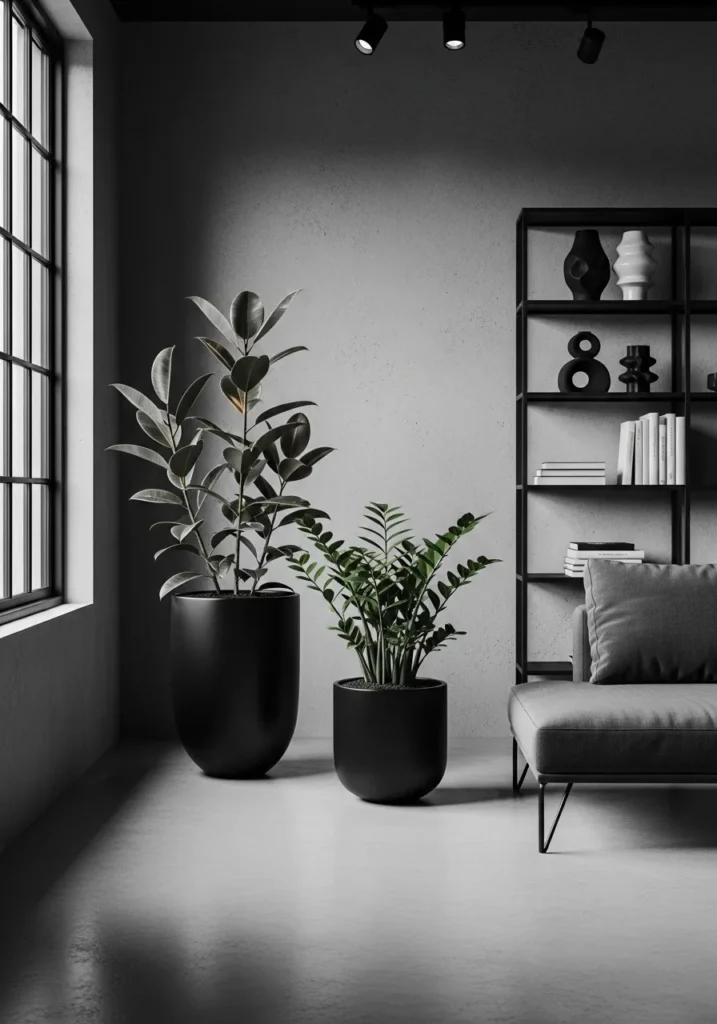
Use matte or slightly textured finishes to avoid harsh reflections and maintain a sophisticated tone. This styling works especially well in monochrome or industrial interiors.
6. Glass Vessels for Water Propagation Displays
Water propagation is being turned into decor by using clear glass vessels that showcase roots as part of the design. This adds a scientific, almost artistic element to plant styling while keeping things light and transparent.
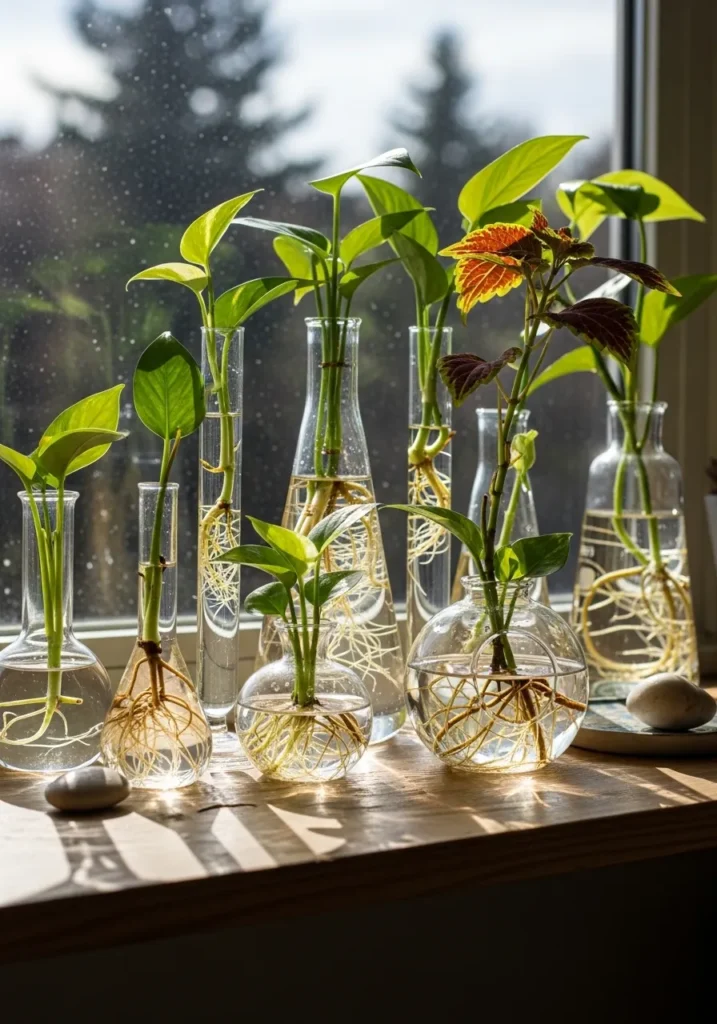
Place these vessels on open shelves or window sills to catch natural light and highlight the delicate root systems. Keep the arrangement minimal to maintain clarity and focus.
7. Elevated Plant Stands with Mixed Materials
Plant stands are no longer basic—they now combine wood, metal, and stone to create layered visual interest. Elevating plants adds dimension and helps break up flat surfaces in a room.
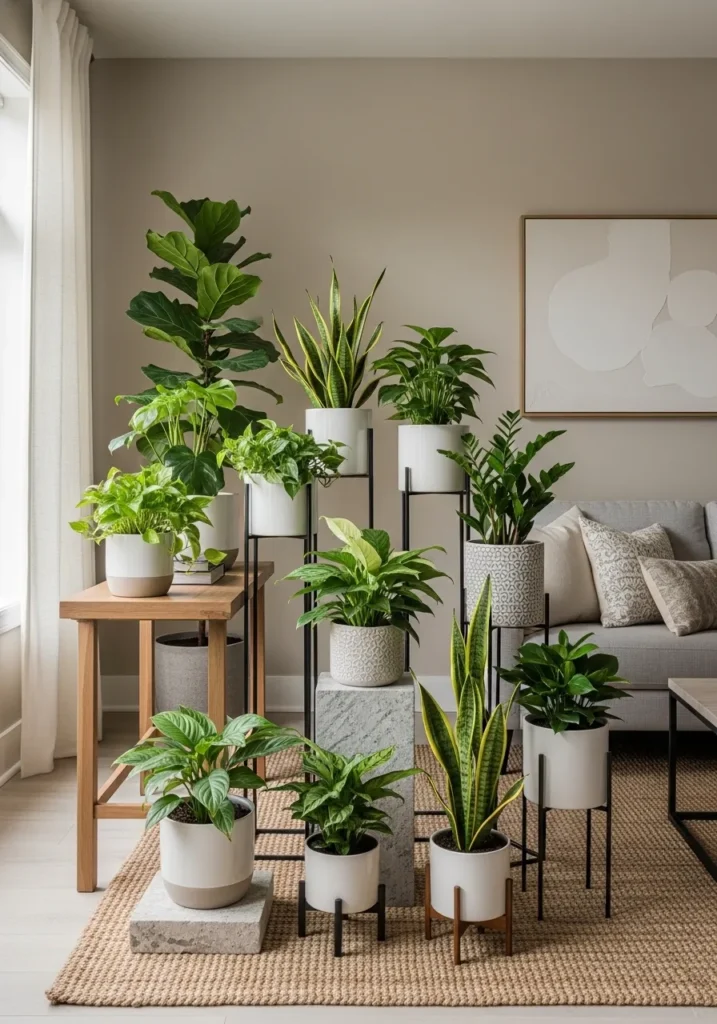
Use a mix of heights and materials to create a curated vignette rather than a uniform display. This approach works well in living rooms and entryways where styling matters most.
8. Minimalist Single Stem in Sculptural Vase
Sometimes less is more—using a single plant stem in a sculptural vase creates a quiet yet impactful statement. Think of it as botanical art rather than traditional plant decor.
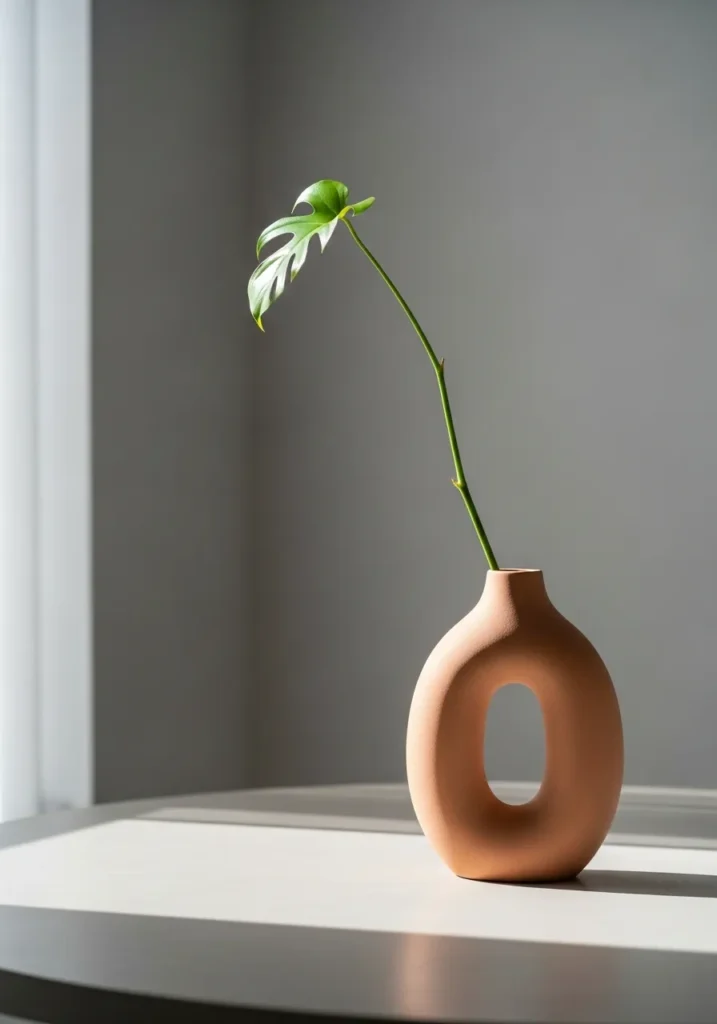
Choose vases with unique shapes or textures to enhance the visual appeal. This idea works beautifully on coffee tables, consoles, or bedside surfaces.
9. Indoor Tree in Woven Basket for Soft Contrast
For a softer, more relaxed look, style indoor trees in woven baskets instead of rigid planters. The natural texture adds warmth and balances the structured form of architectural plants.
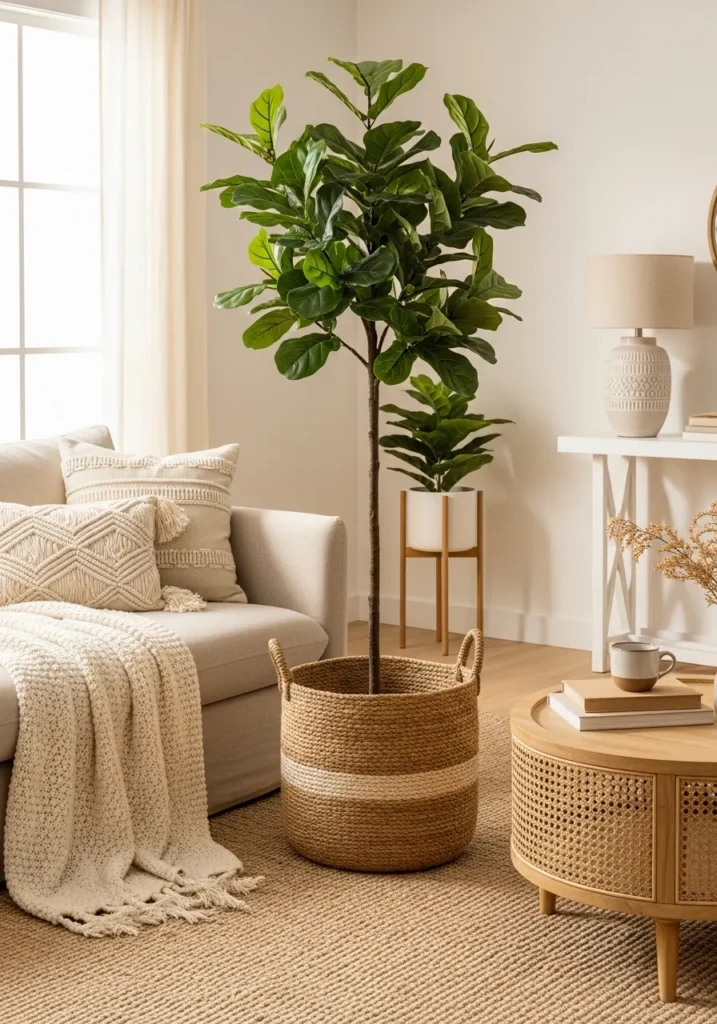
This combination works especially well in boho or transitional interiors. Place it near a cozy seating area to create a welcoming, lived-in feel.
10. Shelf Styling with Mini Plant Vignettes
Shelves are being styled with mini plant arrangements combined with books and decor objects. The key is to keep it balanced—avoid overcrowding and focus on clean spacing.
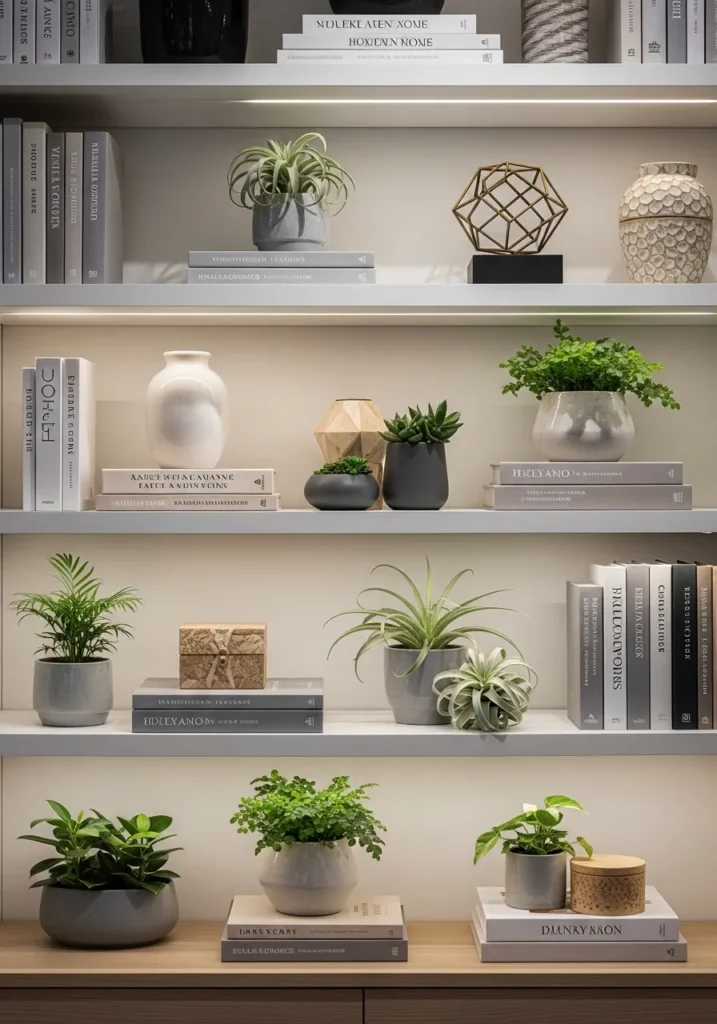
Use small planters in complementary tones to create cohesion across the shelf. This approach adds life without overwhelming the space.
Final Thoughts
Indoor plant styling in 2026 is all about intention—every plant, pot, and placement should feel curated rather than accidental. By combining architectural greenery with thoughtfully chosen vessels, you can transform even the simplest space into a designer-level interior.
Start with one idea, build around it, and let your plants become living art.