
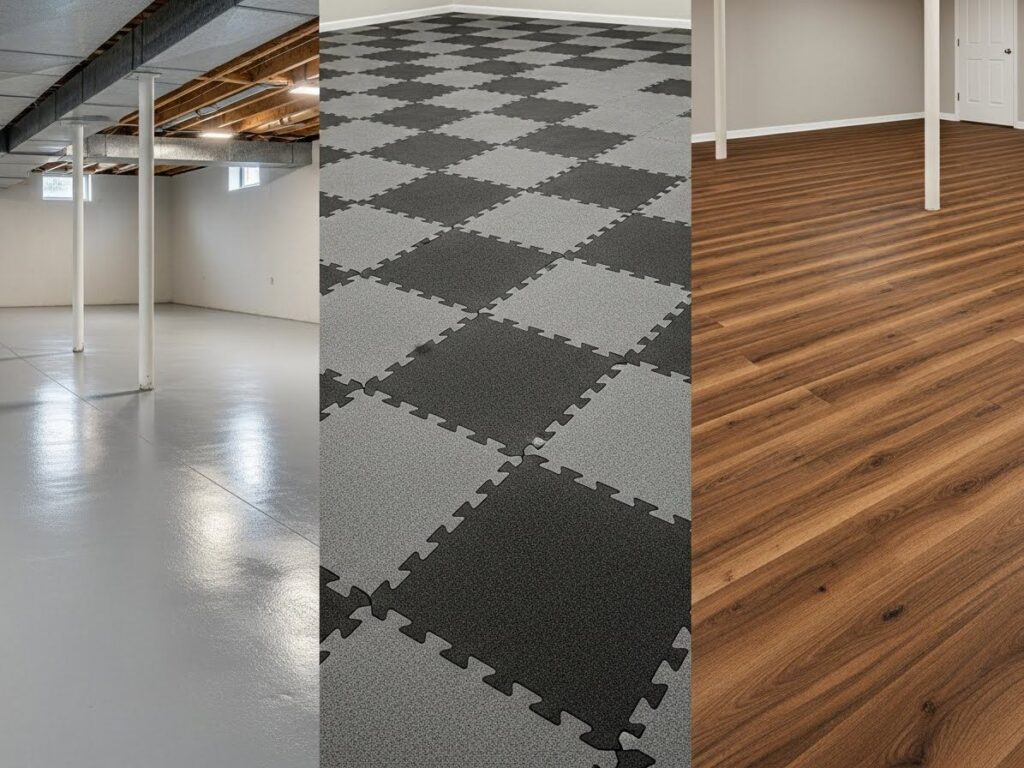
Choosing the right flooring options for basements is essential for creating a space that is comfortable, durable, and resistant to moisture. Since basements sit below grade, issues like humidity, groundwater pressure, and cold basement concrete can pose challenges for homeowners. Whether you’re renovating a living area, home gym, media room, or a basement bedroom, selecting the proper materials ensures your finished basement remains warm, dry, and long-lasting. This guide provides expert insights into the ten best flooring materials for moisture-prone spaces, along with practical advice on subfloors, vapor barriers, installation tips, and moisture protection strategies.
Why Basements Need Specialized Flooring
Contents
Basements naturally retain moisture, even if the surface appears dry. Concrete slabs absorb and transfer groundwater vapor, which can lead to mold, mildew, or warping in the wrong flooring materials. Traditional hardwood and some types of laminate can easily be damaged by humidity or minor leaks. Therefore, it’s important to choose waterproof basement flooring, moisture-resistant basement flooring, or water-resistant flooring for basements depending on your conditions. Common basement challenges like uneven slabs, temperature fluctuations, and vapor seepage make it even more important to consider the right combination of materials, underlayment options, and vapor barriers.
The 10 Best Flooring Options for Basements
1. Luxury Vinyl Plank (LVP)
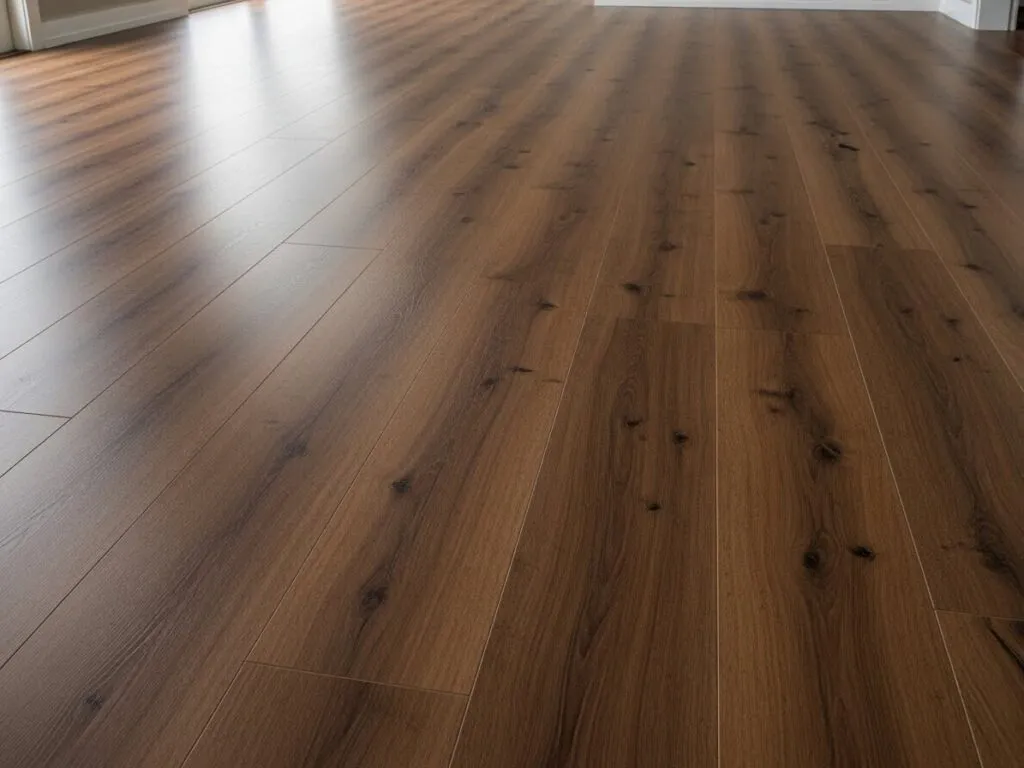
Luxury vinyl plank is one of the best flooring for basements, combining 100% waterproof design, durability, and realistic wood visuals. LVP is ideal for moisture-prone conditions because it resists mold, scratches, and warping. Its floating floor installation makes it perfect for basement flooring ideas where comfort and convenience matter. LVP also performs exceptionally well over basement concrete without feeling cold and is a top choice for finished basement flooring and basement bedroom upgrades.
2. Sheet Vinyl Flooring
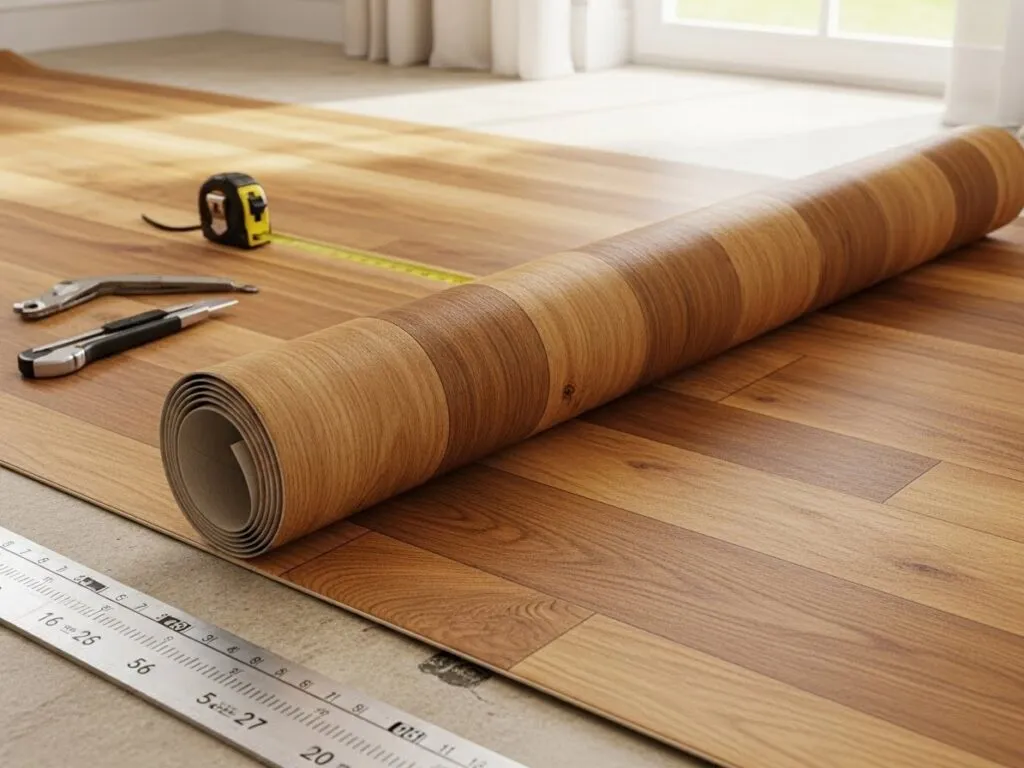
Sheet vinyl is one of the most reliable waterproof basement flooring options. Installed in large rolls, it minimizes seams, creating a watertight surface that protects against moisture and spills. This makes sheet vinyl ideal for basements with a history of dampness. While not as visually rich as LVP or tile, it provides excellent value and durability for utility rooms or moisture-prone areas.
3. Luxury Vinyl Tile (LVT)
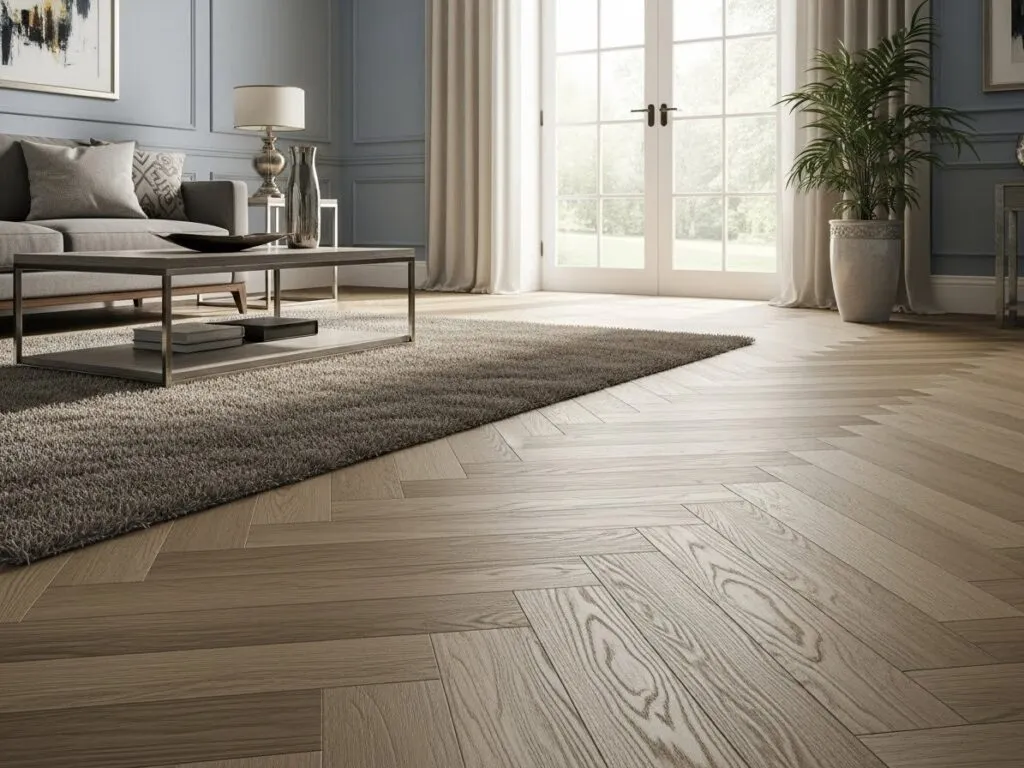
LVT is another excellent option for homeowners who want stylish designs mimicking stone, ceramic, or hardwood, while still benefiting from waterproof qualities. Its durability and floating or glue-down installation make it a versatile choice for basement flooring materials. LVT works wonderfully in basements used as living spaces, offices, or recreational areas.
4. Carpet Tiles
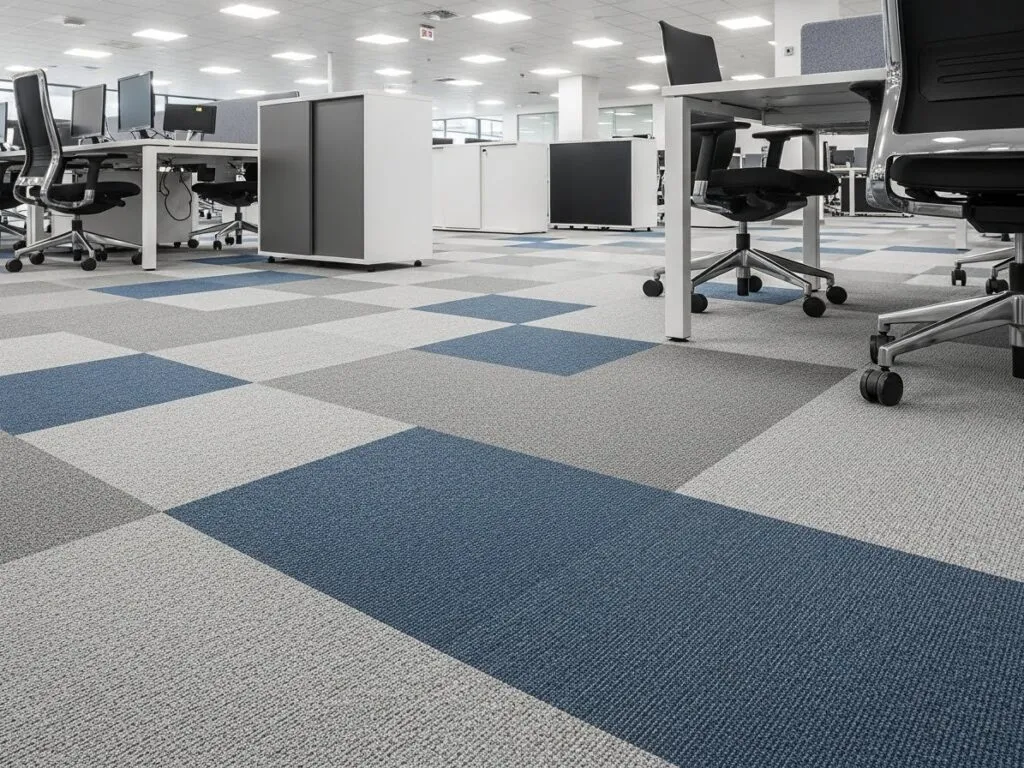
Carpet tiles are the go-to choice for homeowners who want warmth and comfort without sacrificing practicality. Traditional carpeting does not perform well in humid environments, but carpet tiles for basements offer modular flexibility that makes them resilient and easy to replace if moisture damage occurs. They provide insulation and soundproofing, making them perfect for basement bedrooms, children’s playrooms, and entertainment spaces.
5. Engineered Hardwood
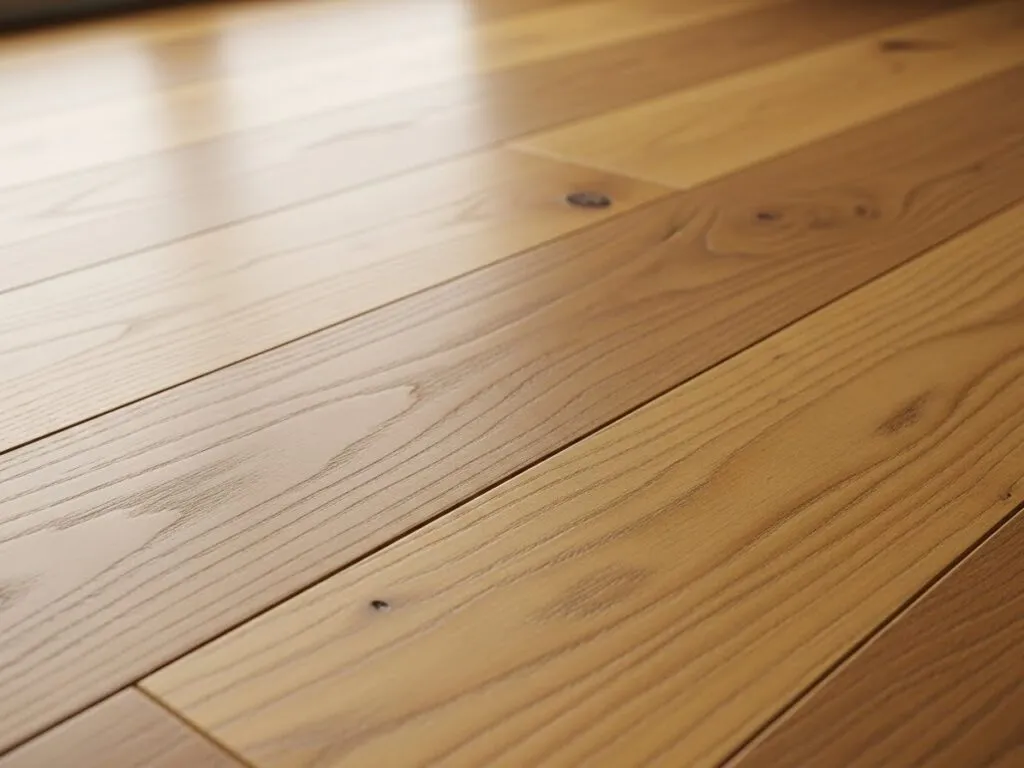
If you love the classic look of wood flooring, engineered hardwood for basements is significantly safer than solid hardwood. Engineered wood’s layered construction enhances stability and prevents warping due to humidity. Although not fully waterproof, moisture-resistant varieties offer a luxurious and stylish option for finished basements. Always choose engineered hardwood rated for below-grade installation to ensure long-term performance.
6. Epoxy Flooring
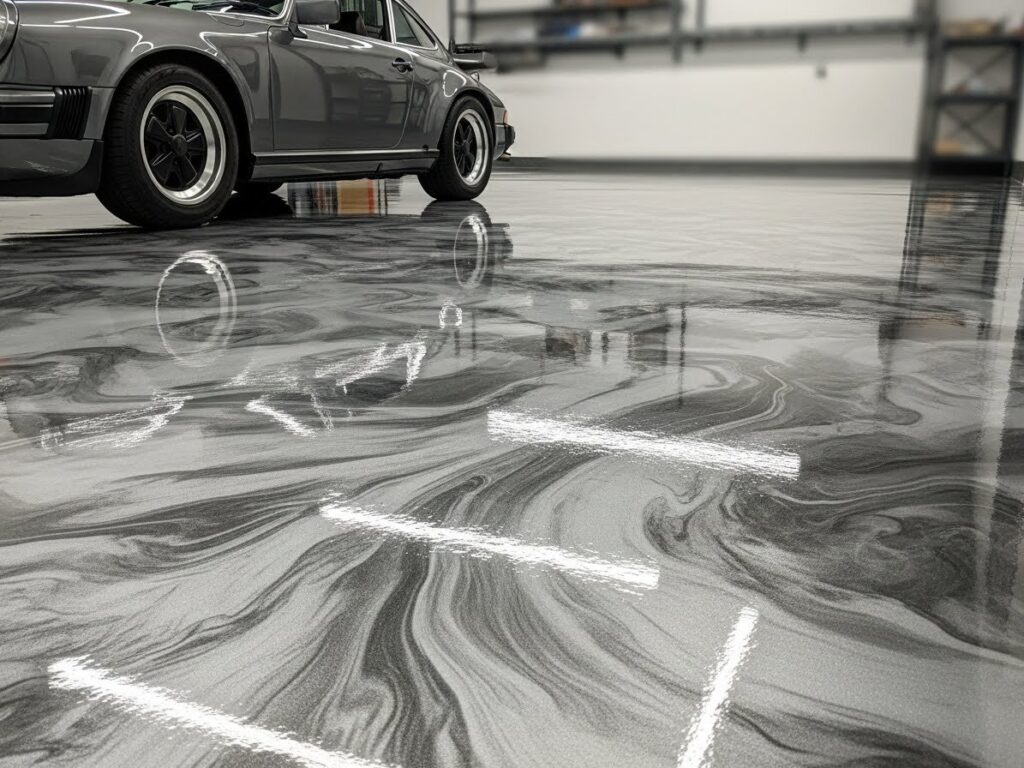
Epoxy flooring for basements is extremely durable, waterproof, and seamless, making it one of the best choices for utility rooms, storage areas, home gyms, and workshops. It seals the concrete surface entirely, preventing moisture penetration and creating a glossy, long-lasting finish. Epoxy is ideal for homeowners who prefer low-maintenance and industrial-strength flooring.
7. Tile Flooring (Porcelain or Ceramic)
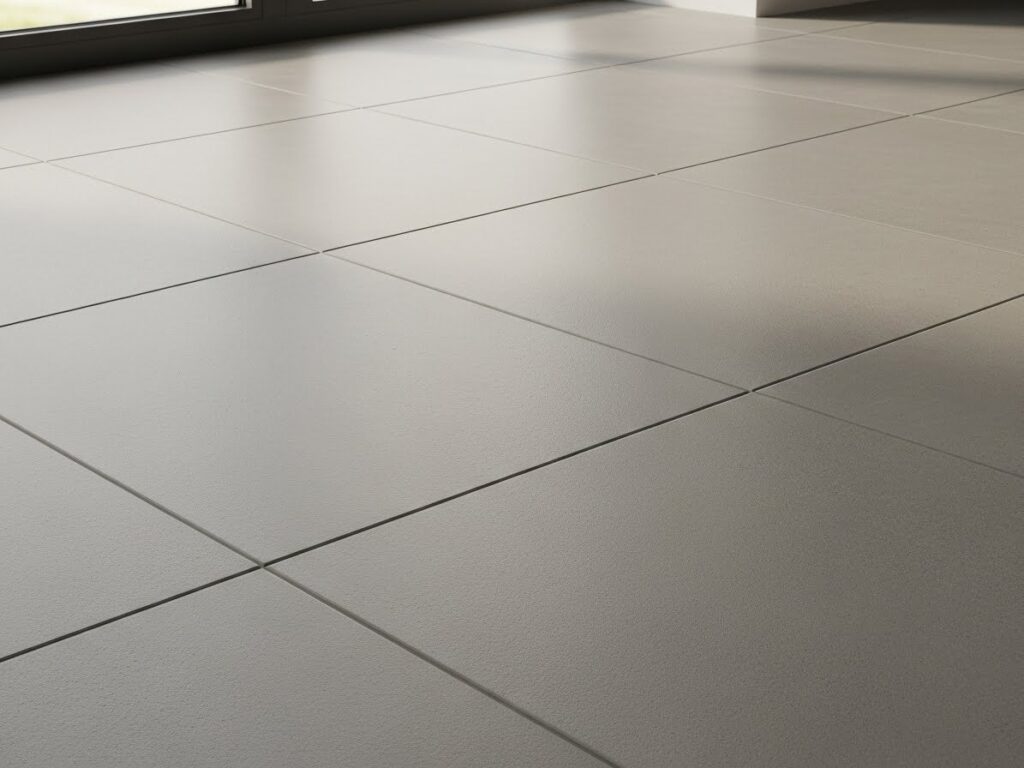
Tile flooring is a top performer for flood-prone basements because it is 100% waterproof and extremely long-lasting. Tile flooring for basements is often used in areas exposed to heavy moisture, such as laundry rooms or entryways with direct outdoor access. While tile can be cold underfoot, pairing it with the right basement underlayment options or radiant heat solves this issue. It remains one of the most durable and moisture-proof choices available.
8. Laminate Flooring
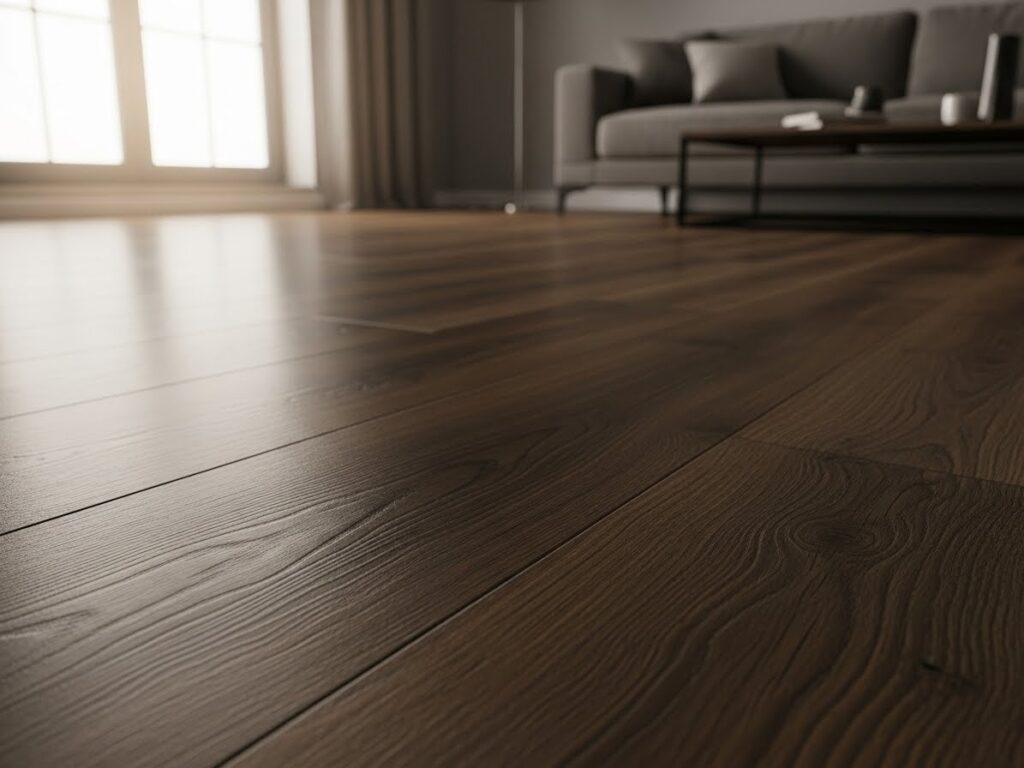
Modern laminate flooring for basements offers improved water resistance compared to older versions, making it a budget-friendly alternative to hardwood. Laminate installs easily using a floating system, making it suitable for DIY enthusiasts. Although it isn’t fully waterproof, higher-quality water-resistant laminate can handle moderate moisture levels. Avoid using laminate in basements that have a risk of flooding.
9. Rubber Flooring
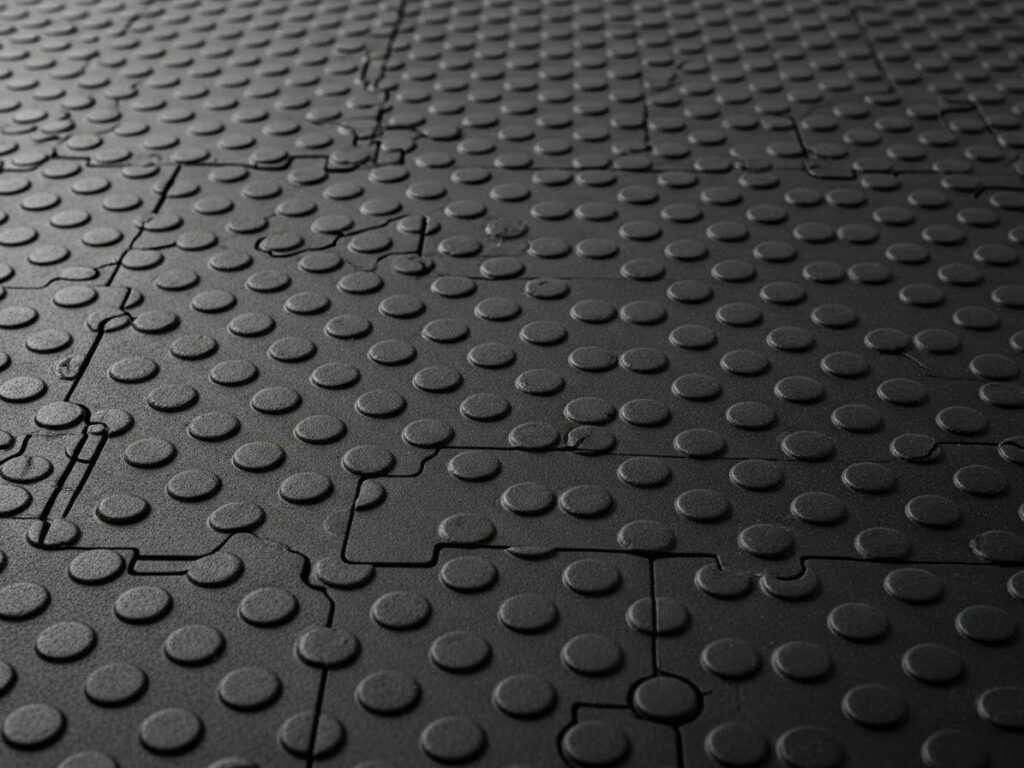
Ideal for gyms or activity rooms, rubber flooring for basements provides excellent shock absorption, comfort, and traction. It’s naturally mold-resistant, easy to install, and moisture-tolerant. Rubber tiles or rolls work well over concrete slabs without requiring major prep work. Homeowners looking to build a fitness area often choose rubber flooring because it withstands heavy weights and high impact.
10. Cork Flooring
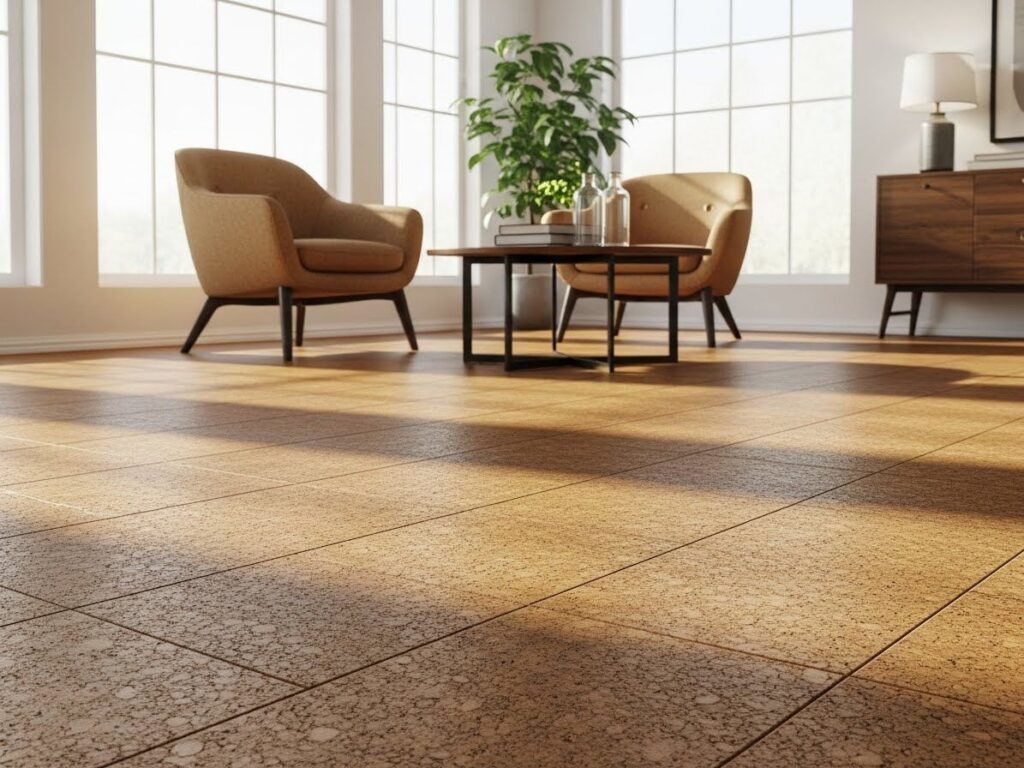
Cork flooring for basements is an eco-friendly, naturally antimicrobial option that offers warmth and comfort underfoot. Cork helps insulate the space, making it perfect for homeowners seeking a cozy finished basement. However, cork must be properly sealed to protect against moisture. Waterproof or treated cork products perform best below grade.
Basement Subfloor & Moisture Protection Guide
Before installing any flooring, it’s crucial to create a moisture barrier. Moisture control prevents mold, structural damage, and flooring deterioration over time.
Vapor Barriers
Using proper basement vapor barrier options—such as polyethylene sheets or specialized coatings—helps prevent moisture vapor from migrating upward through the concrete slab. These barriers are essential under floating floors or any moisture-vulnerable materials.
Subfloor Systems
Modern subfloor systems for basements, like DRIcore or Barricade, elevate your flooring off the cold concrete, improving insulation, comfort, and airflow. They help manage condensation and prevent mold growth.
Underlayment Choices
When choosing basement underlayment options, consider materials that offer moisture resistance, cushioning, and sound reduction. Foam, cork, or rubber underlayments are common choices, depending on your flooring type.
How to Install Flooring on Concrete Basement Slabs
Proper installation ensures your flooring lasts for years. Before laying any materials, begin by testing for moisture using an RH or calcium chloride test. Clean the basement concrete thoroughly, repairing cracks or uneven spots. Install a vapor barrier if recommended, and choose between floating systems, subfloor panels, or moisture-resistant adhesives. When selecting the best glue-down flooring for basements, use only adhesives rated for high-moisture environments to prevent future issues. Allow all materials to acclimate to basement temperatures for 48–72 hours before installation.
Expert Recommendations for the Best Flooring for Concrete Basements
Based on contractor experience and performance testing, the top choices for best flooring for concrete basement applications include luxury vinyl plank for versatility, sheet vinyl or epoxy for maximum waterproofing, carpet tiles for comfort, and porcelain tile for durability in high-moisture environments. For stylish finished spaces, engineered hardwood and LVP remain the leading solutions. Flood-prone areas benefit most from tile or epoxy flooring thanks to their resilience and waterproof qualities.
Conclusion:
Choosing the right flooring options for basements ensures your space remains dry, comfortable, and visually appealing for years. Whether you’re upgrading a cozy basement bedroom, creating a home gym, or designing a full-scale entertainment area, many durable, moisture-proof materials can withstand below-grade conditions. Luxury vinyl plank stands out as the most versatile and popular option, but tile, epoxy, carpet tiles, engineered hardwood, and cork each have unique strengths. By combining proper materials with smart moisture protection such as vapor barriers, subfloor systems, and quality underlayments, you can transform your basement into a long-lasting, beautiful extension of your home.
Frequently Asked Questions
What is the best basement flooring for moisture?
Luxury vinyl plank, tile, epoxy, and sheet vinyl offer the highest moisture resistance.
Is wood flooring safe for basements?
Solid hardwood is not, but engineered hardwood is safe if labeled for below-grade installation.
Do basements need a subfloor?
While not always required, subfloor systems improve warmth, comfort, and moisture control.
What is the easiest flooring to install in a basement?
Floating LVP, carpet tiles, and rubber flooring are the simplest and quickest options.