
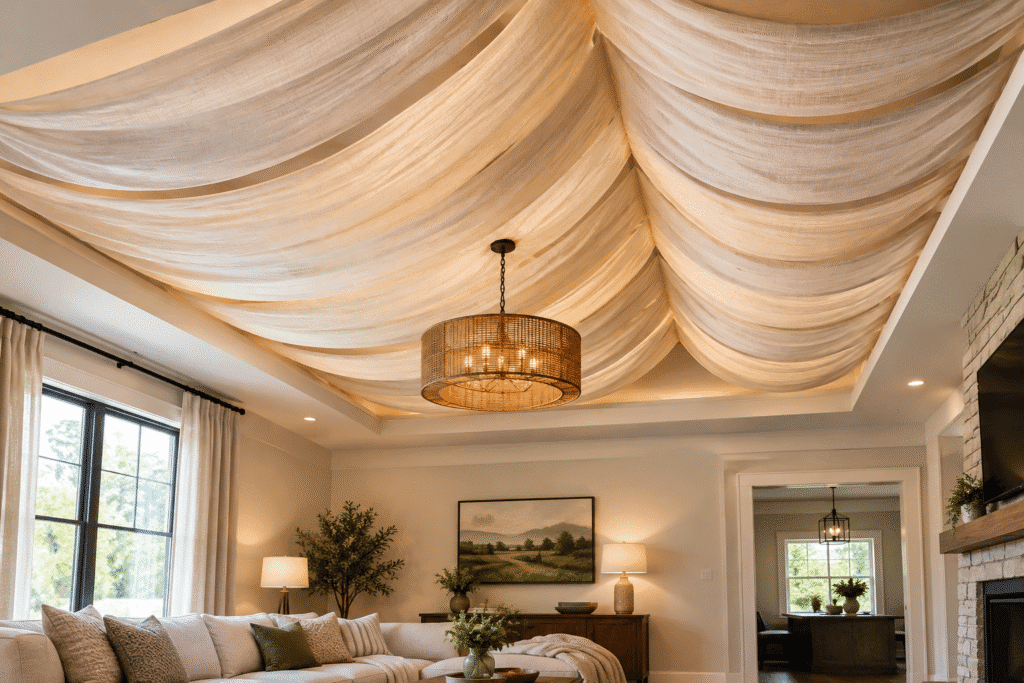
A fabric ceiling is one of the most underrated ways to transform a room, adding texture, softness, and even acoustic benefits that a flat painted ceiling simply can’t offer. From draped bedroom canopies to structured fabric panels, these 23 fabric ceiling ideas will help you reimagine the fifth wall of any space.
1. Draped Sheer Fabric Canopy
Contents
- 1 1. Draped Sheer Fabric Canopy
- 2 2. Tented Fabric Ceiling
- 3 3. Pleated Fabric Panels
- 4 4. Fabric Ceiling with Chandelier Centerpiece
- 5 5. Striped Fabric Panel Installation
- 6 6. Fabric-Wrapped Acoustic Panels
- 7 7. Billowing Fabric Ceiling for Outdoor Spaces
- 8 8. Fabric Ceiling Medallion Detail
- 9 9. Layered Fabric with String Lights
- 10 10. Fabric Ceiling with Exposed Beams
- 11 11. Quilted Fabric Ceiling Panels
- 12 12. Fabric Ceiling Light Diffuser
- 13 13. Draped Fabric Reading Nook Canopy
- 14 14. Fabric Ceiling Cover for Water Damage or Imperfections
- 15 15. Fabric Ceiling Installation with Track Systems
- 16 16. Canopy Bed Fabric Ceiling Extension
- 17 17. Fabric Ceiling Design for Nurseries
- 18 18. Fabric Ceiling for Event and Wedding Tents
- 19 19. Fabric Ceiling with Mixed Textures
- 20 20. Fabric Ceiling Treatment for Home Theaters
- 21 21. Scalloped Fabric Ceiling Edge
- 22 22. Fabric Ceiling Panels in Geometric Patterns
- 23 23. Removable Fabric Ceiling Panels for Renters
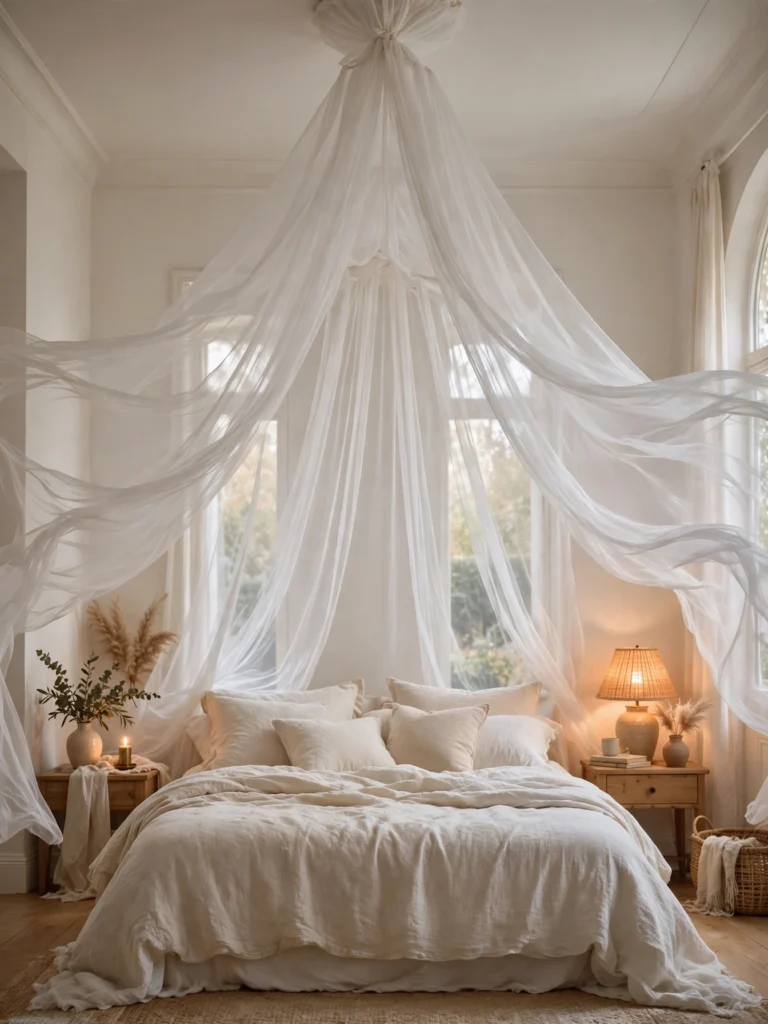
A draped sheer fabric canopy is one of the most romantic fabric ceiling ideas bedroom designs, creating a soft, billowing effect that instantly elevates the space. Sheer fabric panels are gathered at a central point, often above the bed, and allowed to flow outward toward the corners of the room or walls.
This look works beautifully in bedrooms with higher ceilings, where the fabric has enough drop to create real drama. Choose lightweight materials like voile or chiffon so the fabric moves gently with airflow, adding a dreamy, ethereal quality to the room.
2. Tented Fabric Ceiling
A fully tented fabric ceiling bedroom design wraps the entire ceiling in fabric, pulled taut from a central point down to the walls, creating an intimate, cocoon-like atmosphere. This technique is often seen in boutique hotels and luxury bedrooms, where it adds an unmistakable sense of coziness and enclosure.
Because this design covers the entire ceiling, it requires careful planning and typically professional installation to ensure the fabric is evenly tensioned. Rich fabrics like velvet or silk blends work particularly well for this fully immersive look.
3. Pleated Fabric Panels
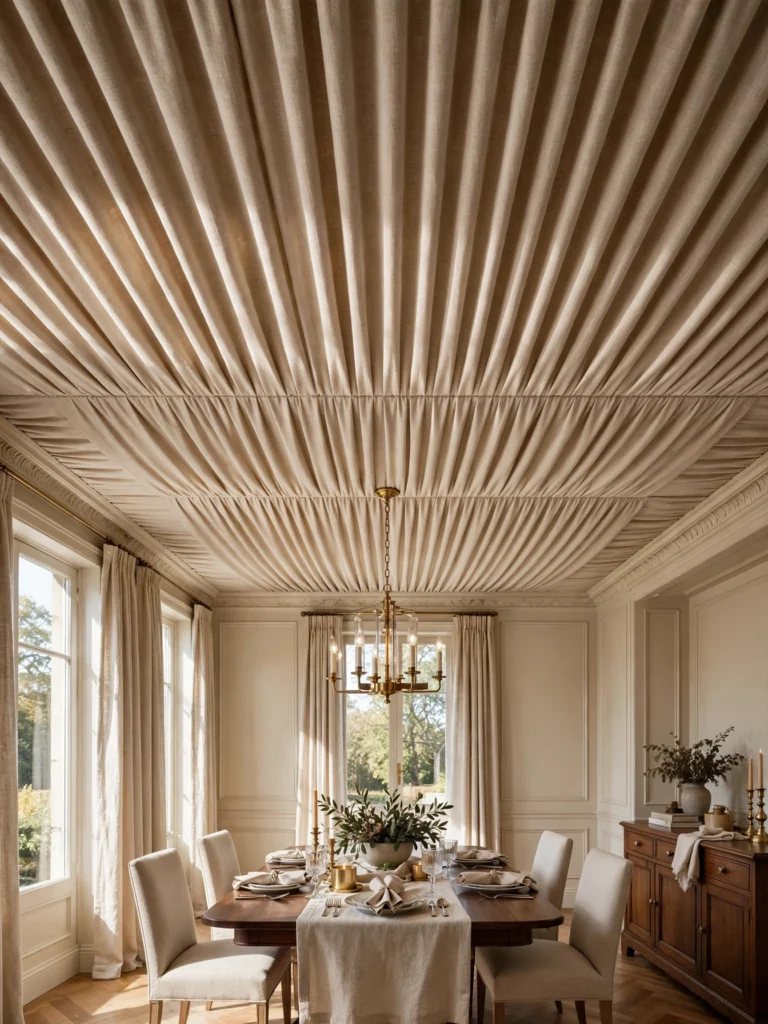
Pleated fabric panels running across the ceiling add structured texture and rhythm, offering a more tailored alternative to loosely draped fabric. This is one of the more popular fabric ceiling design ideas for formal dining rooms or living spaces where a polished look is the goal.
The consistent pleating pattern catches light differently throughout the day, adding subtle visual movement without being overly dramatic. This technique works well with mid-weight fabrics that hold a crisp fold, such as linen or cotton blends.
4. Fabric Ceiling with Chandelier Centerpiece
Combining a draped fabric ceiling with a statement chandelier at its center creates a focal point that feels both soft and glamorous. The fabric radiates outward from the fixture, framing it in a way that makes the lighting feel like the heart of the entire room.
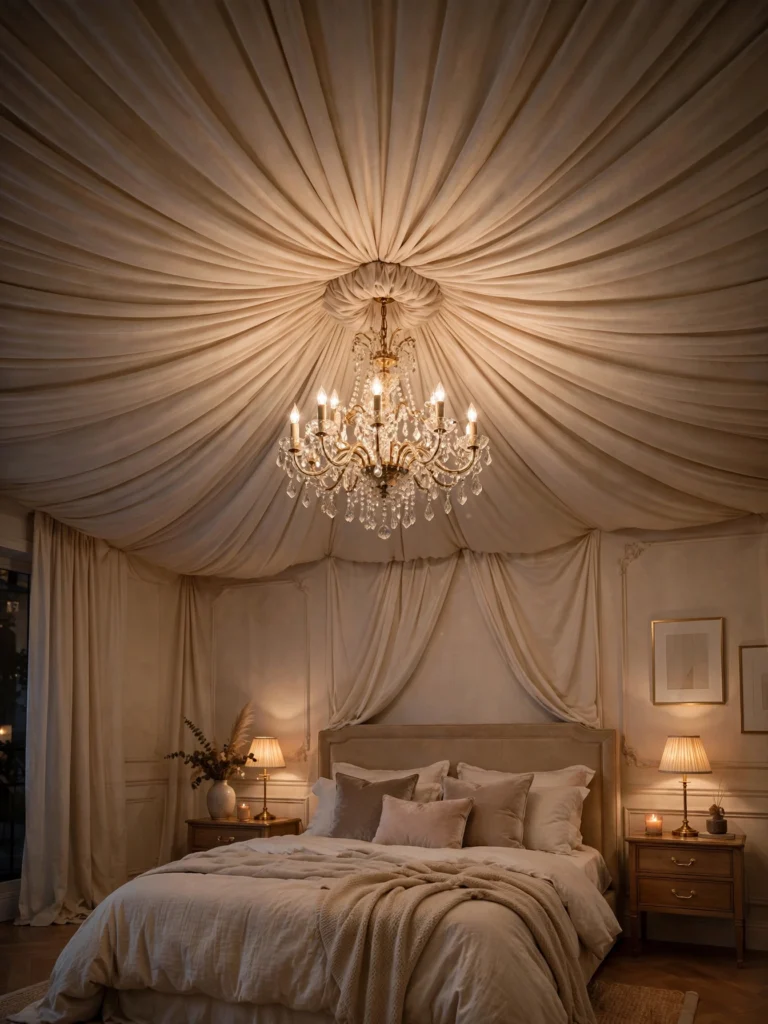
This pairing is especially striking in dining rooms or primary bedrooms where a chandelier already serves as a key design element. Choosing a chandelier with warm, dimmable lighting enhances the cozy effect of the surrounding fabric.
5. Striped Fabric Panel Installation
Alternating fabric panels in two complementary colors or patterns creates a striped effect across the ceiling, adding graphic interest to an otherwise plain surface. This is one of the more modern fabric ceiling panels approaches, offering structure without feeling overly ornate.
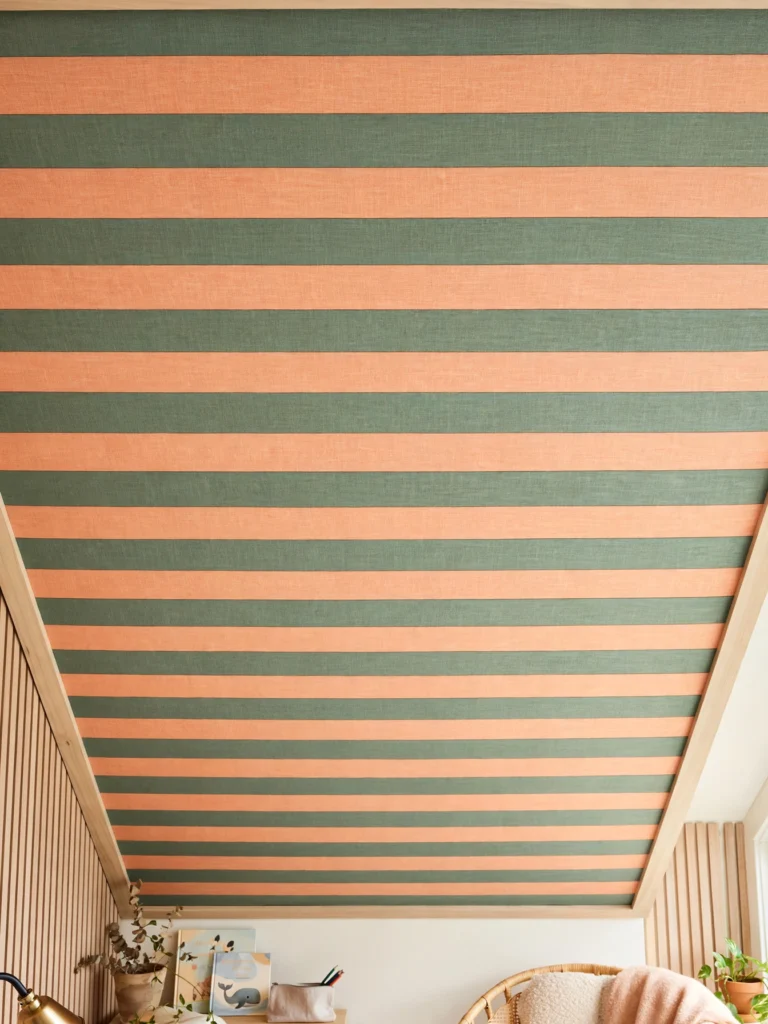
This technique works particularly well in nurseries, home offices, or playrooms where a bit of playful pattern suits the space. Keeping the stripe width consistent across the ceiling ensures the installation reads as intentional and well-planned.
6. Fabric-Wrapped Acoustic Panels
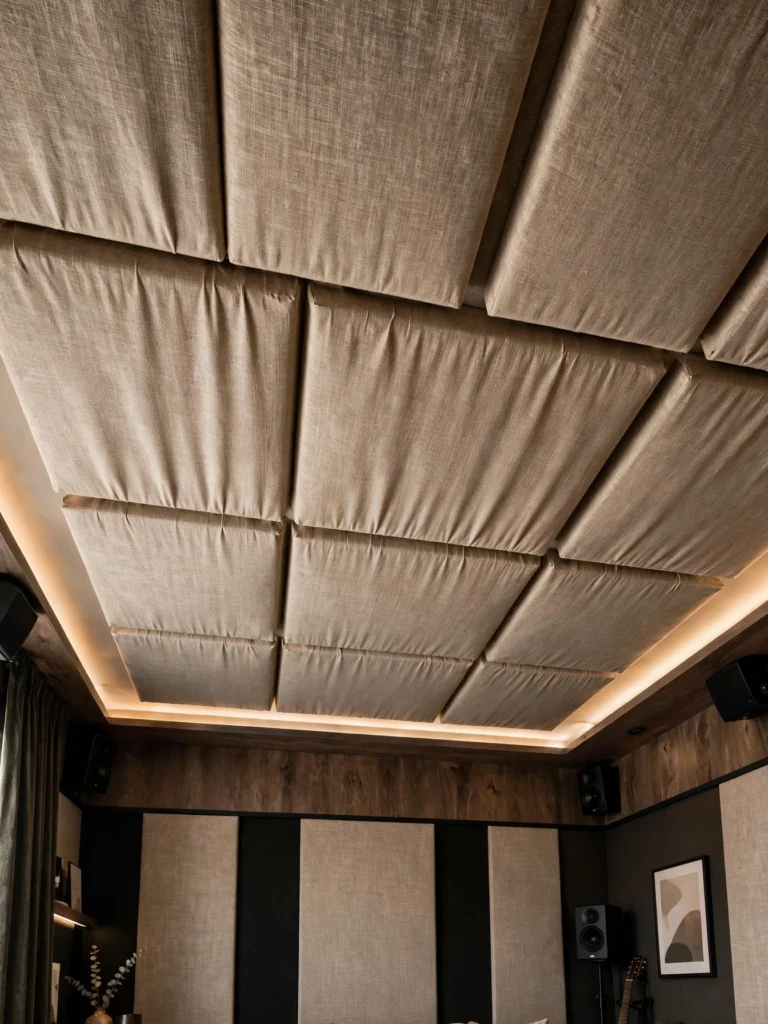
Fabric-wrapped acoustic panels mounted to the ceiling serve a dual purpose, softening sound in the room while adding visual texture overhead. This is a practical fabric ceiling treatment for home theaters, music rooms, or open-concept spaces with excessive echo.
These panels typically consist of a rigid core wrapped in fabric, making them more structured than draped alternatives. Choosing a fabric that complements your existing decor allows the panels to function as a design feature rather than a purely utilitarian fix.
7. Billowing Fabric Ceiling for Outdoor Spaces
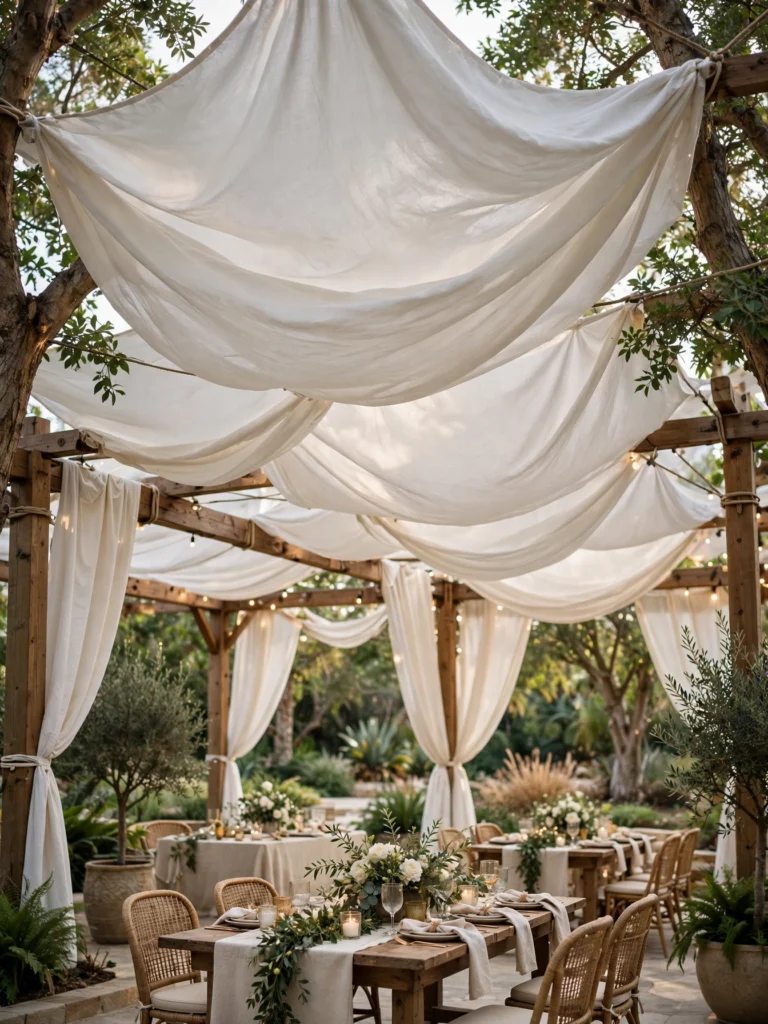
A billowing fabric canopy strung between posts or trees creates a stunning fabric ceiling outdoor feature for patios, pergolas, or event spaces. The fabric provides shade while adding a soft, resort-like atmosphere to outdoor gatherings.
Weather-resistant outdoor fabric is essential here, since the material will be exposed to sun, wind, and occasional rain. This look is especially popular for outdoor weddings or garden parties, where the draped fabric creates a naturally elegant backdrop.
8. Fabric Ceiling Medallion Detail
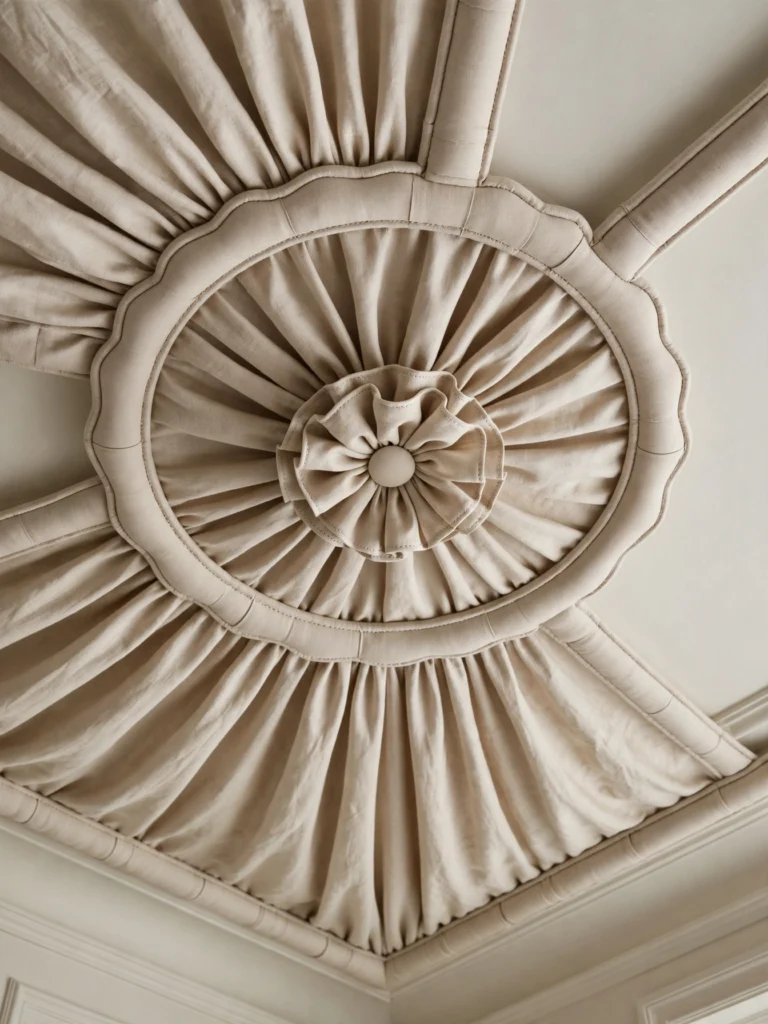
Adding a fabric rosette or medallion at the center point where draped fabric gathers creates a finished, polished detail that elevates the entire installation. This small addition is often overlooked but makes a noticeable difference in how professional the final fabric ceiling design appears.
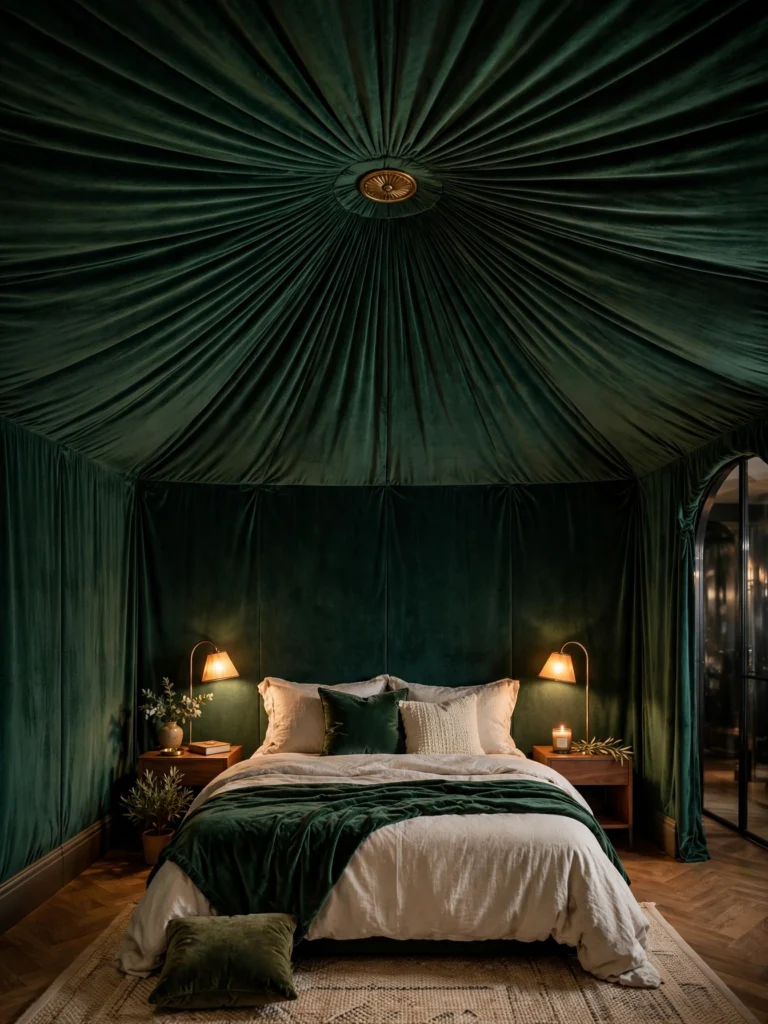
The medallion can be fabric-covered foam or a decorative trim piece that conceals the mounting hardware. This detail works particularly well in bedrooms or dining rooms where the ceiling treatment is meant to feel like a true architectural feature.
9. Layered Fabric with String Lights
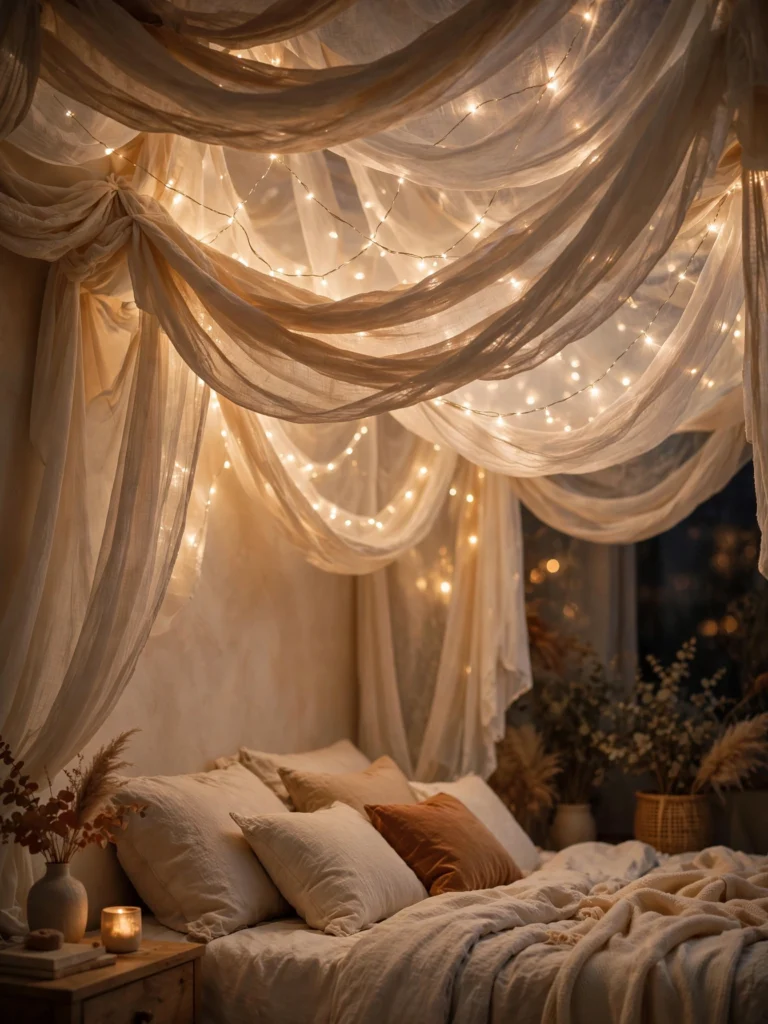
Weaving string lights through or behind a draped fabric ceiling creates a soft, glowing effect once the sun goes down. The fabric diffuses the light, producing a warm, ambient glow rather than individual pinpoints of brightness.
This combination is especially popular for fabric ceiling bedroom designs and outdoor canopy setups alike, since it extends the usability of the space into the evening. Choose warm white LED lights to reinforce the cozy, romantic quality of the fabric overhead.
10. Fabric Ceiling with Exposed Beams
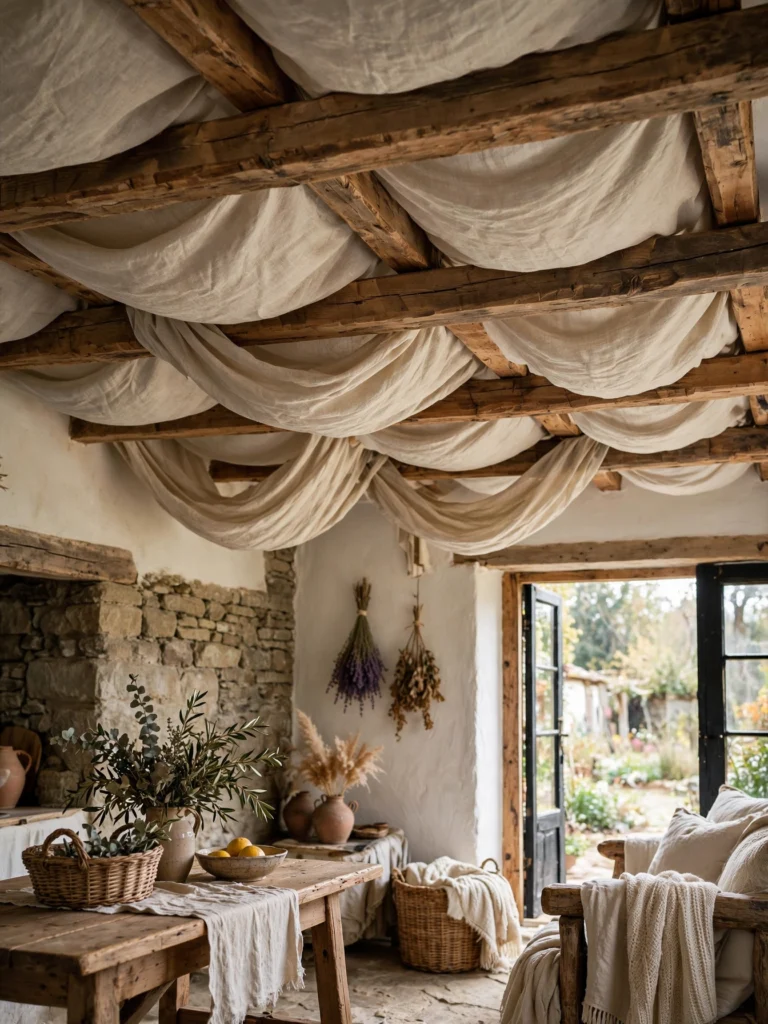
Draping fabric between exposed wooden beams, rather than covering the entire ceiling, allows the natural architecture of the room to remain visible while still softening the overall look. This is one of the more rustic fabric ceiling design ideas, blending structure with softness.
This technique works particularly well in farmhouse or cottage-style homes where exposed beams are already a key architectural feature. The fabric can be swapped seasonally, offering an easy way to refresh the room’s look throughout the year.
11. Quilted Fabric Ceiling Panels
Quilted fabric panels add dimensional texture to a ceiling, creating a tufted, upholstered effect similar to a headboard. This technique is one of the more luxurious fabric ceiling panels options, often seen in high-end bedrooms or boutique hospitality spaces.
The quilted pattern catches shadows and light in a way that flat fabric cannot, adding depth and visual richness overhead. This installation typically requires a backing board to maintain the structured, tufted shape over time.
12. Fabric Ceiling Light Diffuser
Stretching a translucent fabric panel across a section of the ceiling to diffuse recessed or hidden lighting creates a soft, glowing fabric ceiling light effect without visible fixtures. This technique produces an even, shadow-free illumination that feels more like daylight than typical overhead lighting.
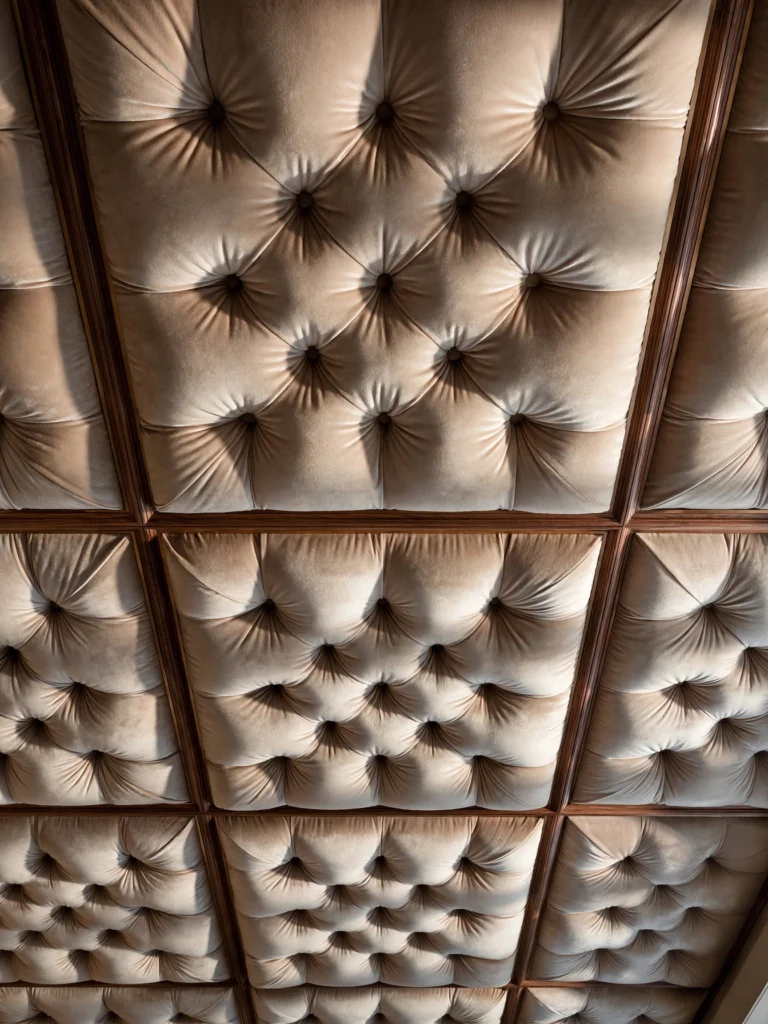
This approach is popular in modern bathrooms, home offices, and bedrooms where soft, glare-free light is a priority. Proper spacing between the light source and the fabric is essential to avoid visible hot spots on the surface.
13. Draped Fabric Reading Nook Canopy
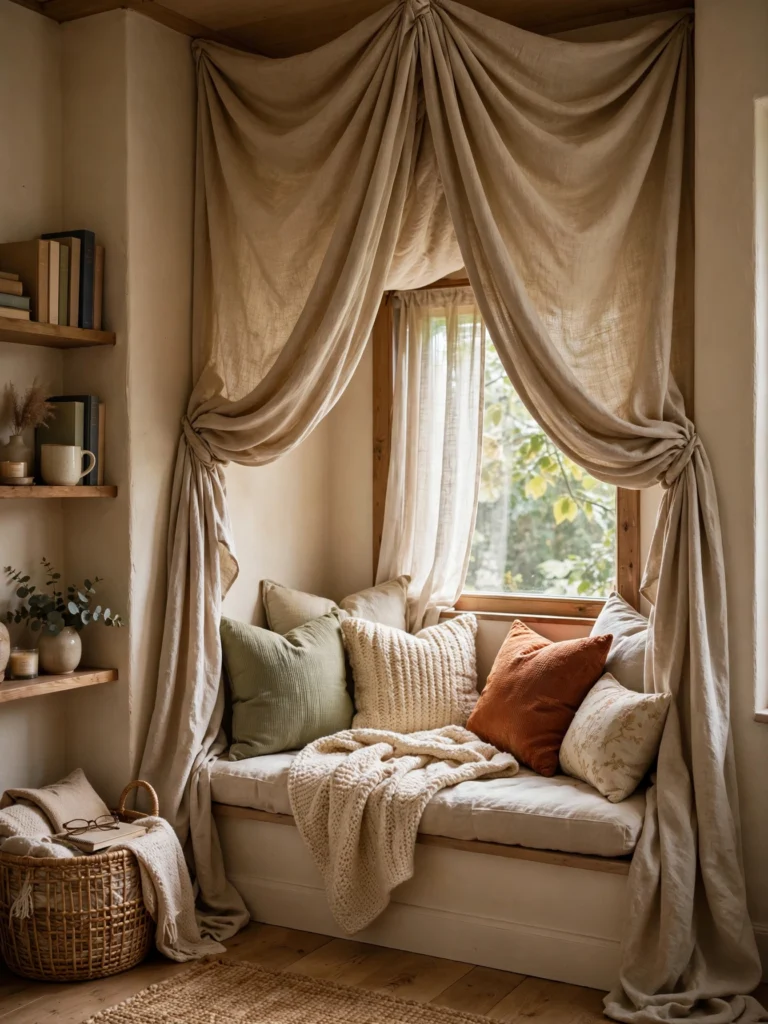
Creating a small, draped fabric canopy over a reading nook or window seat adds a cozy, enclosed feeling to a dedicated relaxation spot. This scaled-down approach to fabric ceiling ideas is easier to install than a full-room treatment while still delivering significant visual impact.
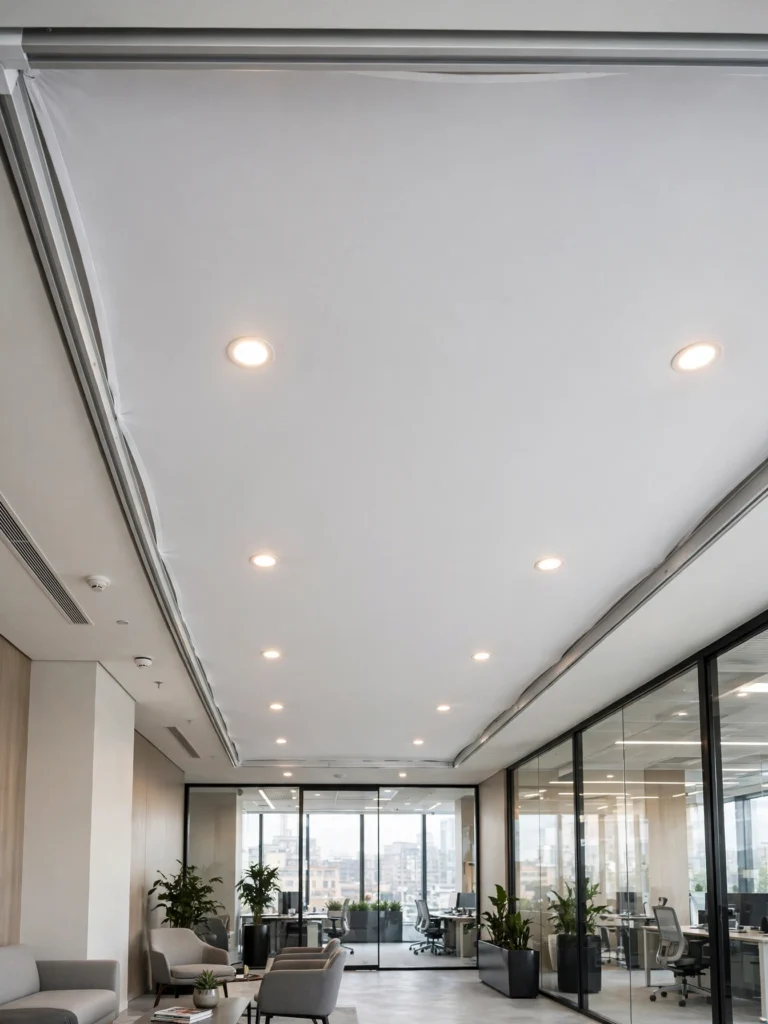
Choose a soft, textured fabric that complements the cushions and pillows already in the nook. This detail transforms an ordinary corner into a clear destination within the room, inviting guests or family members to curl up and relax.
14. Fabric Ceiling Cover for Water Damage or Imperfections
A stretched fabric ceiling cover is a practical solution for concealing water stains, cracks, or uneven surfaces without the cost and mess of a full ceiling renovation. This fabric ceiling cover technique works especially well in older homes or rental properties where permanent fixes aren’t an option.
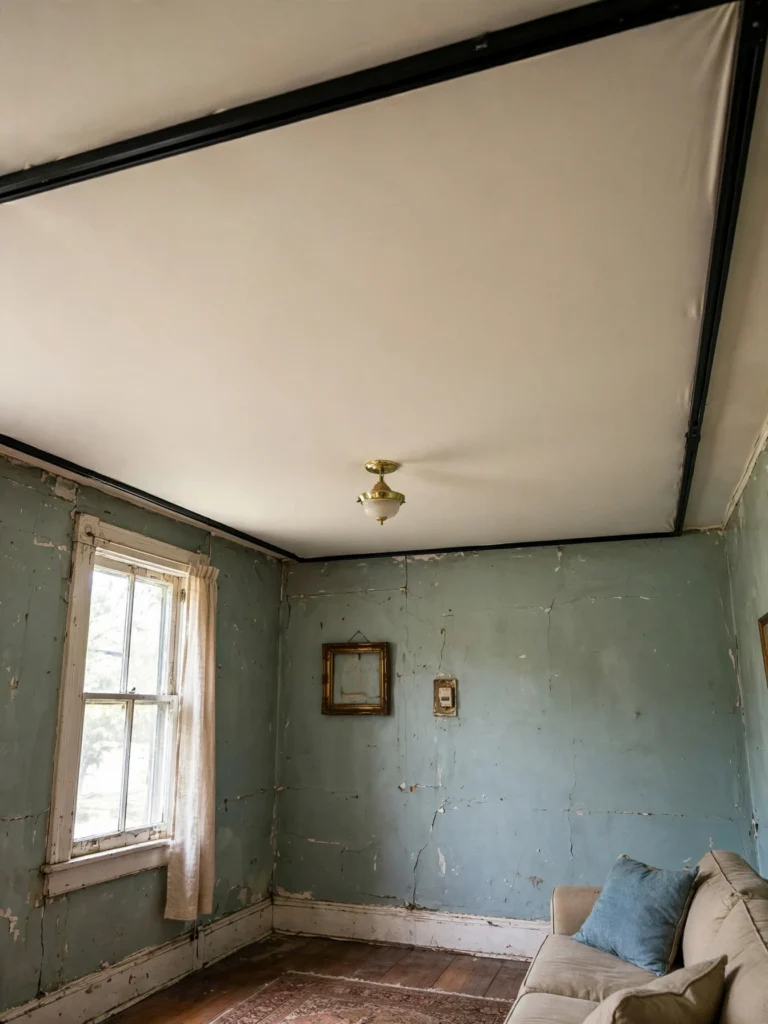
The fabric is typically mounted on a track system around the room’s perimeter, creating a smooth, finished appearance. This solution offers both an aesthetic upgrade and a practical fix, making it one of the more functional fabric ceiling ideas on this list.
15. Fabric Ceiling Installation with Track Systems
A professional track-based fabric ceiling installation uses a perimeter channel system to achieve a perfectly smooth, taut fabric surface across the entire ceiling. This method is commonly used in commercial spaces but has become increasingly popular in high-end residential design.
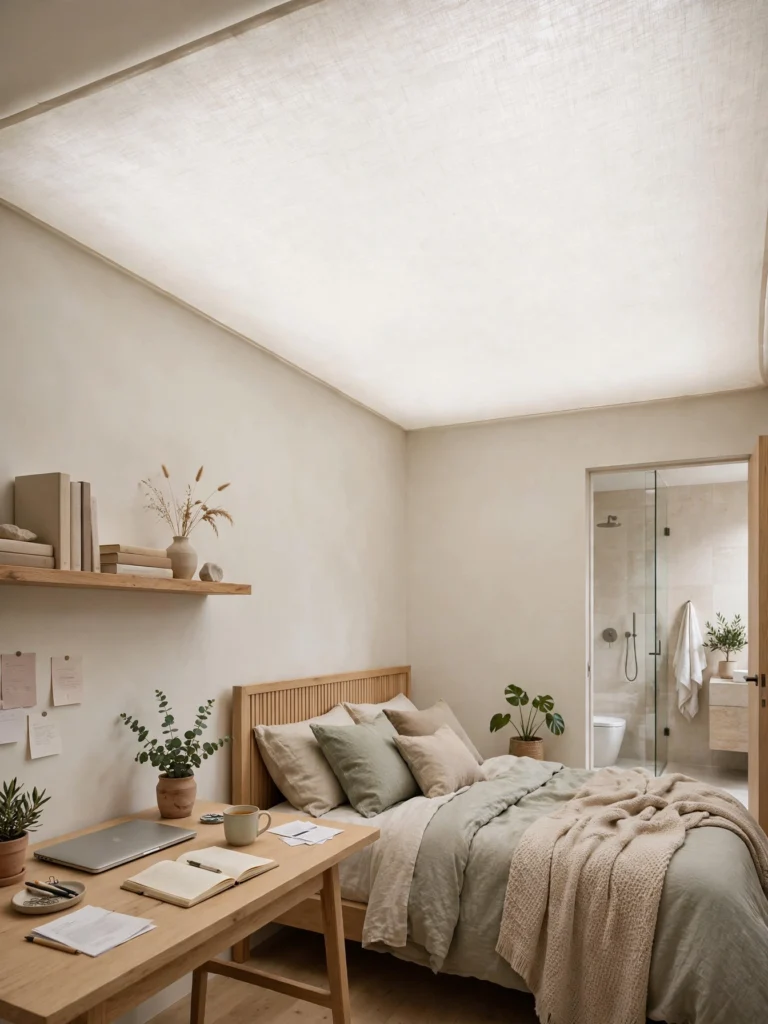
Track systems allow for a seamless, wall-to-wall finish that draped or gathered fabric methods can’t replicate. While this approach typically requires professional installation, the result is a clean, modern take on the fabric ceiling trend.
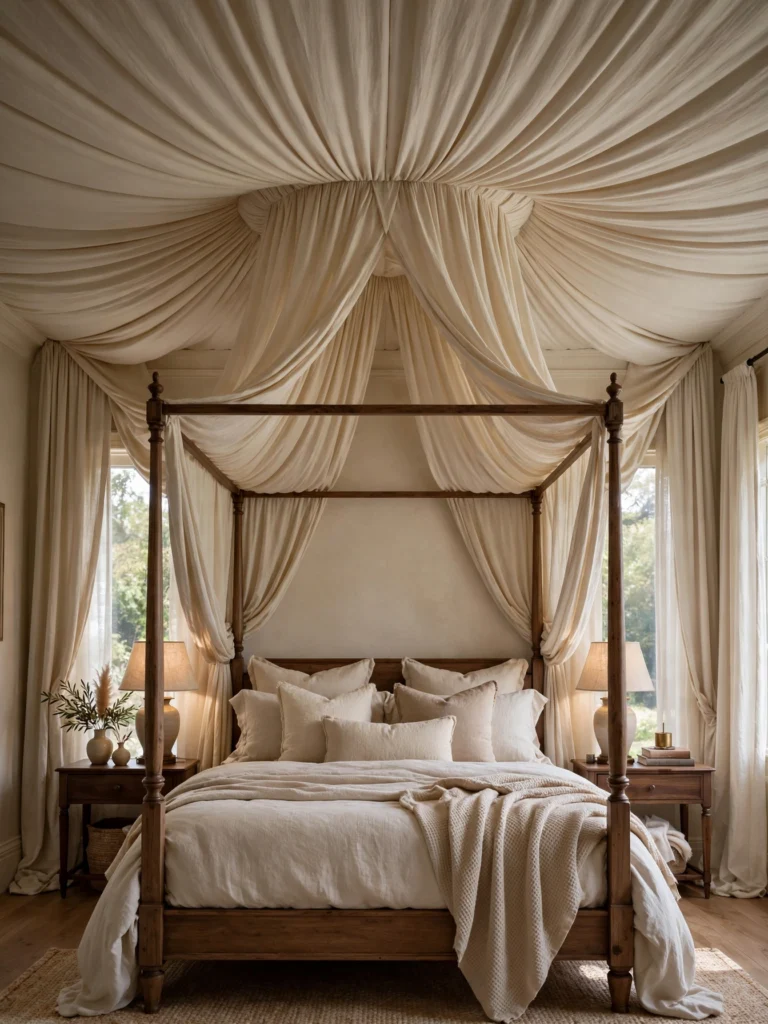
16. Canopy Bed Fabric Ceiling Extension
Extending fabric from a canopy bed frame upward and outward to blend into the surrounding ceiling creates a seamless, immersive fabric ceiling bedroom design. Rather than the fabric being confined to the bed frame alone, it visually merges with the ceiling for a more dramatic, enveloping effect.
This technique works particularly well in primary bedrooms where the bed is already a major focal point. Coordinating the ceiling fabric with the bedding and curtains throughout the room creates a cohesive, intentional design story.
17. Fabric Ceiling Design for Nurseries
Soft, draped fabric ceilings are a popular choice for nurseries, creating a gentle, soothing atmosphere for both baby and parent. Pastel tones or subtle prints work particularly well, reinforcing the calm, nurturing mood these spaces are designed around.
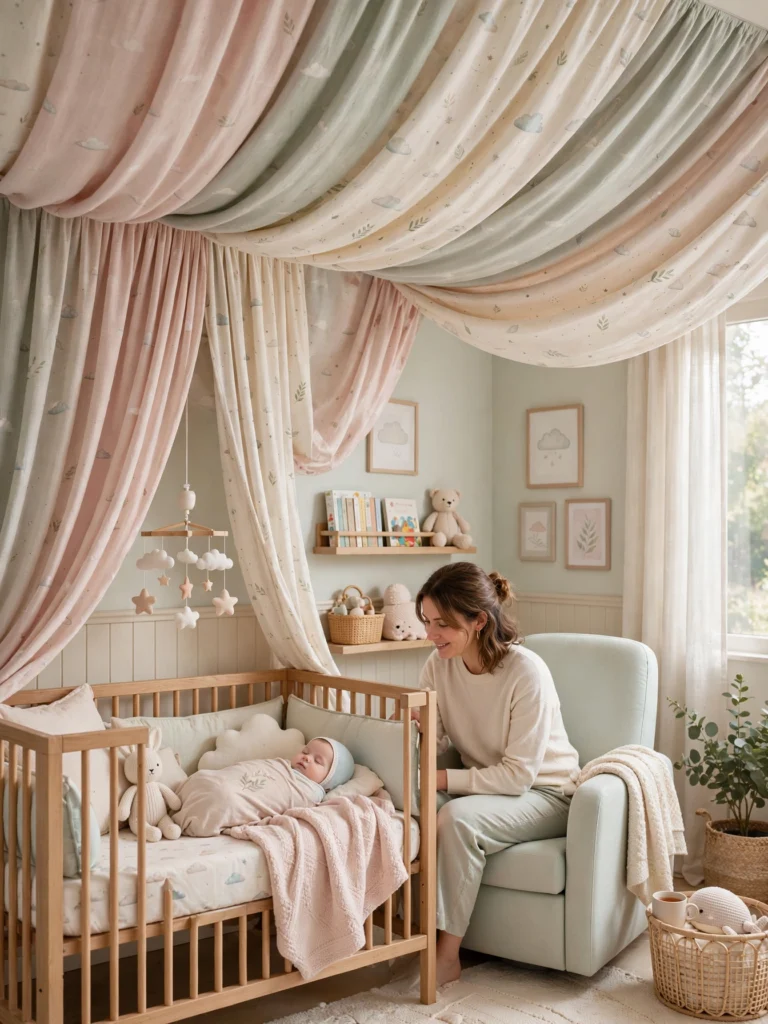
This fabric ceiling design bedroom approach also adds a layer of softness that can help absorb sound, which is a practical bonus in a room where naps are a priority. Choose washable, breathable fabrics given how long this installation may remain in place as the child grows.
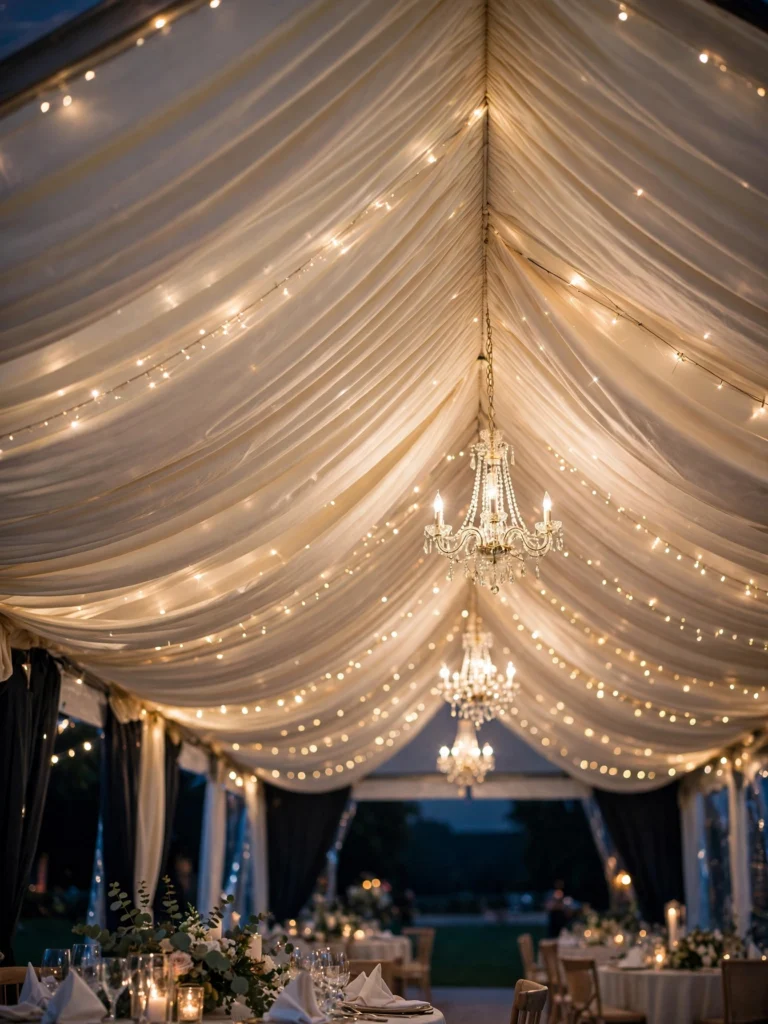
18. Fabric Ceiling for Event and Wedding Tents
Draped fabric is a staple of event design, transforming plain tent ceilings into elegant, romantic backdrops for weddings and celebrations. Swagged or pleated fabric panels running the length of the tent create a polished, finished look overhead.
This application of fabric ceiling ideas is typically temporary, using lightweight fabric that can be installed and removed relatively quickly. Adding string lights or chandeliers within the draped fabric enhances the celebratory atmosphere for evening events.
19. Fabric Ceiling with Mixed Textures
Combining two or more fabric types, such as a sheer base layer with a heavier textured overlay, adds dimension and richness to a fabric ceiling installation. This layered approach prevents the ceiling from feeling flat or one-dimensional, even when using a single color palette.
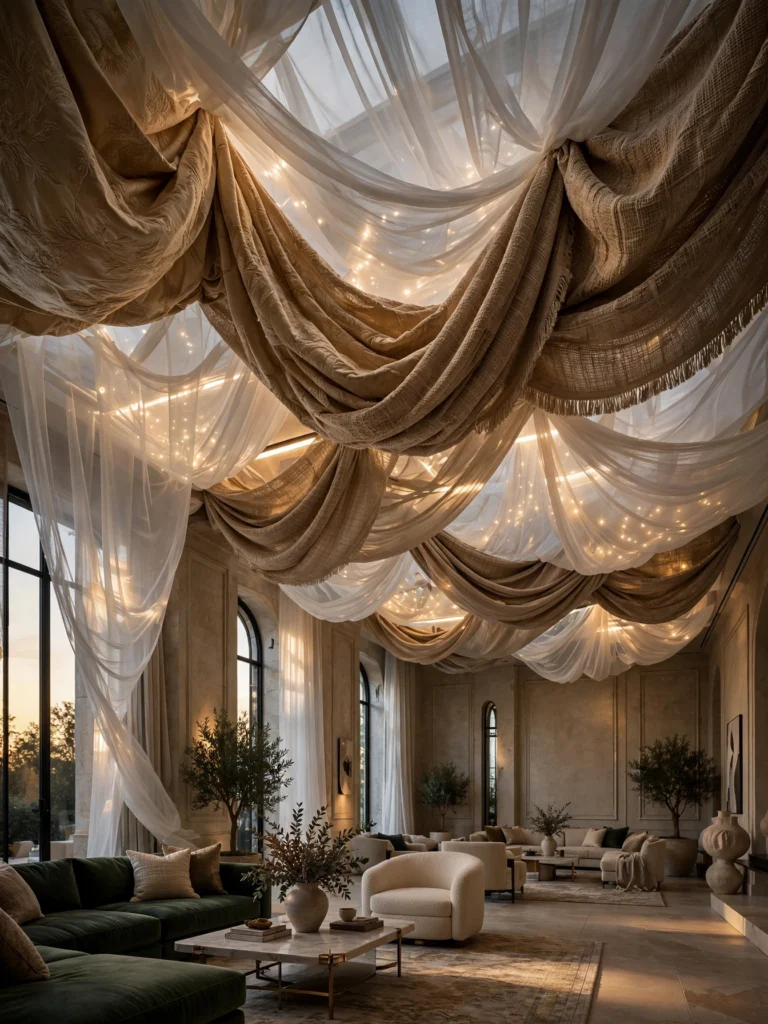
This technique is particularly effective in larger rooms where a single fabric type might otherwise feel sparse across such a large surface area. Mixing textures also allows for creative lighting effects, as the different fabric weights interact differently with light.
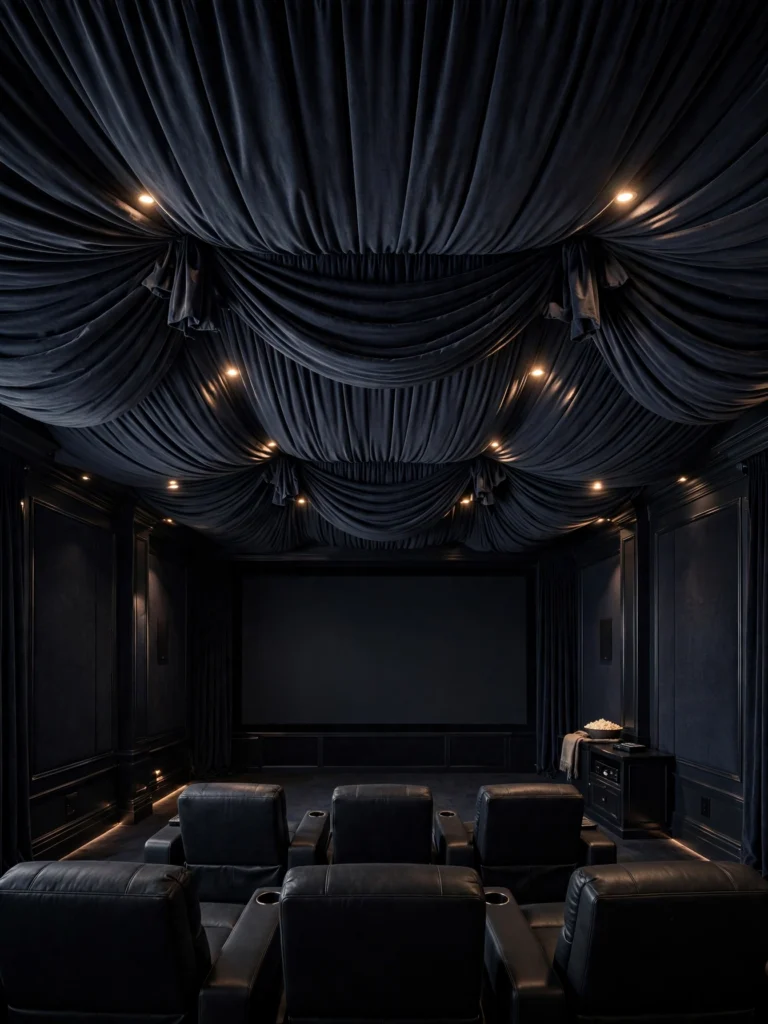
20. Fabric Ceiling Treatment for Home Theaters
A dark, draped fabric ceiling treatment in a home theater reduces light reflection and glare, improving the overall viewing experience while adding a luxurious, cinema-like atmosphere. Deep colors like charcoal, navy, or black work particularly well for this functional and aesthetic combination.
This approach also helps with sound absorption, reducing echo in a room that’s often filled with hard surfaces like screens and speakers. Pairing the fabric ceiling with recessed, dimmable lighting completes the theater-inspired design.
21. Scalloped Fabric Ceiling Edge
Finishing a draped fabric ceiling with a scalloped or ruffled edge adds a decorative, feminine touch that plain fabric hems don’t provide. This detail is especially popular in fabric ceiling ideas bedroom designs that lean traditional, romantic, or cottagecore in style.
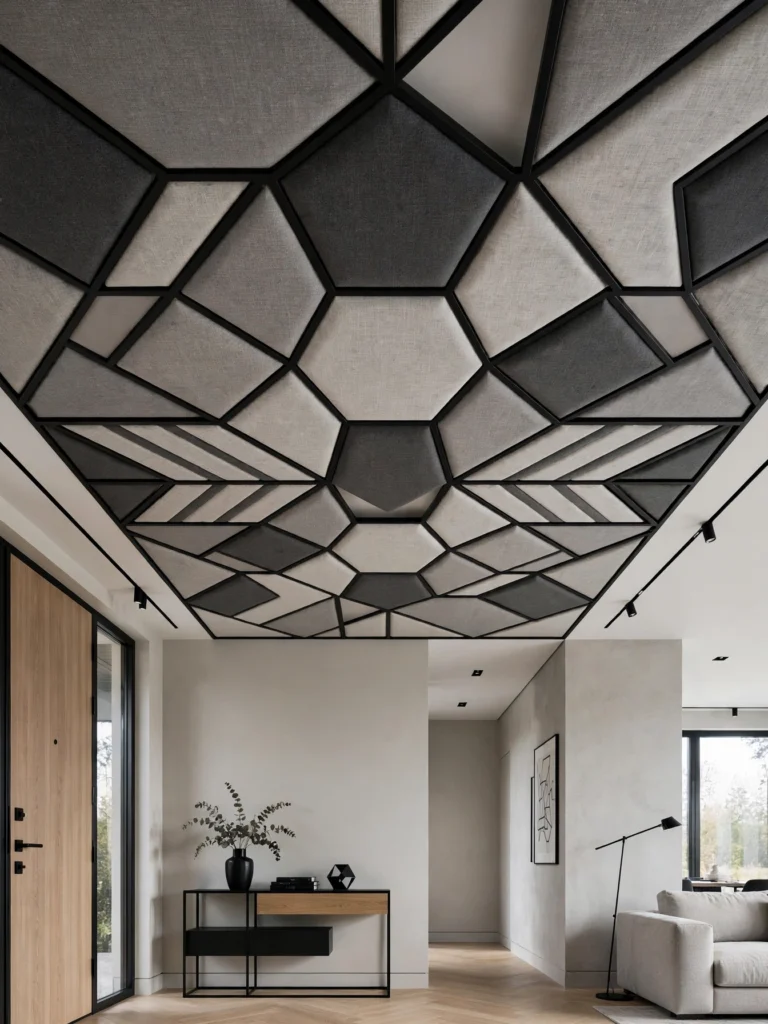
The scalloped edge can be created using the same fabric as the main canopy or a contrasting trim for added visual interest. This small detail often becomes the defining feature that makes the entire installation feel custom and considered.
22. Fabric Ceiling Panels in Geometric Patterns
Arranging fabric panels in geometric shapes, such as diamonds, chevrons, or hexagons, creates a modern, graphic take on the traditional fabric ceiling. This structured approach to fabric ceiling panels suits contemporary homes that want texture without a soft, romantic feel.
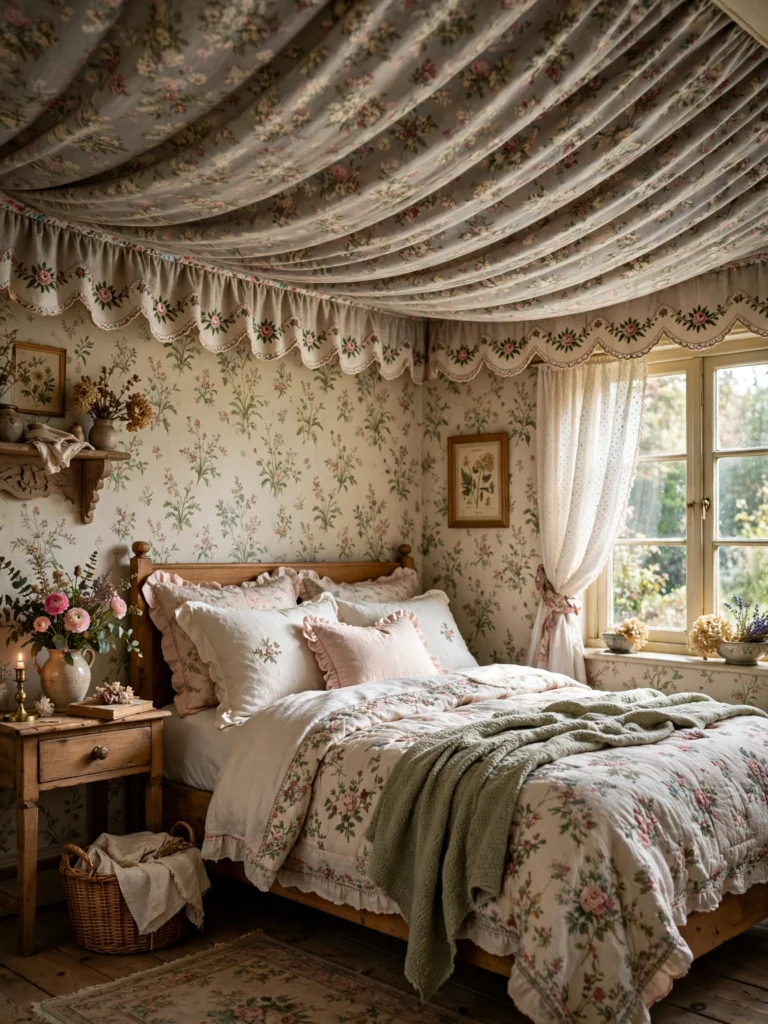
Each panel can be mounted on a lightweight frame before being installed, ensuring crisp, clean edges throughout the pattern. This technique works particularly well in entryways or living rooms where the ceiling serves as an unexpected design statement.
23. Removable Fabric Ceiling Panels for Renters
For renters or anyone hesitant to commit to a permanent installation, removable fabric ceiling panels offer all the visual benefits of this trend without any damage to the existing ceiling. These panels typically attach using tension rods, hooks, or adhesive strips designed to be removed cleanly.
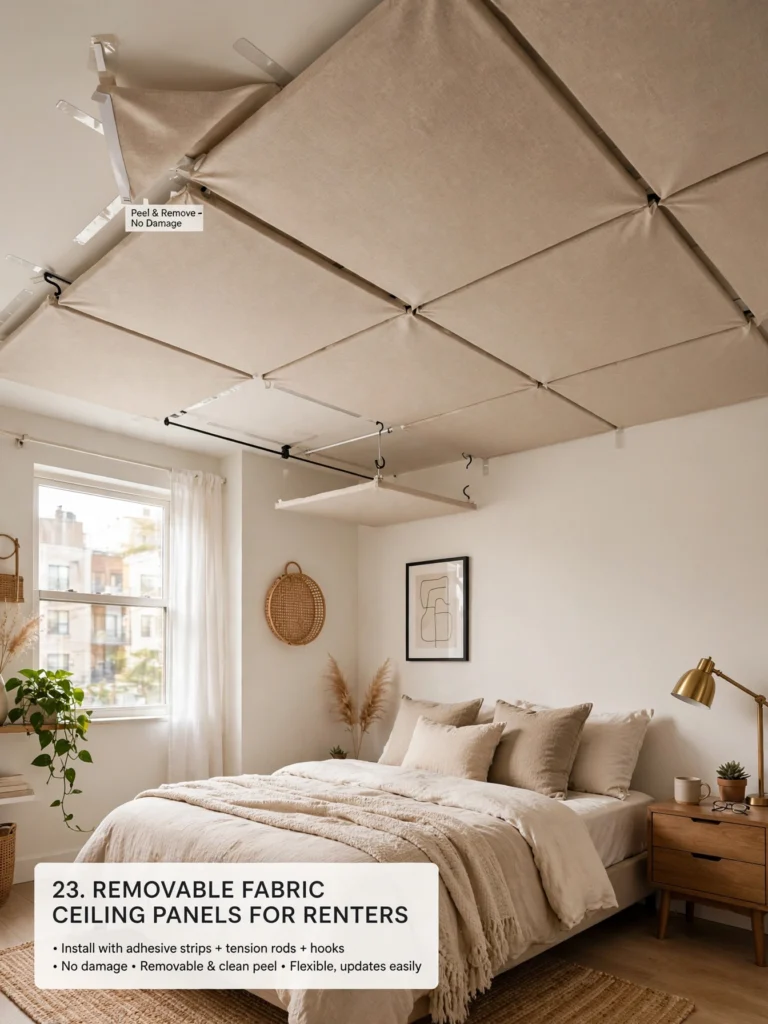
This flexible fabric ceiling installation method allows for easy updates or complete removal when moving. It’s an excellent entry point for anyone wanting to experiment with this design trend before committing to a more permanent, professionally installed version.