
Introduction
Contents
- 1 Introduction
- 1.1 1. Create a Lush Indoor Plant Corner
- 1.2 2. Maximize Natural Light
- 1.3 3. Incorporate Natural Wood Elements
- 1.4 4. Use Earthy, Nature-Inspired Colors
- 1.5 5. Add a Living Wall
- 1.6 6. Introduce Natural Textiles
- 1.7 7. Bring in Water Elements
- 1.8 8. Create Indoor-Outdoor Flow
- 1.9 9. Decorate with Botanical Art
- 1.10 10. Use Stone and Natural Surfaces
- 1.11 11. Design a Cozy Reading Nook by a Window
- 1.12 12. Add Organic Shapes and Curves
- 1.13 13. Incorporate Natural Scents
- 1.14 14. Install Skylights
- 1.15 15. Use Sustainable, Eco-Friendly Materials
- 1.16 16. Add a Small Indoor Herb Garden
- 1.17 17. Layer Natural Textures
- 1.18 18. Frame Beautiful Outdoor Views
- 2 Final Thoughts
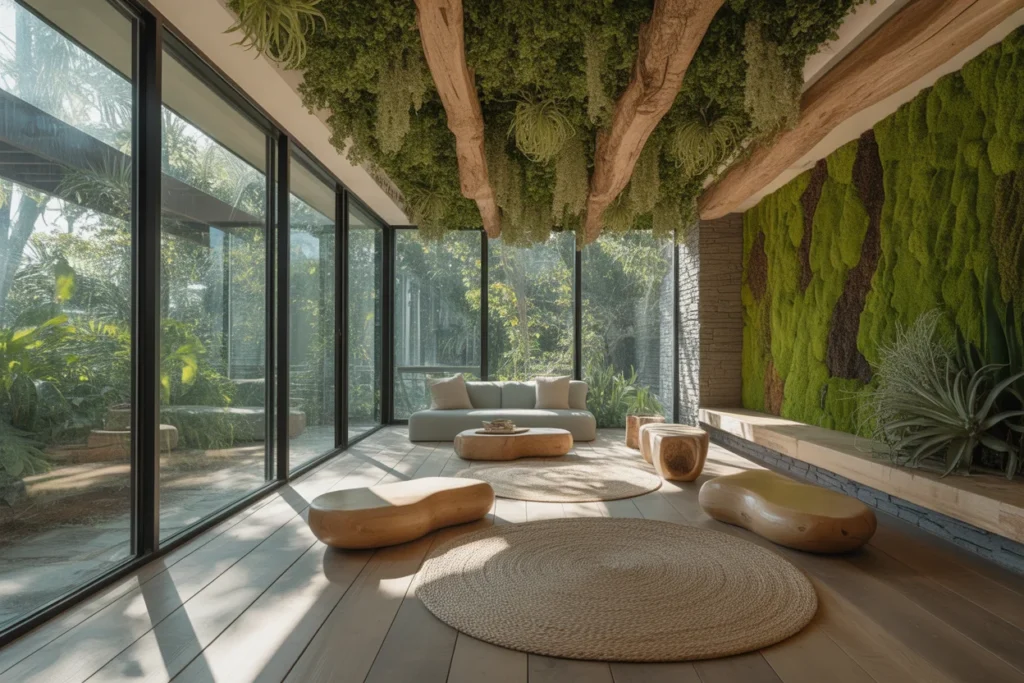
Biophilic design is all about reconnecting your home with nature in a way that feels effortless and calming. By blending organic textures, natural light, and living elements, you can create a space that nurtures both body and mind. These inspiring ideas will help you transform any room into a peaceful sanctuary that feels alive, grounded, and beautifully balanced.
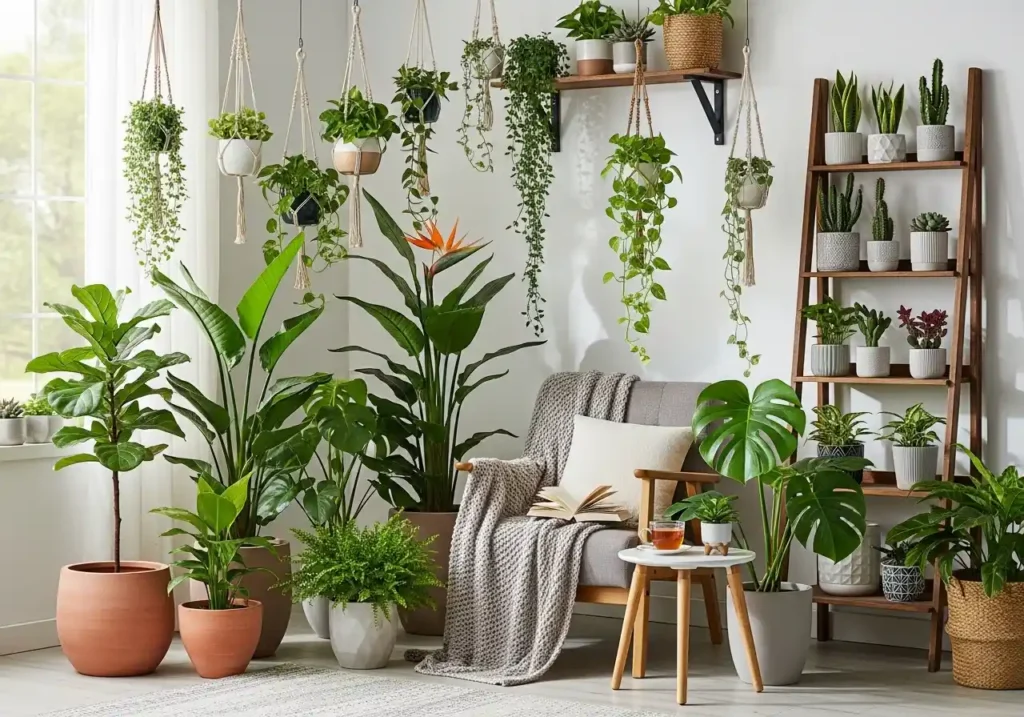
1. Create a Lush Indoor Plant Corner
Dedicate a corner of your home to a curated collection of indoor plants in varying heights and textures. Layer floor plants with tabletop greenery to add depth and dimension. This living vignette instantly brings freshness, improves air quality, and softens hard architectural lines.
2. Maximize Natural Light
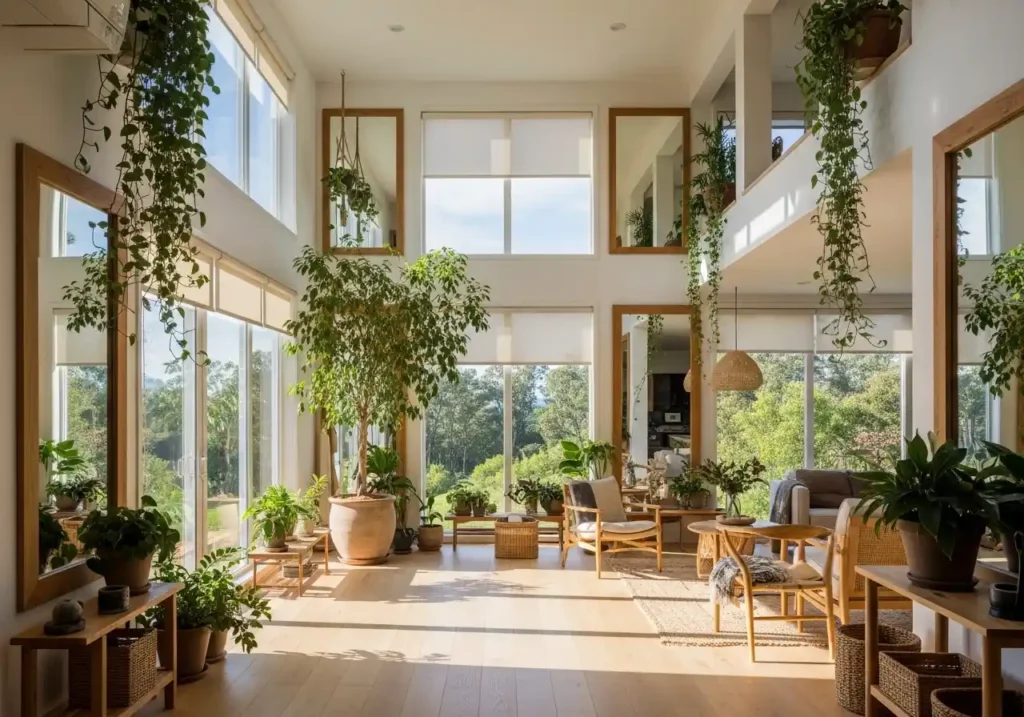
Open up curtains, install sheer drapes, or reposition mirrors to reflect sunlight throughout your space. Natural light enhances mood and makes rooms feel expansive and energized. The more daylight you invite in, the more connected your home feels to the outdoors.
3. Incorporate Natural Wood Elements
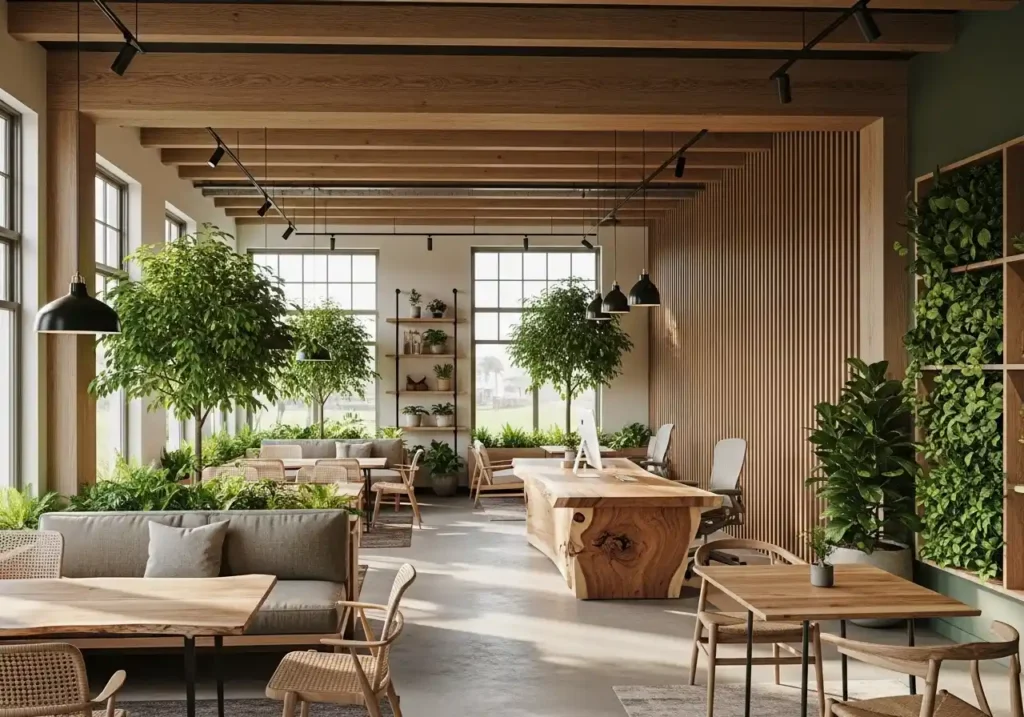
Choose furniture, shelving, or accent walls in raw or lightly finished wood. The visible grain and warm tones add organic richness and tactile comfort. Even small wooden decor pieces can ground a modern space with earthy authenticity.
4. Use Earthy, Nature-Inspired Colors
Decorate with shades like sage green, terracotta, sandy beige, and soft sky blue. These hues mimic landscapes and create a soothing visual flow. A nature-based palette helps establish harmony and calm in every room.
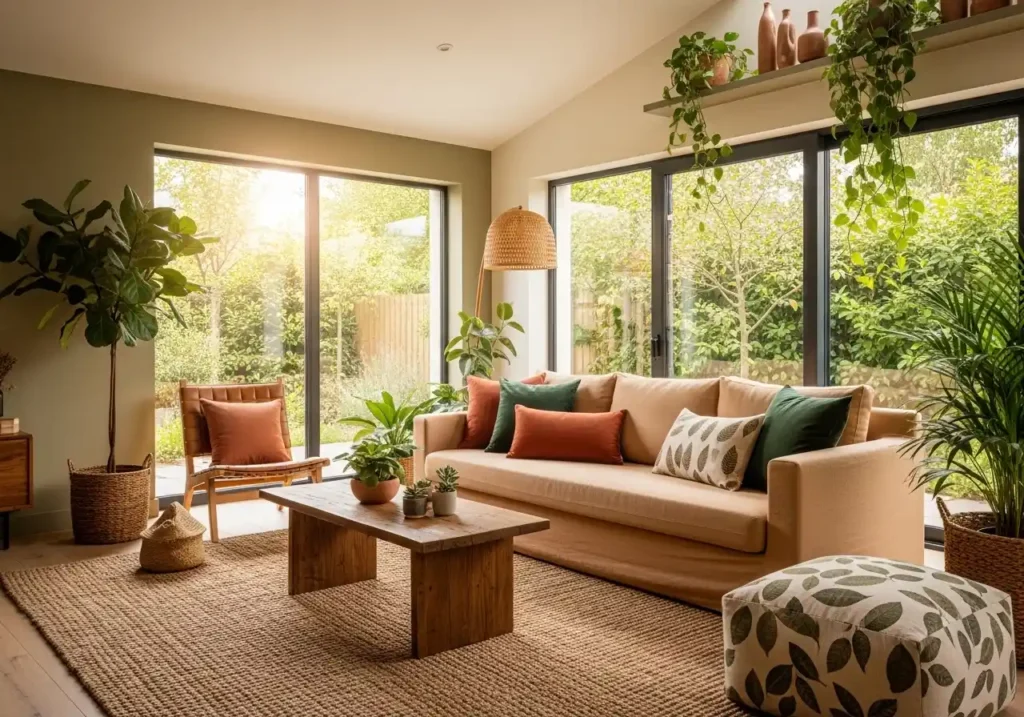
5. Add a Living Wall
Install a vertical garden to turn a blank wall into a vibrant focal point. Living walls add dramatic texture while maximizing greenery in smaller spaces. They create a refreshing, immersive nature experience indoors.
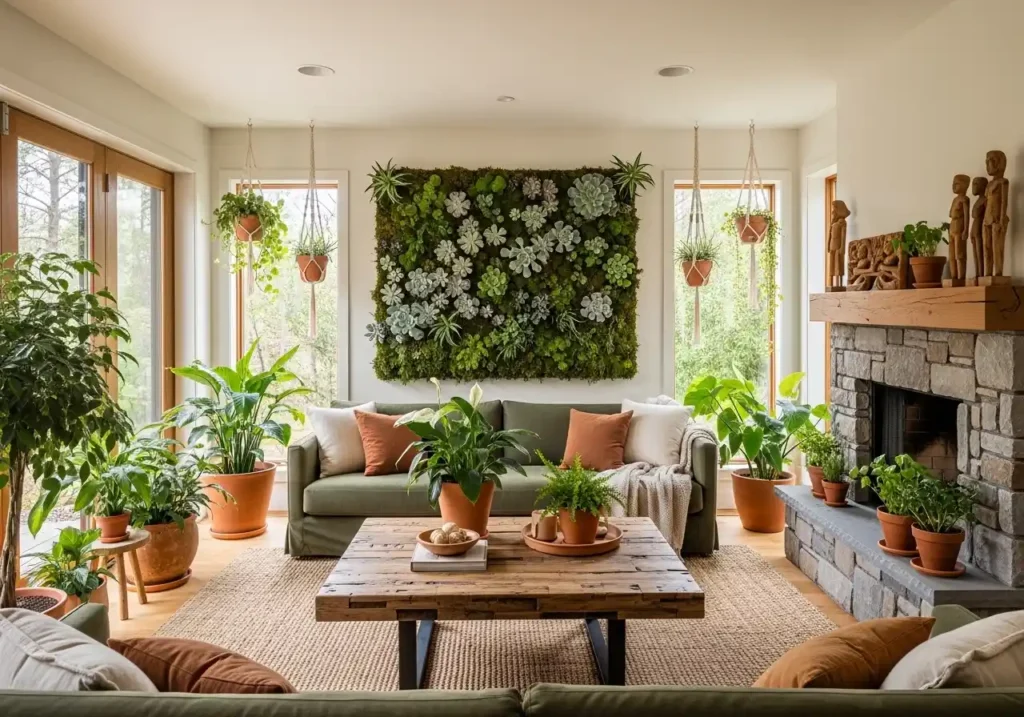
6. Introduce Natural Textiles
Opt for linen, cotton, wool, or jute in your upholstery, rugs, and curtains. These breathable materials add softness and authenticity to your design. Their subtle imperfections enhance the organic feel of a biophilic space.
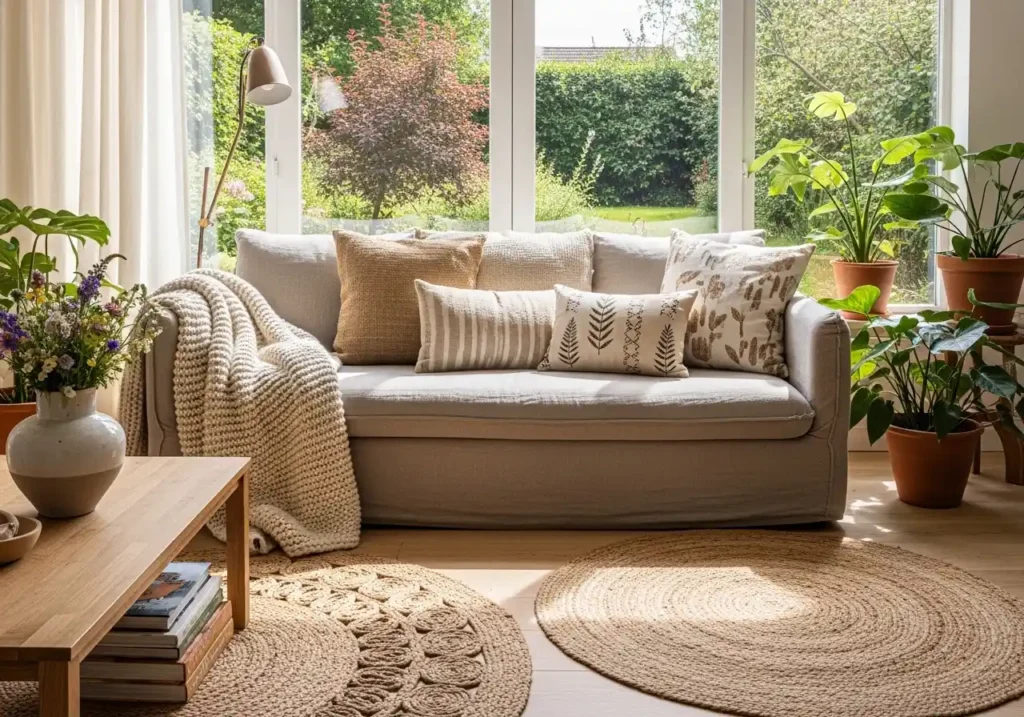
7. Bring in Water Elements
A small tabletop fountain or indoor water feature adds gentle, soothing sound. The movement of water introduces a dynamic, calming sensory layer. This subtle addition can transform your home into a spa-like retreat.
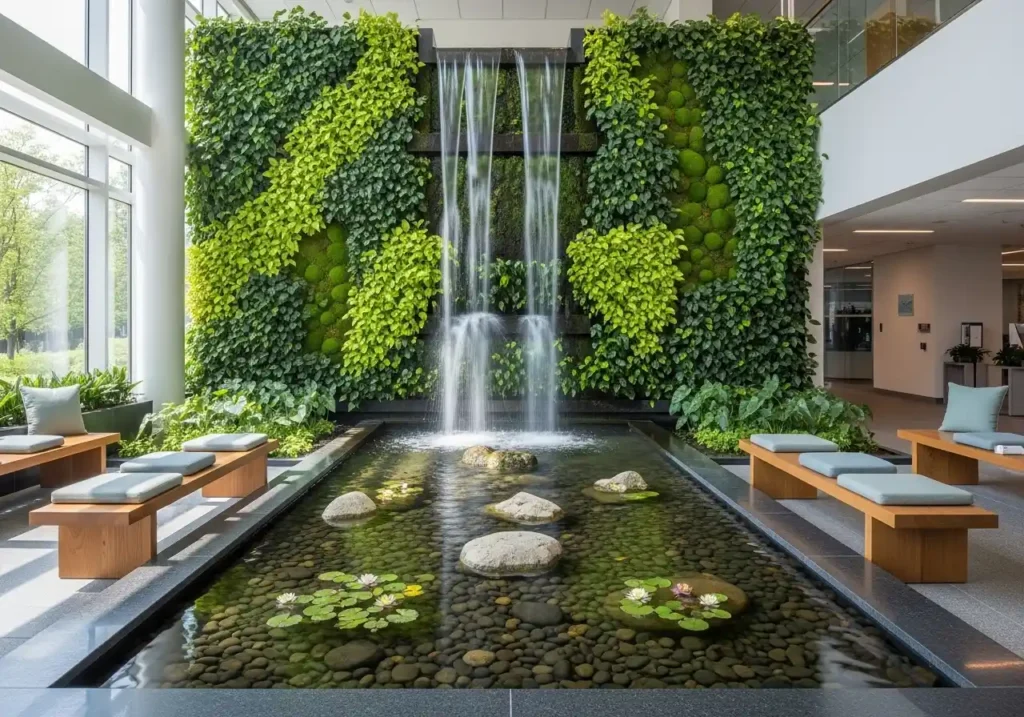
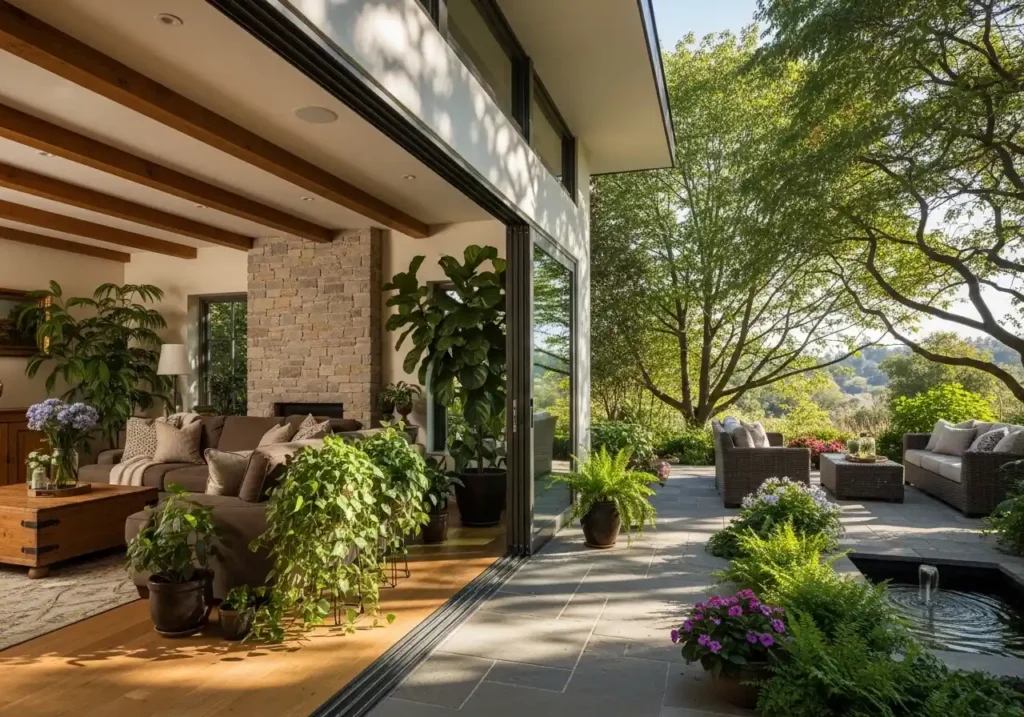
8. Create Indoor-Outdoor Flow
Blur boundaries with sliding glass doors, large windows, or coordinated patio decor. Repeating colors and materials inside and outside creates visual continuity. This seamless connection expands your living space naturally.
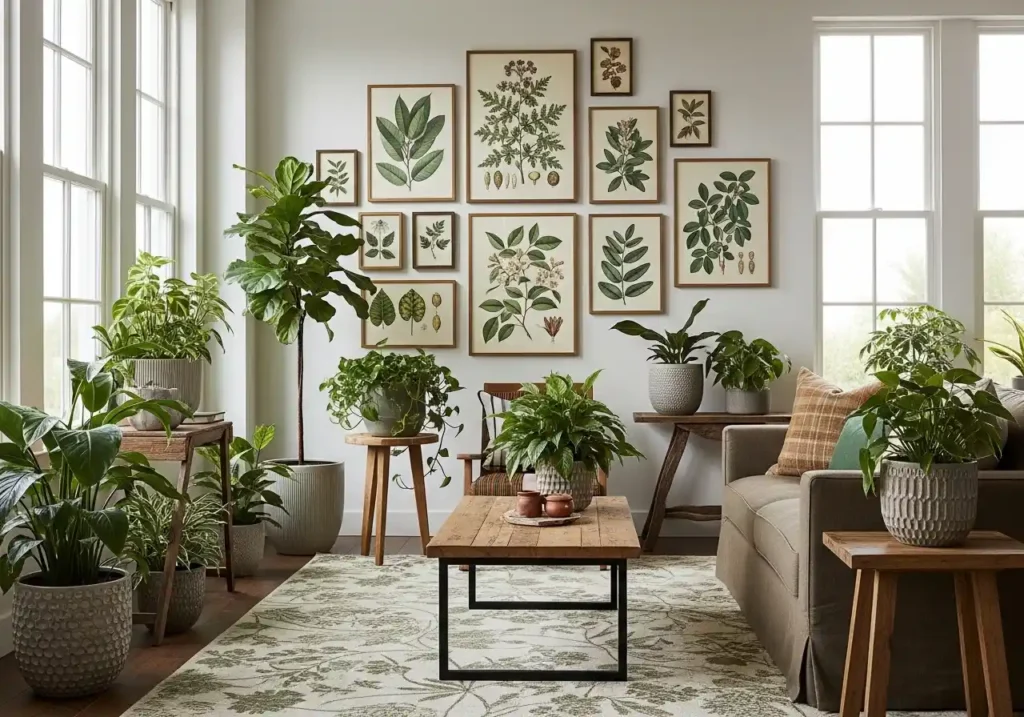
9. Decorate with Botanical Art
Frame nature photography, pressed flowers, or botanical illustrations. Artwork inspired by plants and landscapes reinforces biophilic themes without requiring maintenance. It’s a simple way to layer in organic beauty.
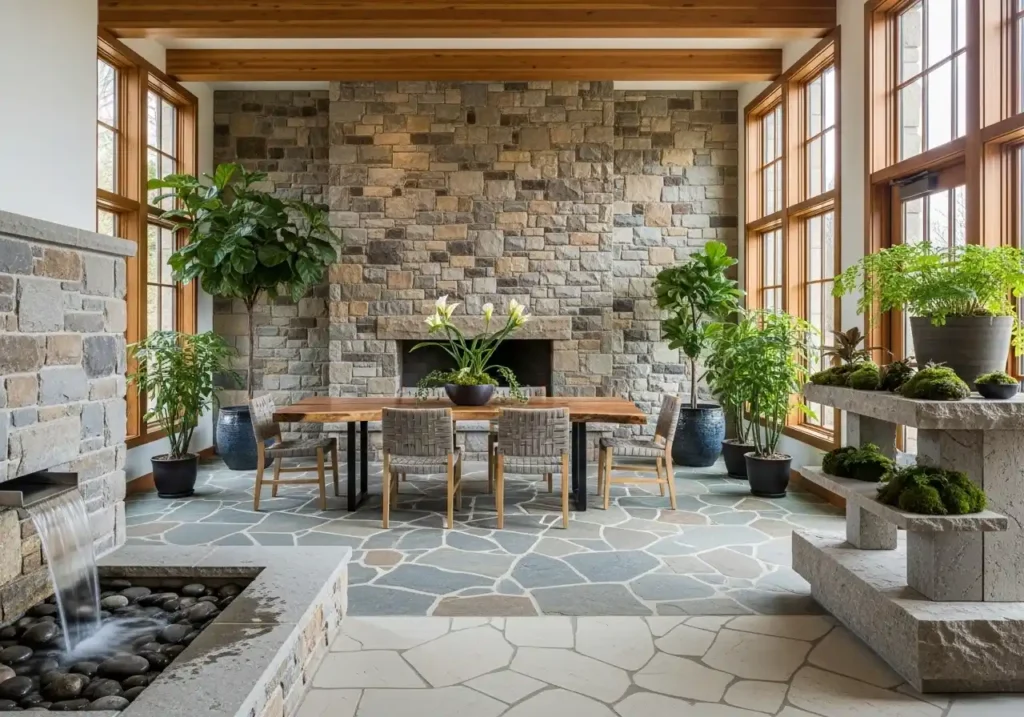
10. Use Stone and Natural Surfaces
Incorporate marble, slate, travertine, or pebble accents in kitchens and bathrooms. The raw texture of stone adds timeless elegance and tactile interest. Natural surfaces create a grounded, elemental atmosphere.
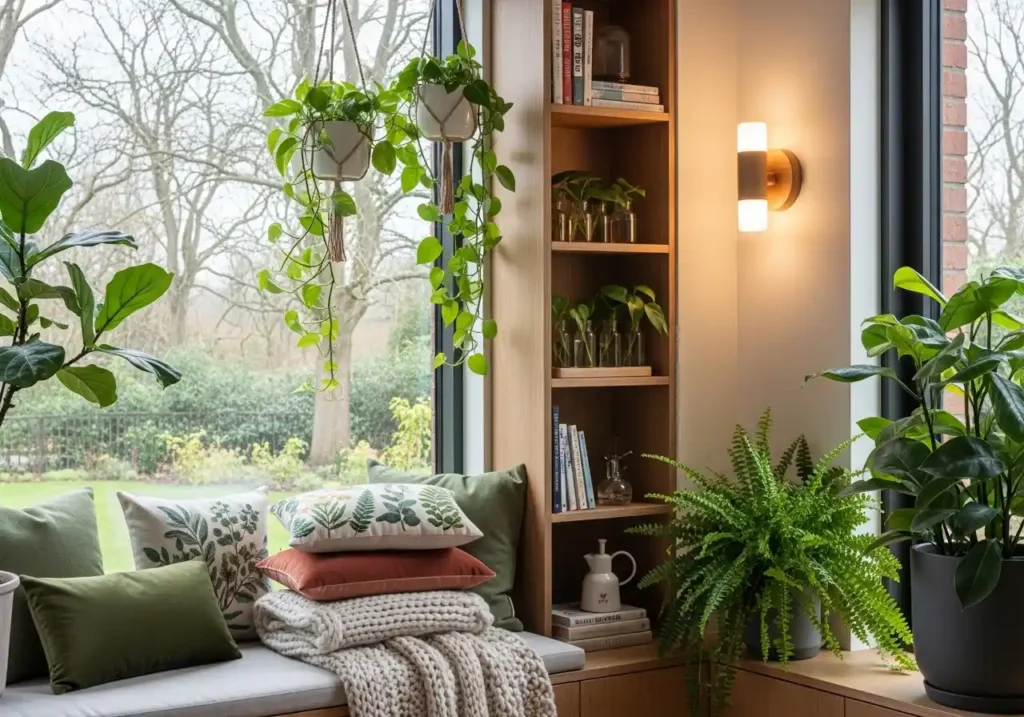
11. Design a Cozy Reading Nook by a Window
Position a comfortable chair near a window with soft lighting and plants nearby. Access to outdoor views enhances relaxation and focus. This intimate corner becomes a peaceful escape within your home.
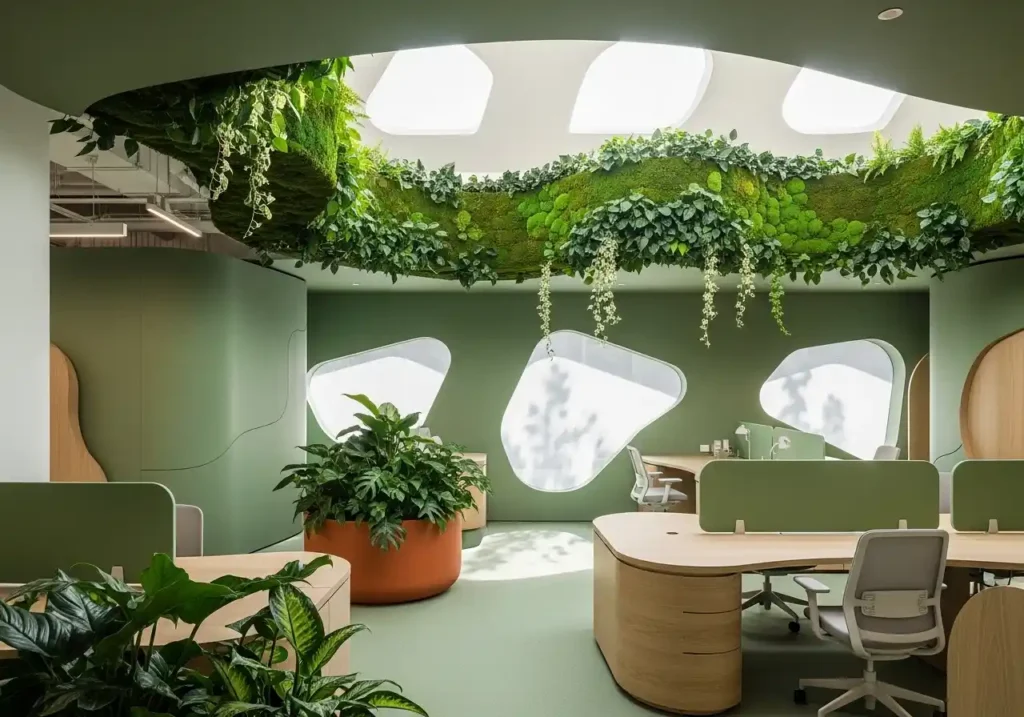
12. Add Organic Shapes and Curves
Choose furniture and decor with rounded edges and flowing silhouettes. Curved forms mimic patterns found in nature, reducing visual harshness. These softer lines create a welcoming, harmonious environment.
13. Incorporate Natural Scents
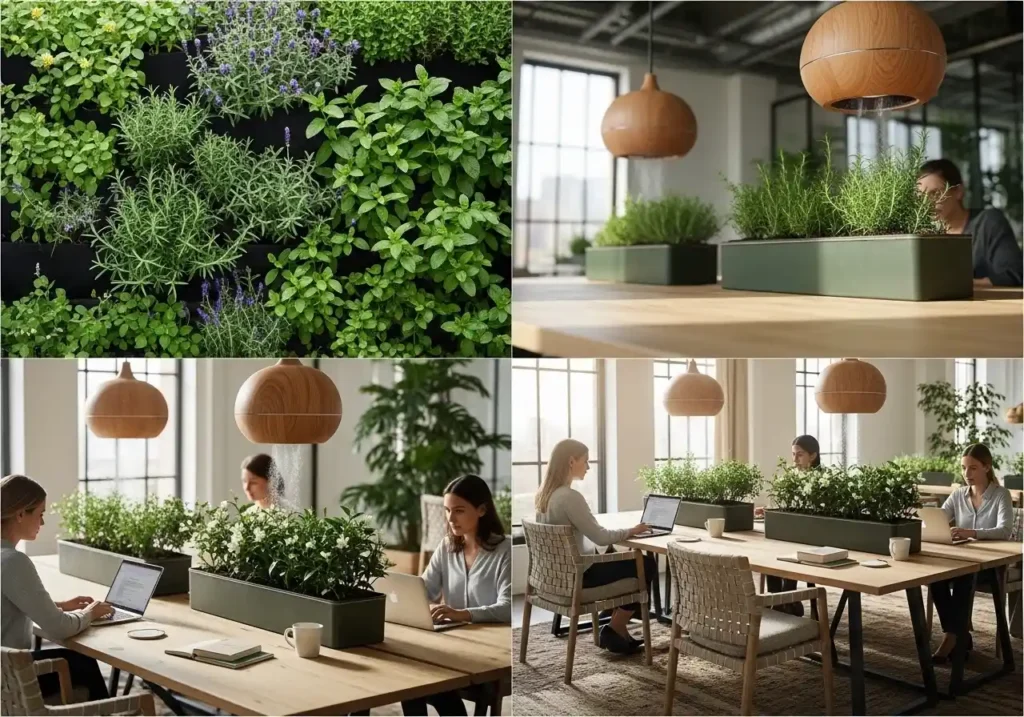
Use essential oil diffusers with scents like eucalyptus, cedarwood, or lavender. Fragrance deepens the sensory connection to nature. Subtle natural aromas elevate the atmosphere and encourage relaxation.
14. Install Skylights
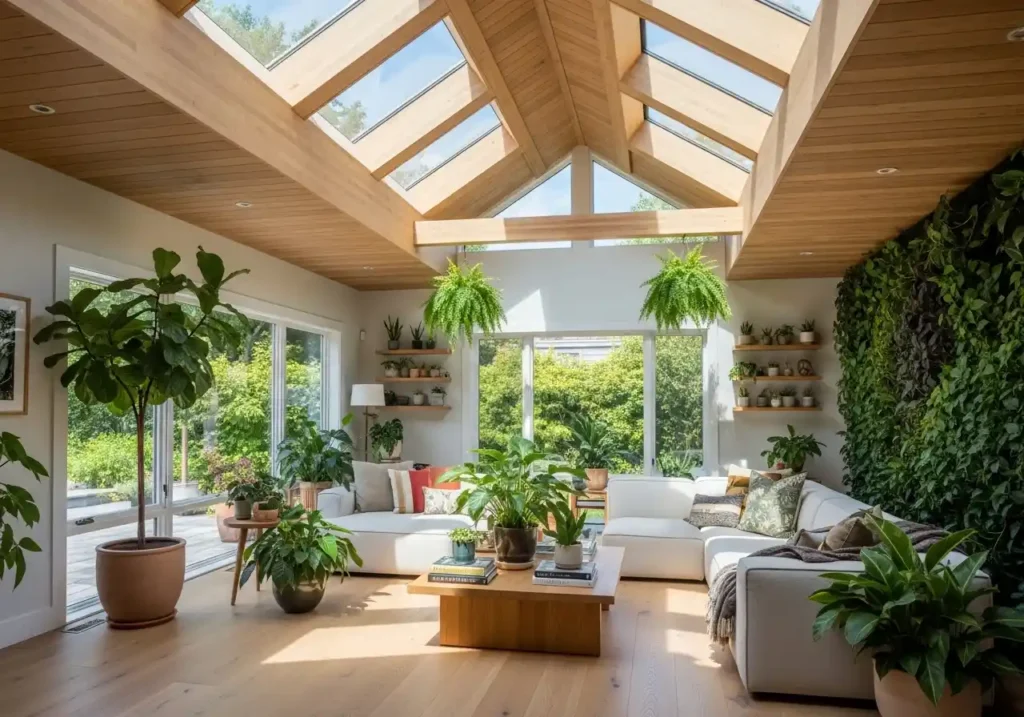
Skylights flood interiors with overhead daylight and create ever-changing light patterns. Watching clouds drift by enhances mindfulness and calm. This architectural feature dramatically strengthens your connection to the sky.
15. Use Sustainable, Eco-Friendly Materials
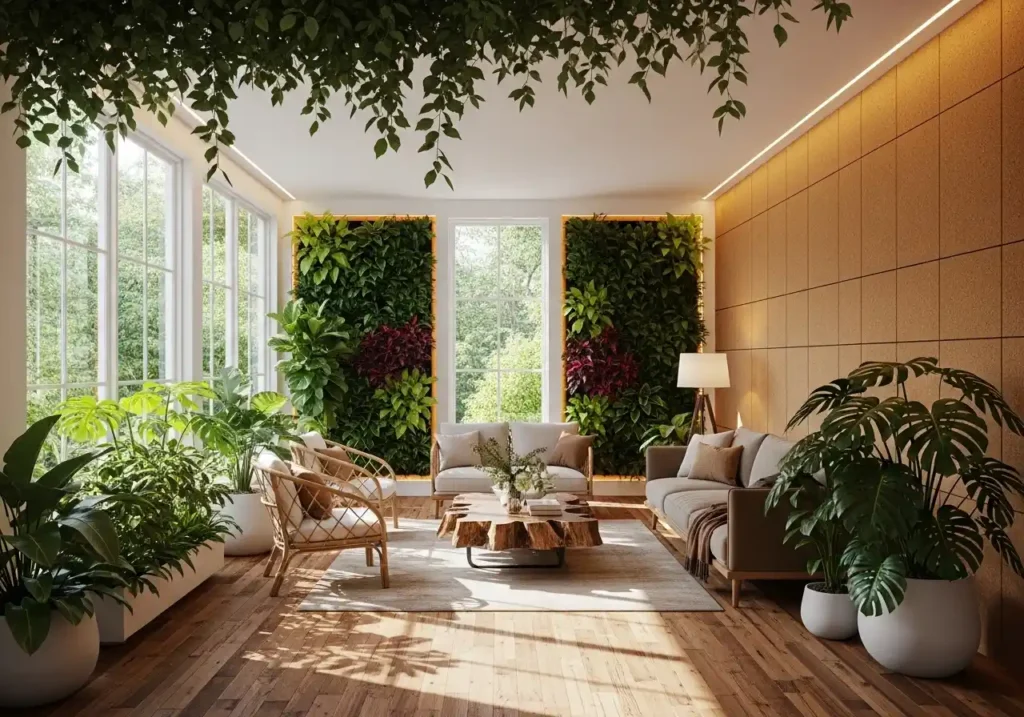
Choose recycled, reclaimed, or responsibly sourced materials whenever possible. Sustainability reinforces the core philosophy of biophilic design. Eco-conscious choices make your sanctuary feel intentional and aligned with nature.
16. Add a Small Indoor Herb Garden
Grow fresh herbs on your kitchen windowsill for beauty and functionality. The greenery adds life while providing fresh ingredients for cooking. Caring for edible plants strengthens your everyday bond with nature.

17. Layer Natural Textures
Combine rattan, bamboo, clay, and woven baskets throughout your decor. Layered textures add warmth and visual richness without clutter. The tactile variety creates depth and authenticity.
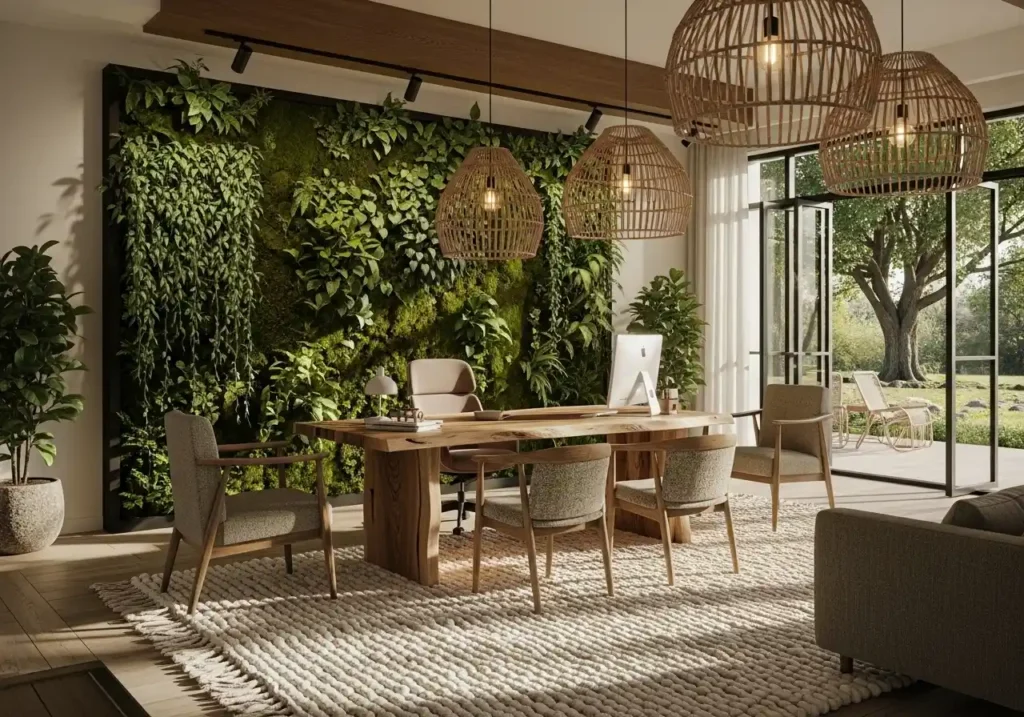
18. Frame Beautiful Outdoor Views
Arrange furniture to highlight gardens, trees, or scenic landscapes outside. Even a simple tree view can serve as living artwork. Making nature the focal point instantly elevates your interior design.

Final Thoughts
Biophilic design isn’t about a complete renovation—it’s about intentionally weaving nature into your everyday surroundings. Small, thoughtful changes can dramatically shift how your home feels and functions. By embracing these ideas, you’ll create a living, breathing sanctuary that supports well-being, creativity, and calm every single day.