
Introduction
Contents
- 1 Introduction
- 1.1 1. Embrace Natural Materials
- 1.2 2. Celebrate Imperfections
- 1.3 3. Use a Muted, Earthy Palette
- 1.4 4. Keep Furniture Simple and Functional
- 1.5 5. Incorporate Handmade Decor
- 1.6 6. Highlight Natural Light
- 1.7 7. Add Organic Shapes
- 1.8 8. Practice Thoughtful Minimalism
- 1.9 9. Use Textured Fabrics
- 1.10 10. Incorporate Aged or Vintage Pieces
- 1.11 11. Bring Nature Indoors
- 1.12 12. Choose Matte Finishes
- 1.13 13. Create Quiet Corners
- 1.14 14. Display Items Sparingly
- 1.15 15. Let Time Shape Your Space
- 2 Final Thoughts
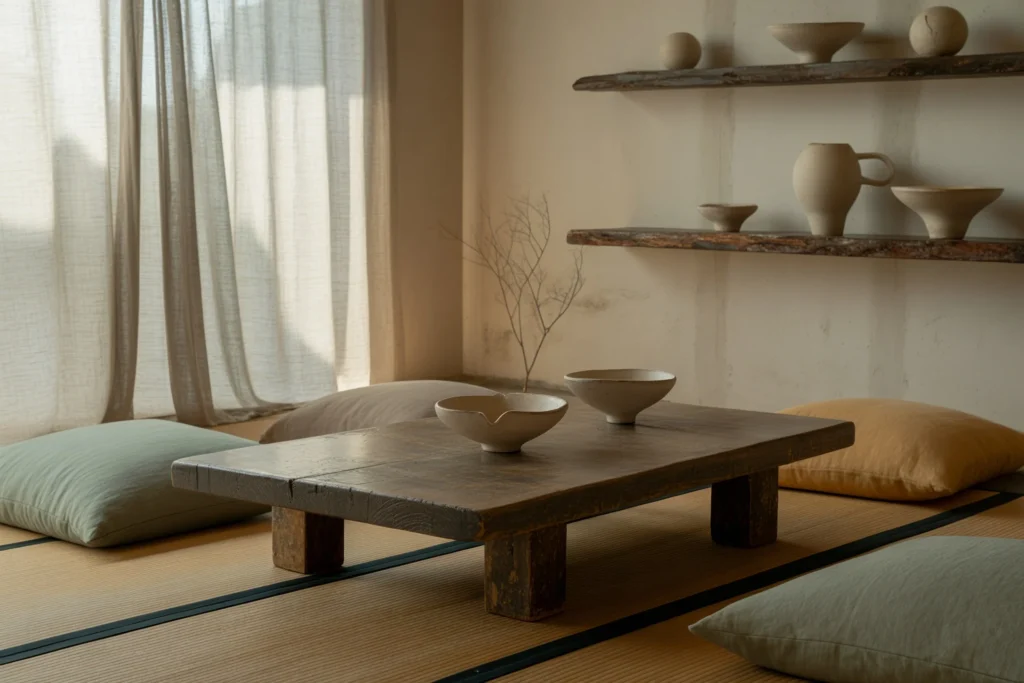
Wabi-sabi is a Japanese design philosophy that finds beauty in imperfection, simplicity, and the natural passage of time. Instead of chasing flawless finishes and trendy decor, it embraces authenticity, texture, and quiet minimalism. A wabi-sabi home feels calm, grounded, and deeply personal. If you’re craving a peaceful space that celebrates character over perfection, these ideas will inspire your transformation.
1. Embrace Natural Materials
Choose raw, organic materials like wood, linen, clay, and stone throughout your home. These elements age gracefully and develop character over time. Visible grain, knots, and irregular textures enhance the wabi-sabi aesthetic. The goal is to let materials tell their own story.

2. Celebrate Imperfections
Instead of hiding cracks, chips, or patina, allow them to become part of your decor. Imperfections add authenticity and depth to a space. A slightly uneven ceramic vase or worn wooden table feels more meaningful than something factory-perfect. Beauty lies in the imperfect details.
3. Use a Muted, Earthy Palette
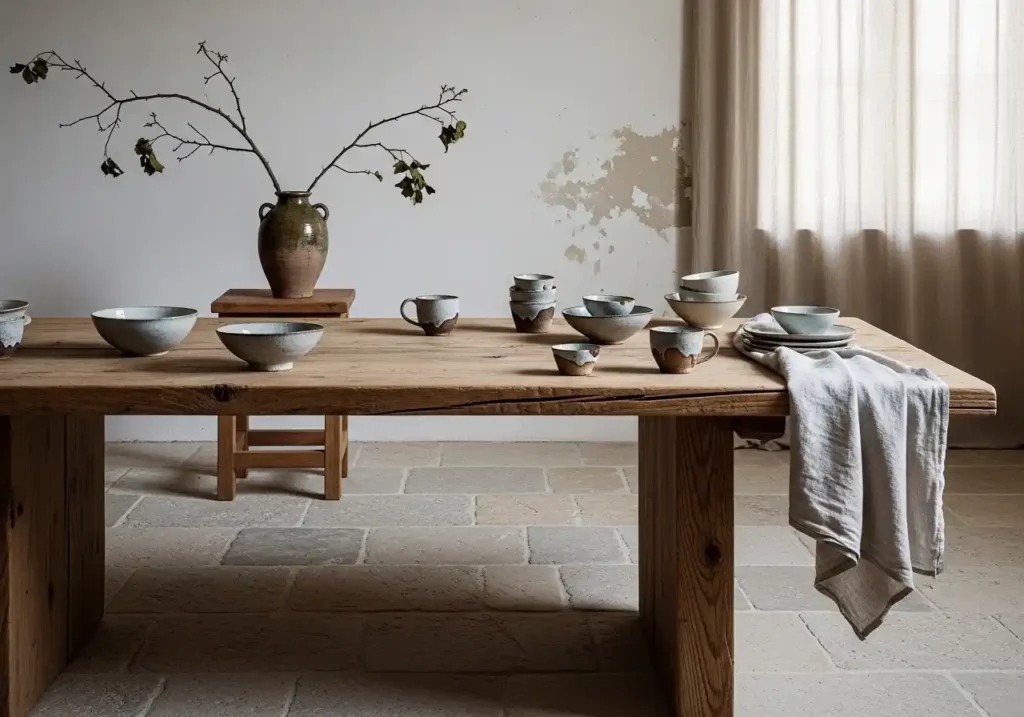
Stick to soft neutrals and earthy tones like beige, taupe, warm gray, and clay. These calming shades create a serene and grounded atmosphere. Subtle color variations feel natural and effortless. The palette should evoke a sense of quiet harmony.

4. Keep Furniture Simple and Functional
Opt for clean-lined furniture with minimal ornamentation. Pieces should feel sturdy, practical, and timeless rather than trendy. Low-profile seating and solid wood tables work beautifully in this style. Function always comes before excess decoration.
5. Incorporate Handmade Decor
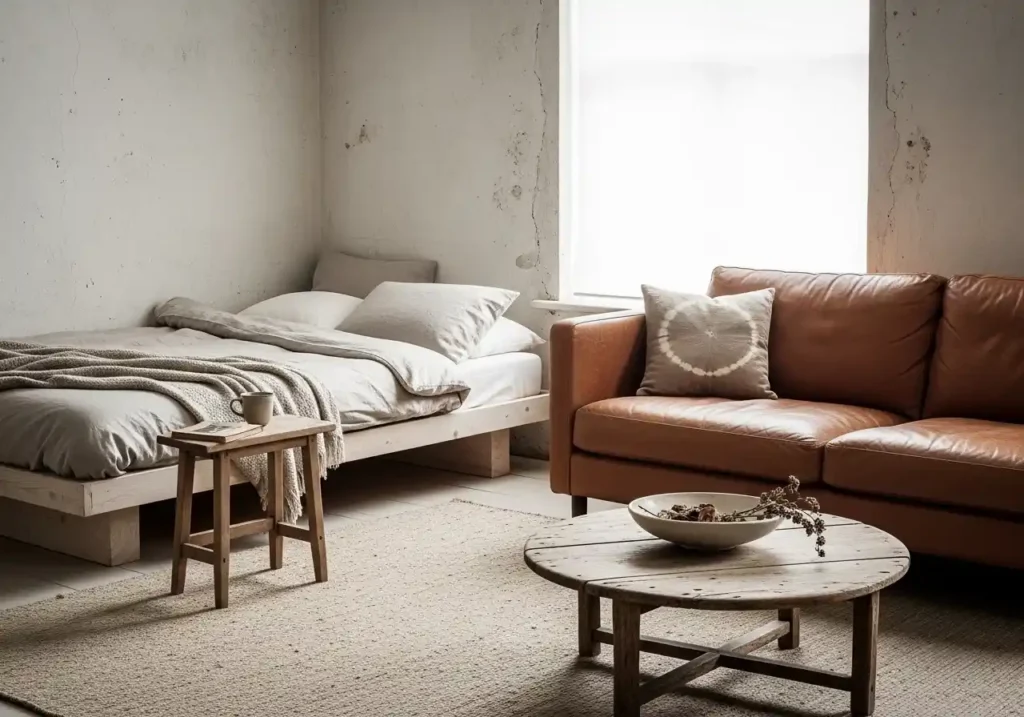
Handcrafted ceramics, woven baskets, and artisan-made textiles bring warmth to your home. Handmade pieces often feature slight irregularities that add charm. They reflect human touch and intentional craftsmanship. This authenticity enhances the soul of the space.
6. Highlight Natural Light
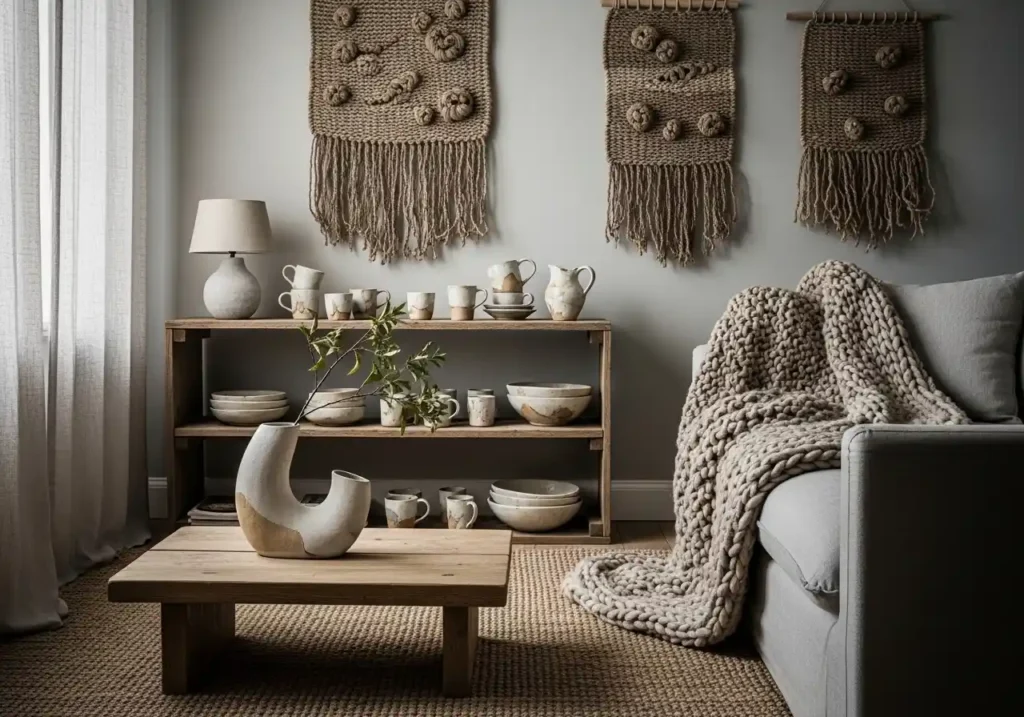
Allow as much natural light in as possible to create a soft, tranquil environment. Sheer curtains or bare windows help maintain an airy feel. Gentle light enhances textures and organic surfaces. The result is a space that feels calm and open.
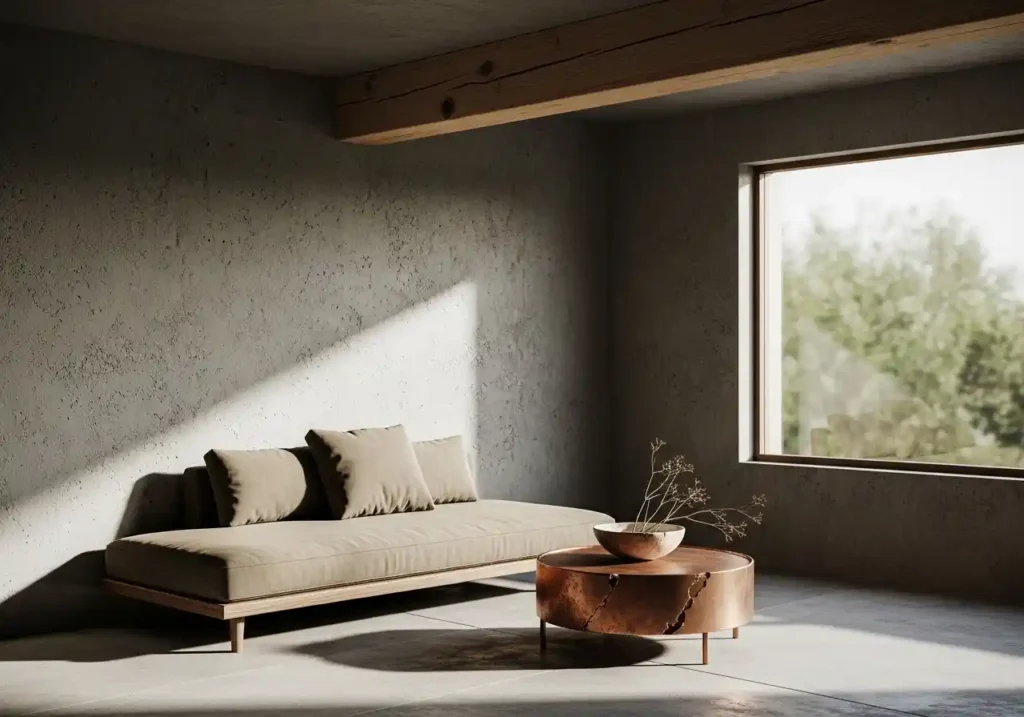
7. Add Organic Shapes
Curved silhouettes and irregular forms feel more natural than sharp, rigid lines. Choose decor and furniture with soft edges and asymmetrical designs. These shapes mimic nature and create visual ease. Imperfect symmetry adds subtle interest.
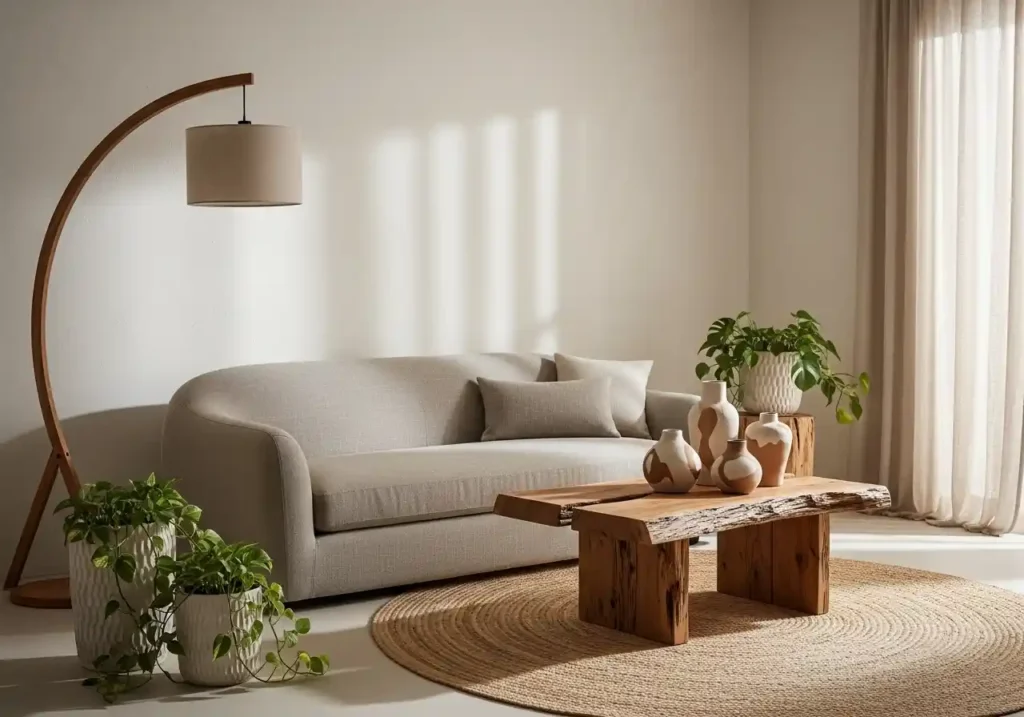
8. Practice Thoughtful Minimalism
Declutter your space and keep only what is meaningful or useful. Wabi-sabi minimalism is about intentional living, not stark emptiness. Each item should serve a purpose or hold sentimental value. Simplicity allows the room to breathe.
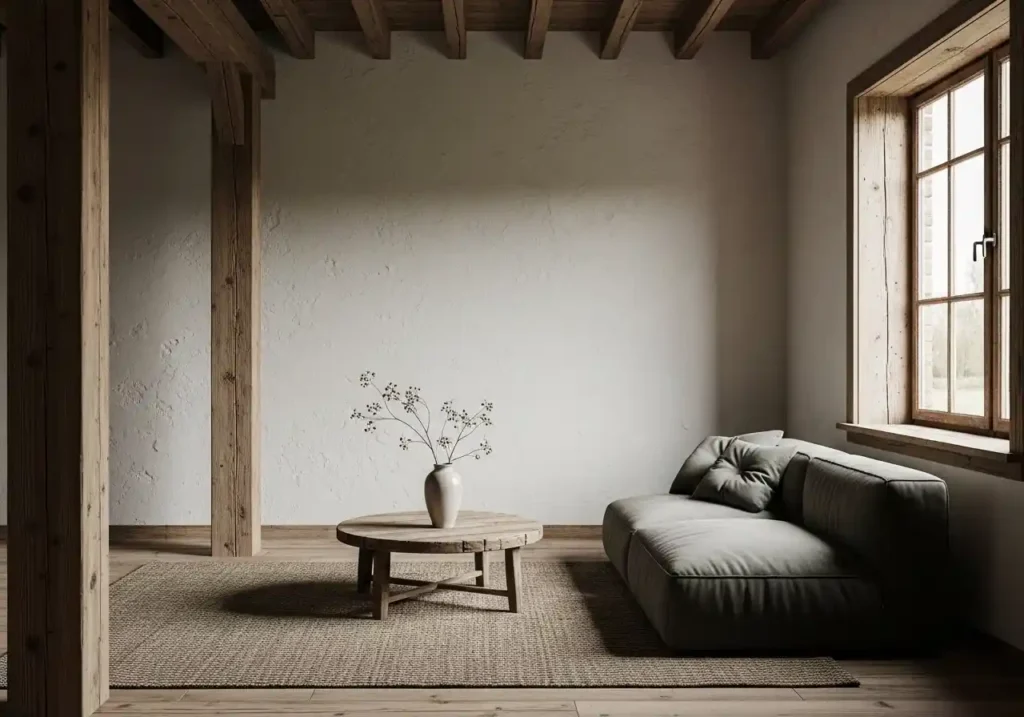
9. Use Textured Fabrics
Layer natural textiles like linen, cotton, and wool to add warmth. Texture creates depth without overwhelming the room. Slightly rumpled bedding or relaxed slipcovers enhance the lived-in feel. Comfort and softness are key elements.
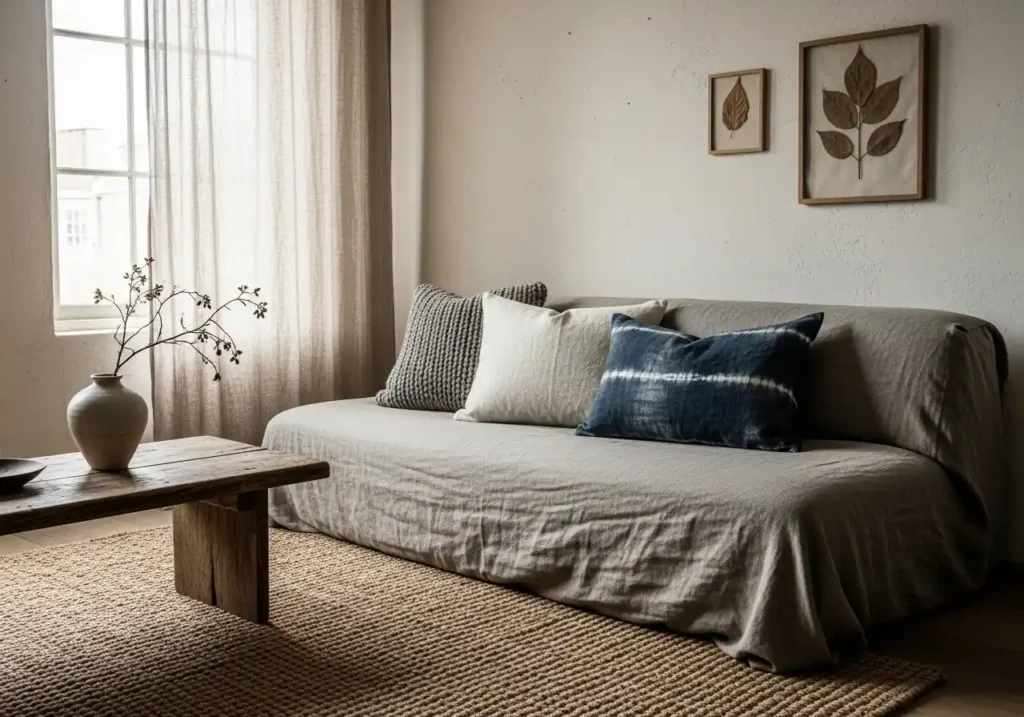
10. Incorporate Aged or Vintage Pieces
Vintage furniture or decor with visible wear fits beautifully into a wabi-sabi home. These pieces carry history and personality. Scratches, faded finishes, and patina contribute to their charm. Mixing old and new keeps the space authentic.
11. Bring Nature Indoors
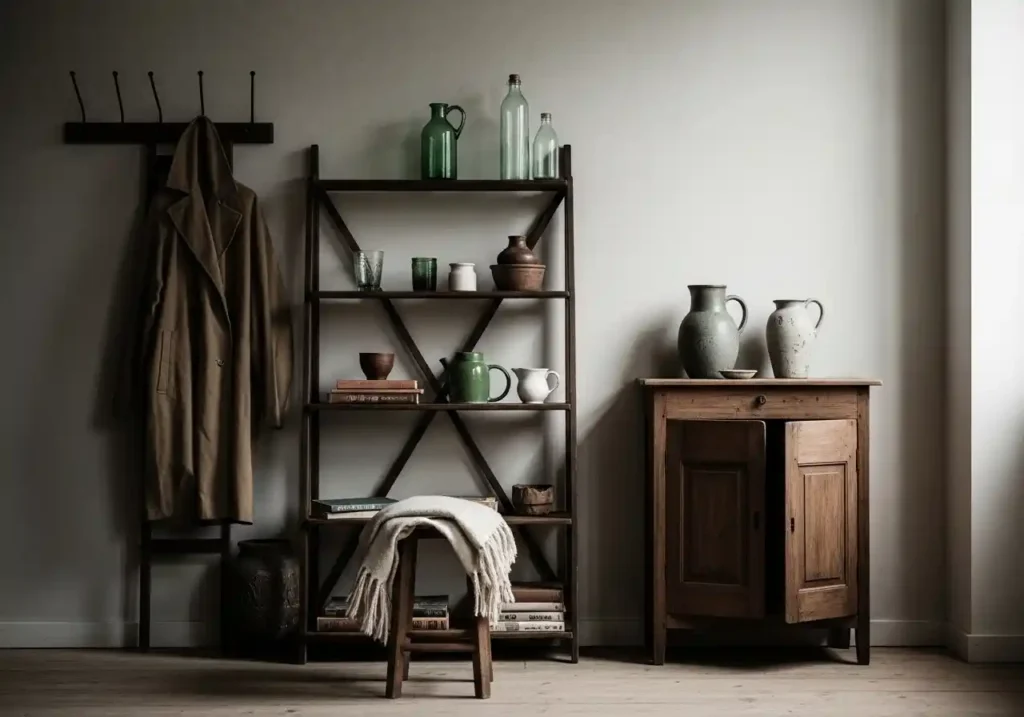
Add simple greenery like branches, dried flowers, or potted plants. Organic elements reinforce the connection to nature. Avoid overly styled arrangements and keep displays minimal. Natural imperfections in plants enhance the aesthetic.

12. Choose Matte Finishes
Glossy, high-shine surfaces can feel too polished for wabi-sabi interiors. Instead, opt for matte finishes on walls, furniture, and decor. Soft, muted surfaces feel more organic and understated. They also highlight texture beautifully.
13. Create Quiet Corners
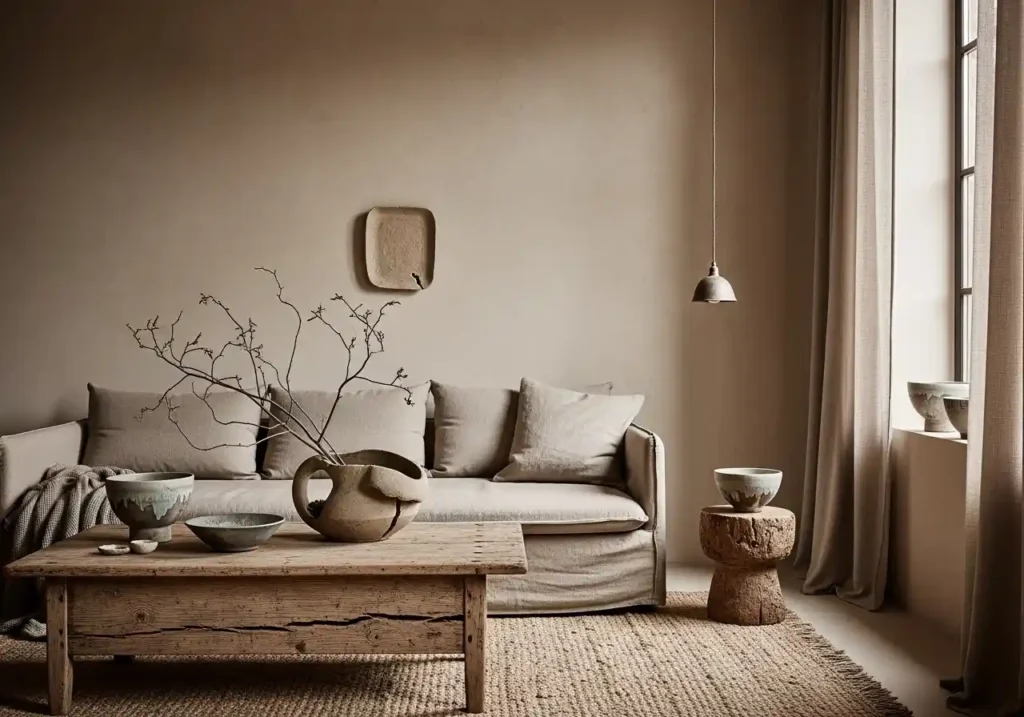
Design small, peaceful nooks for reflection or relaxation. A simple chair, soft throw, and natural light are often enough. These spaces encourage slowing down and being present. Calm corners embody the spirit of wabi-sabi living.
14. Display Items Sparingly
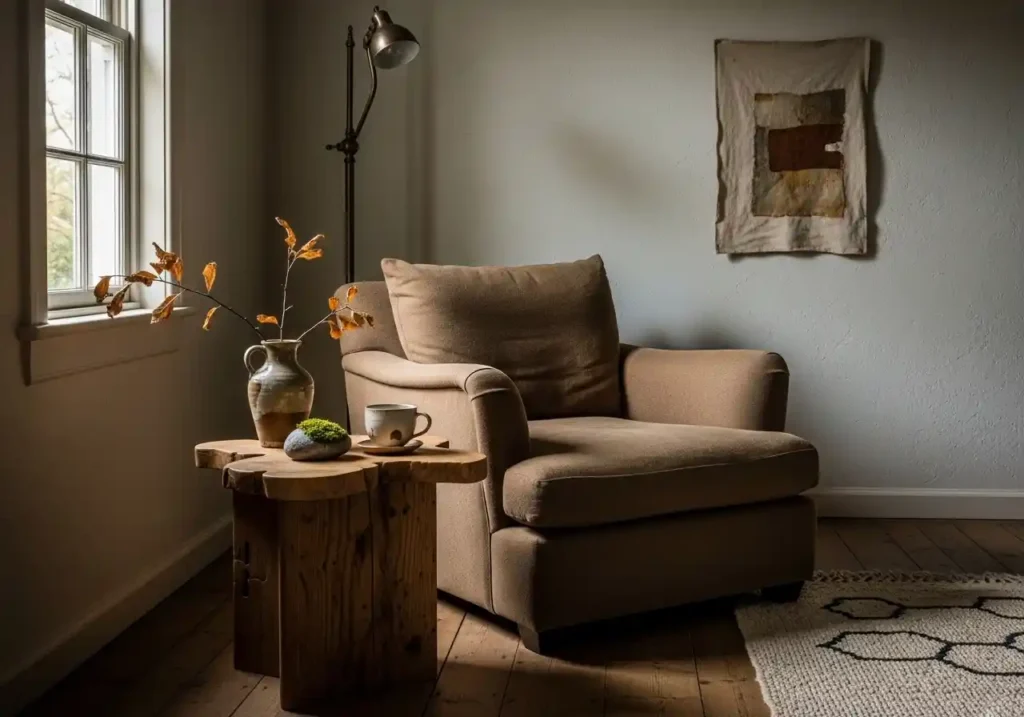
Avoid overcrowding shelves and surfaces with decor. Leave breathing room around objects to emphasize their importance. Negative space plays a powerful role in this design philosophy. Simplicity enhances appreciation.
15. Let Time Shape Your Space
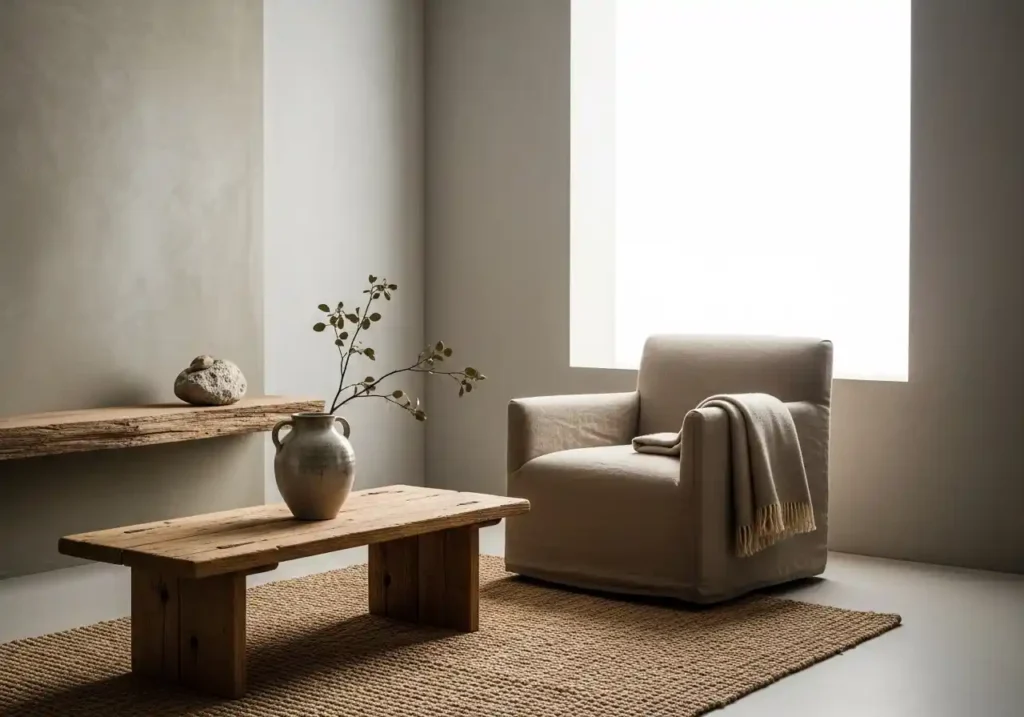
Allow your home to evolve naturally rather than striving for constant updates. Materials will age, fabrics will soften, and surfaces will develop character. Accepting change is central to wabi-sabi. A lived-in home feels warmer and more meaningful.
Final Thoughts
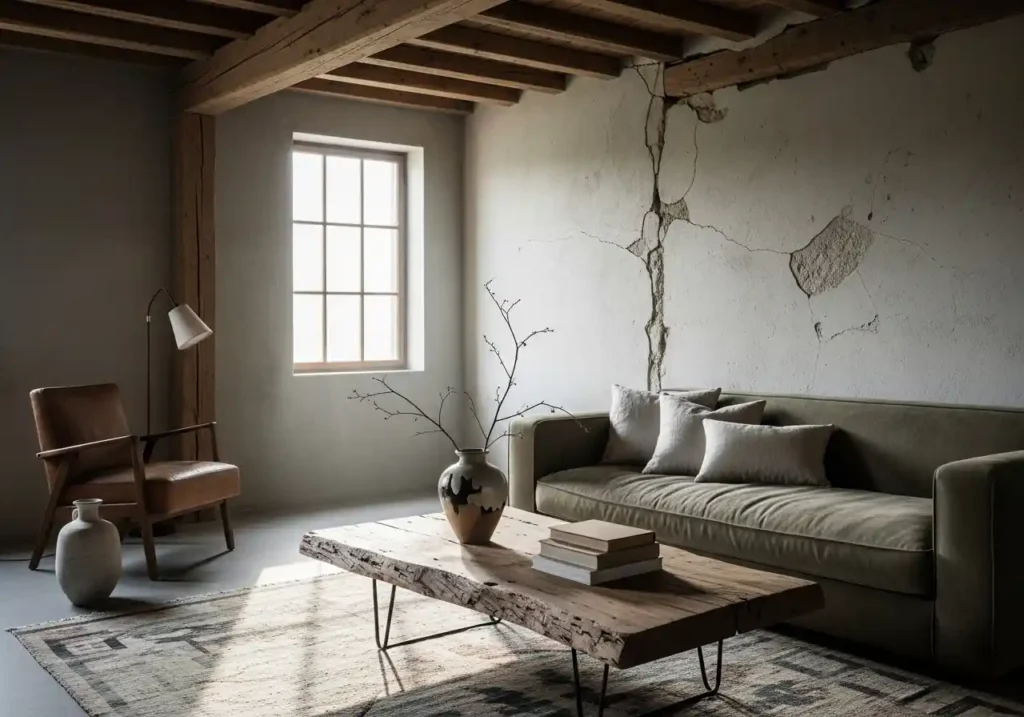
Wabi-sabi interior design invites you to slow down and appreciate the imperfect beauty around you. By embracing natural materials, muted colors, and meaningful simplicity, you can create a home that feels calm and authentic. It’s not about perfection—it’s about presence and intention. When you let go of flawless expectations, your space becomes a true reflection of peaceful, beautifully imperfect living.