
Introduction.
Contents
- 1 Introduction.
- 1.1 1. Picture Windows
- 1.2 2. Bay Windows
- 1.3 3. Bow Windows
- 1.4 4. Casement Windows
- 1.5 5. Awning Windows
- 1.6 6. Sliding Windows
- 1.7 7. Double-Hung Windows
- 1.8 8. Single-Hung Windows
- 1.9 9. Egress Windows
- 1.10 10. Frosted Glass Windows
- 1.11 11. Hopper Windows
- 1.12 12. Awning Bathroom Windows
- 1.13 13. Picture and Casement Combo
- 1.14 14. Floor-to-Ceiling Windows
- 1.15 15. Tilt-and-Turn Windows
- 1.16 16. Corner Windows
- 1.17 17. Glass Block Windows
- 1.18 18. Sliding Basement Windows
- 2 Entryways and Hallways
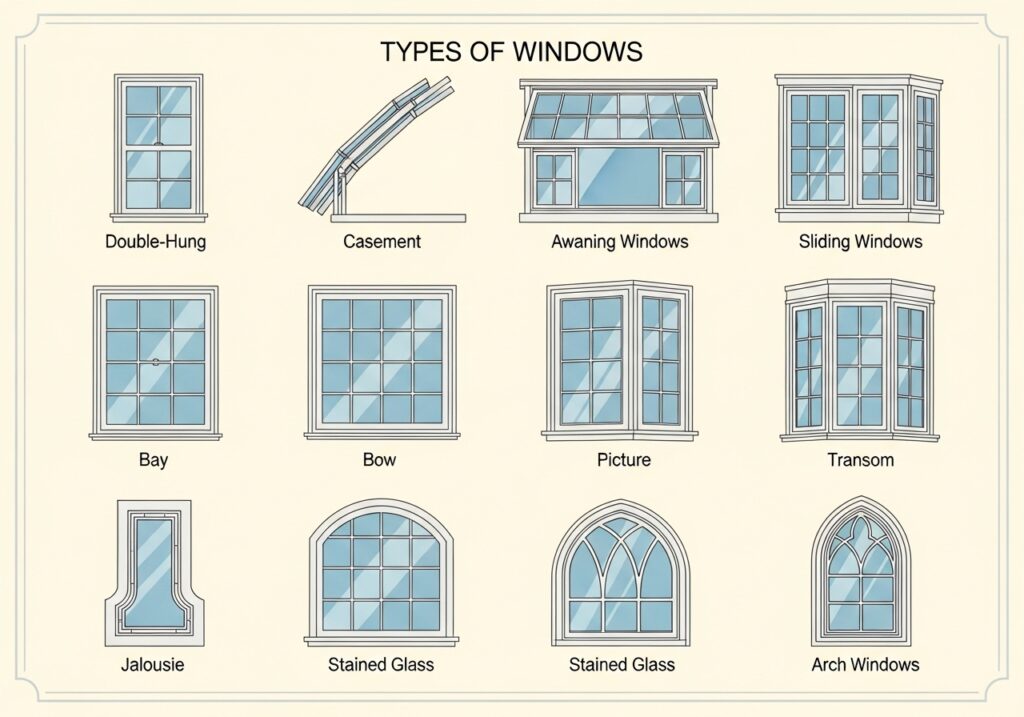
Choosing windows often feels like guessing. Too many styles. Too many names. And every room asks for something different. Light here. Privacy there. Airflow everywhere. This guide clears the fog and shows which window works best in each room, using smart Window Upgrade Ideas, so your home feels right instead of patched together.
1. Picture Windows
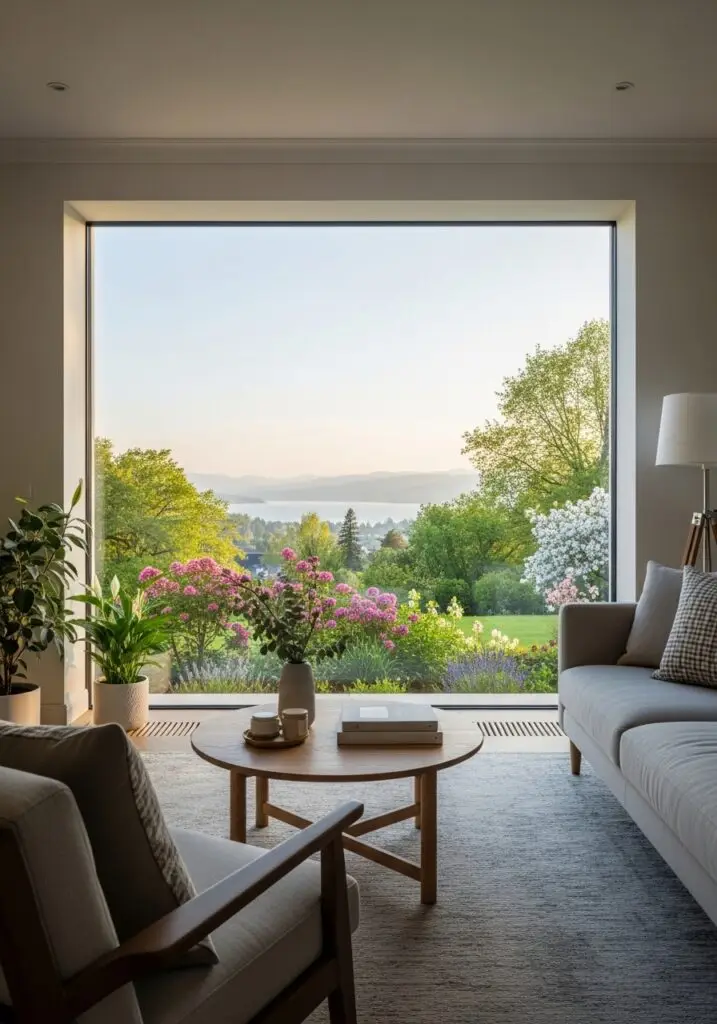
Big view. No moving parts. Picture windows frame the outdoors like a wall painting. They bring in steady light and keep drafts out. They don’t open, so pair them with another window for airflow.
2. Bay Windows
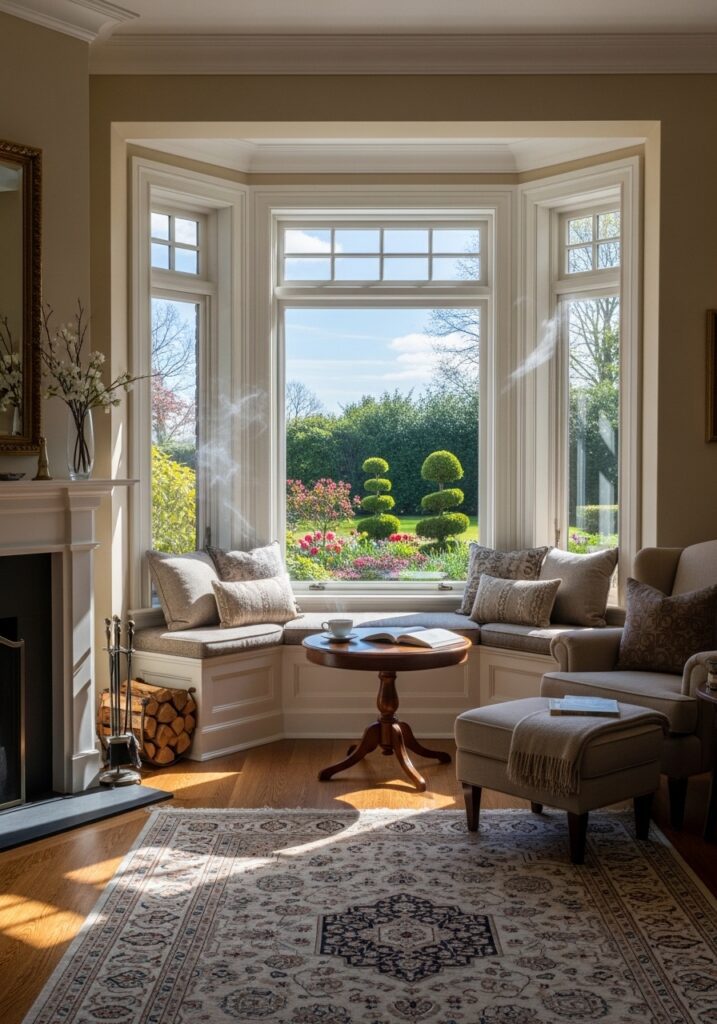
More space, more light. Bay windows push outward, adding floor space and depth. They suit living rooms that feel boxed in. Many homeowners use the ledge for seating or plants.
3. Bow Windows
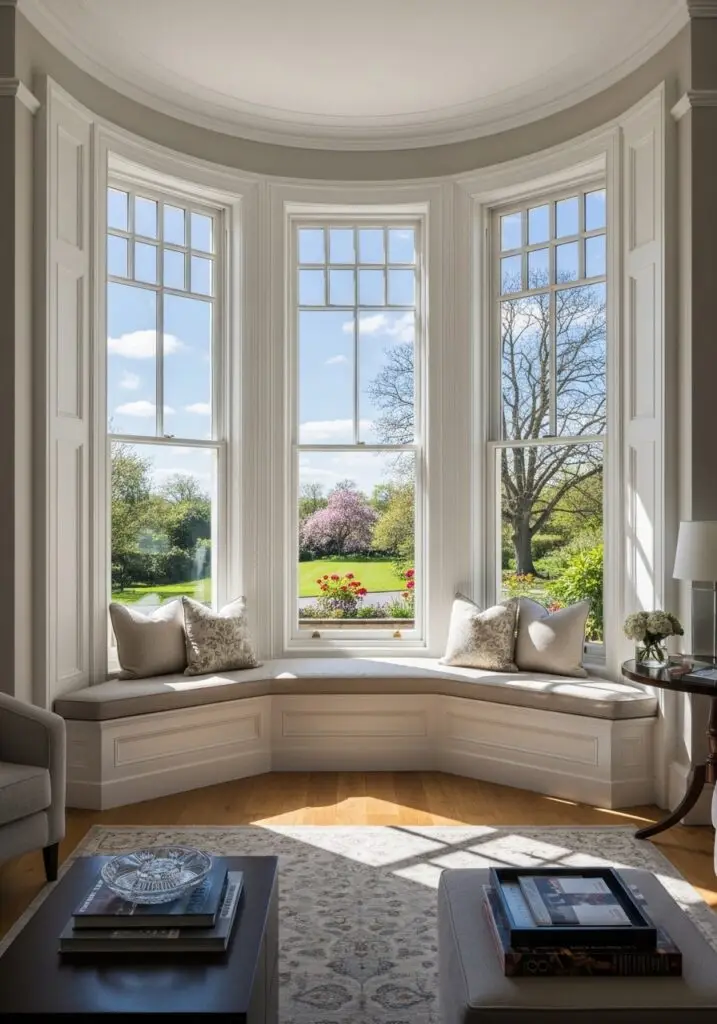
Curved and open feeling.Bow windows use four or more panels in a gentle arc. They soften the room and spread light evenly. They cost more than bay windows but feel less bulky.
4. Casement Windows
Easy to open while cooking.Casement windows swing outward with a crank. They’re simple to open with one hand. That matters when you’re juggling pans or wiping counters.
5. Awning Windows
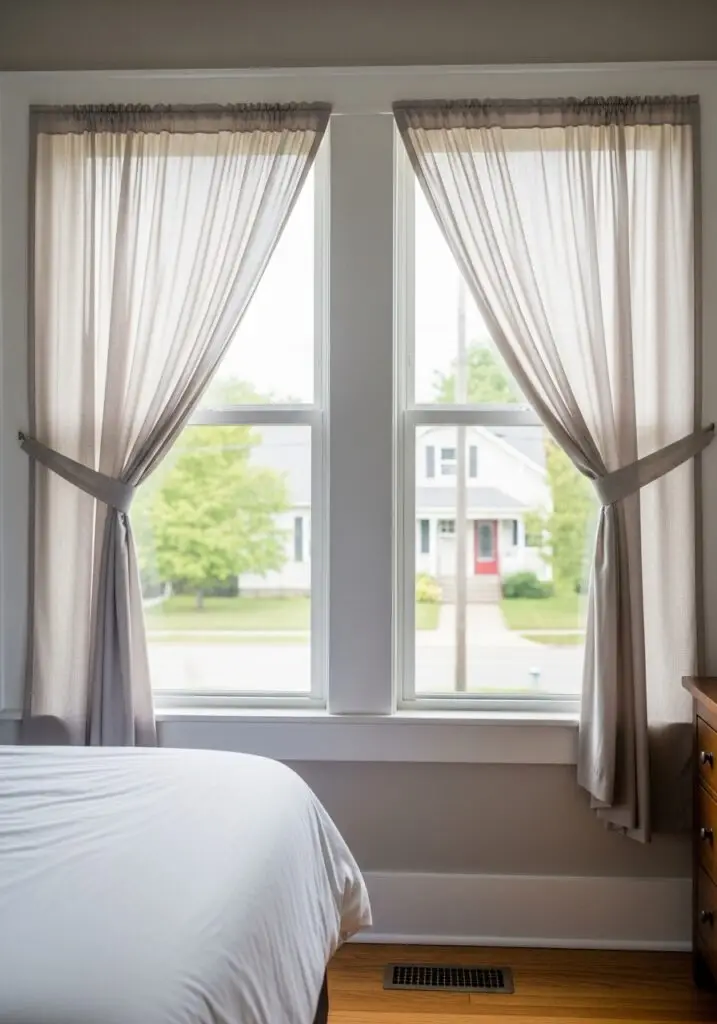
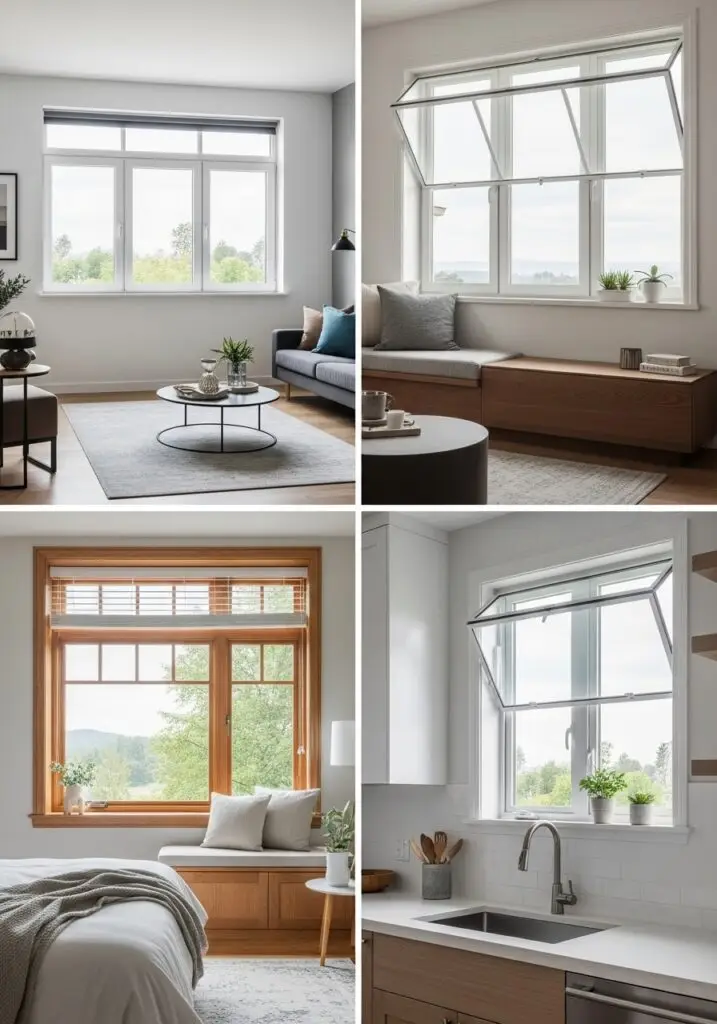
Rain-friendly airflow.Awning windows hinge at the top and open outward. You can keep them open during light rain. They work well above sinks or counters.
6. Sliding Windows
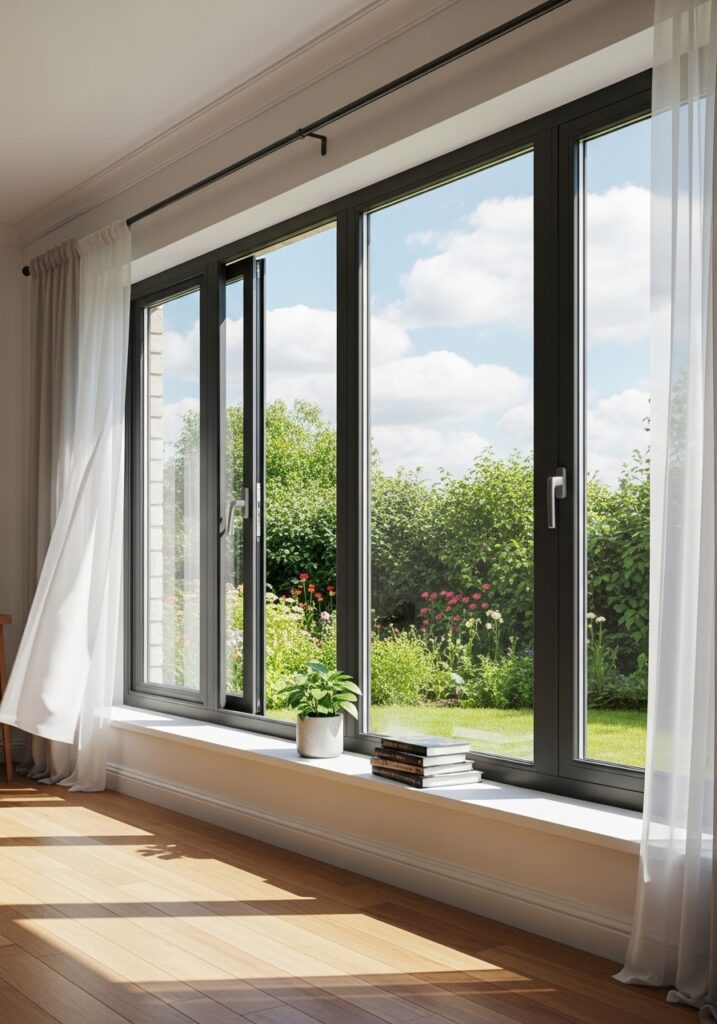
Quick and simple.Sliding windows move side to side. They’re common over kitchen sinks. Fewer moving parts mean fewer repairs over time.
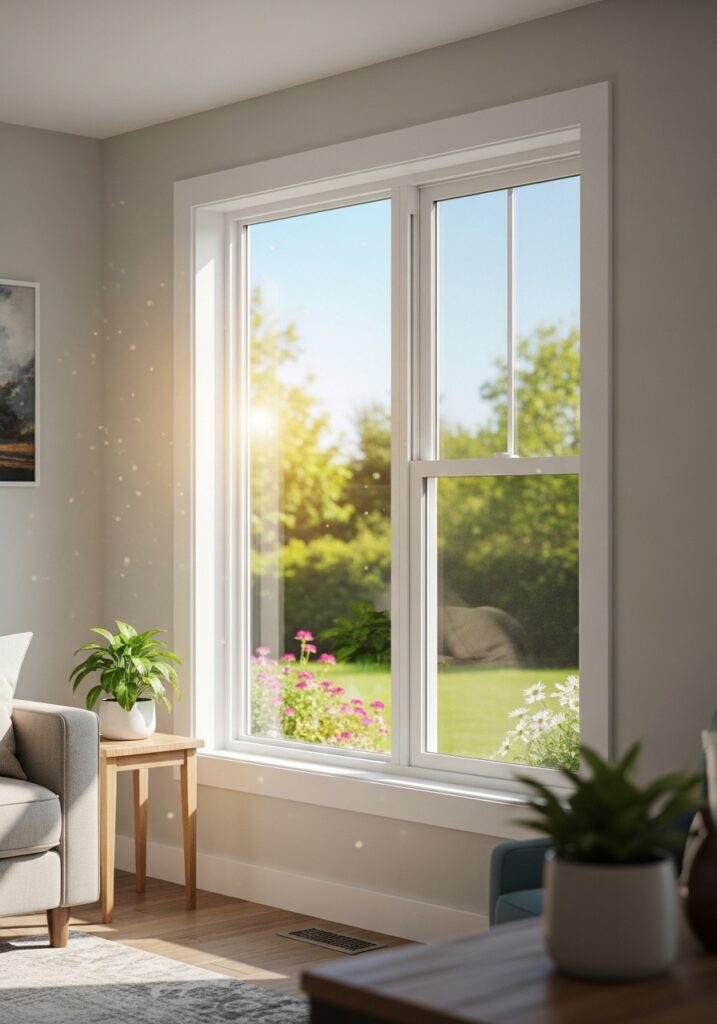
7. Double-Hung Windows
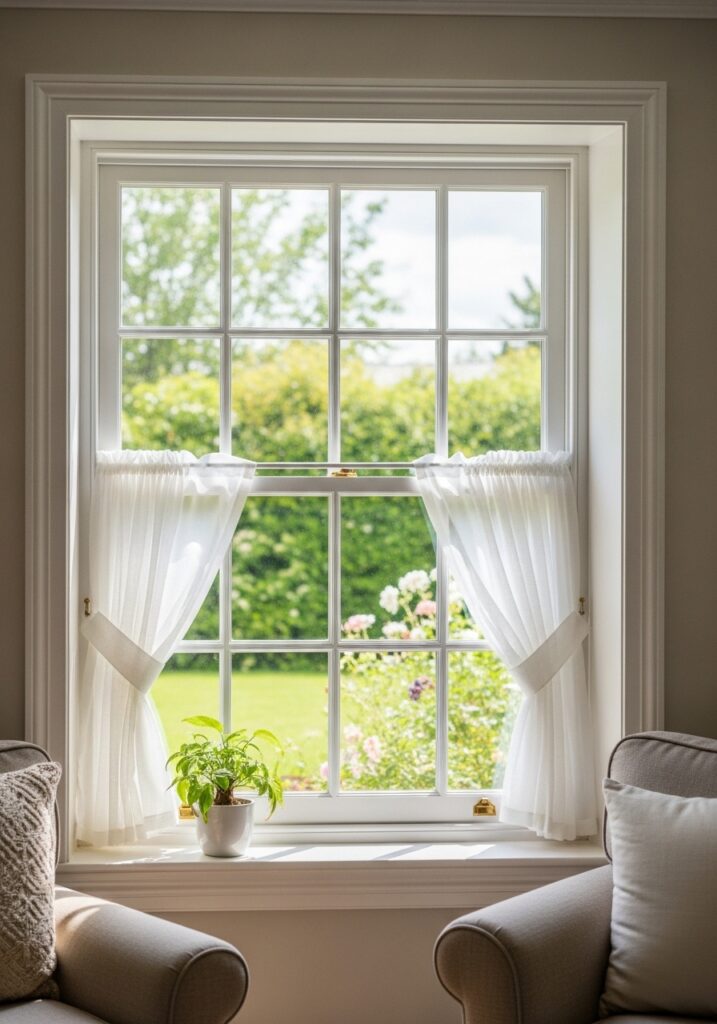
Balanced and familiar.Double-hung windows open from the top or bottom. That helps with airflow and safety. They suit most bedrooms and work with many home styles.
8. Single-Hung Windows
Lower cost, same look. Single-hung windows open only from the bottom. They look like double-hung windows but cost less. They fit guest rooms or secondary bedrooms.
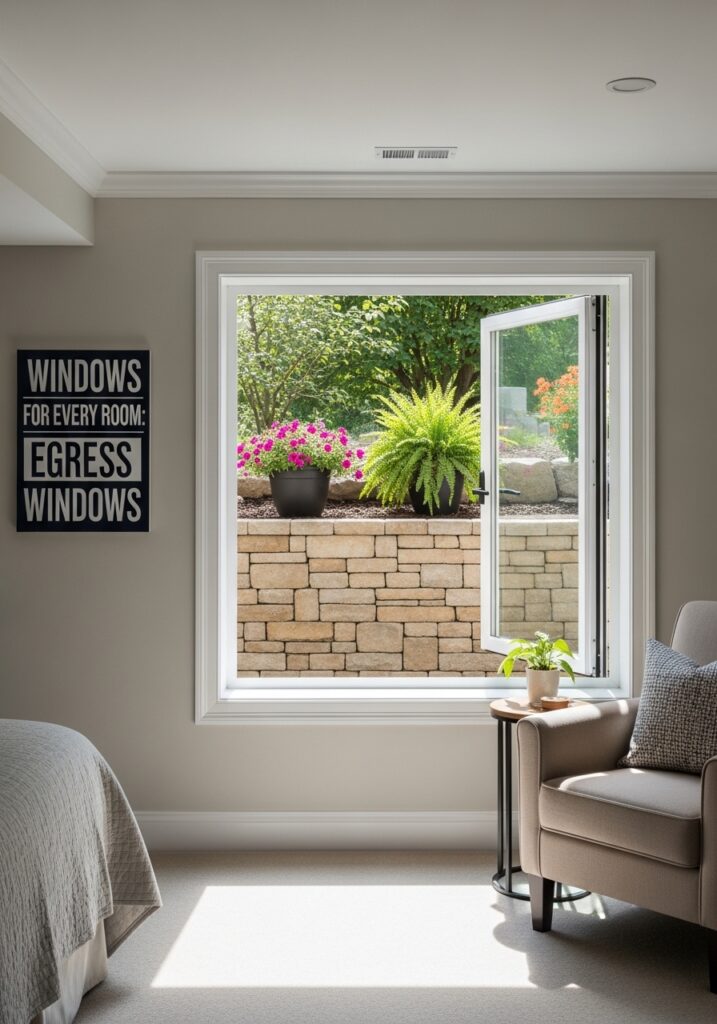
9. Egress Windows
Safety comes first. Egress windows meet size rules for emergency exits. They’re required in basement bedrooms. They also bring in more light than small basement windows.
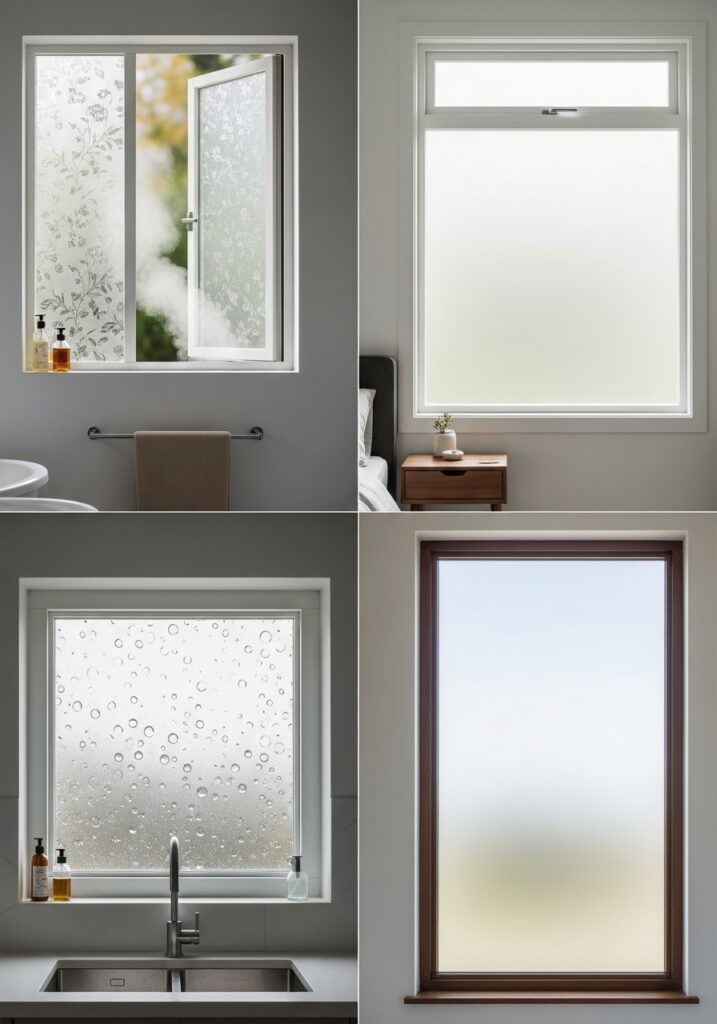
10. Frosted Glass Windows
Privacy without darkness. Frosted glass blurs the view but lets light through. It’s a smart choice for bathrooms facing neighbors. You get brightness without blinds.
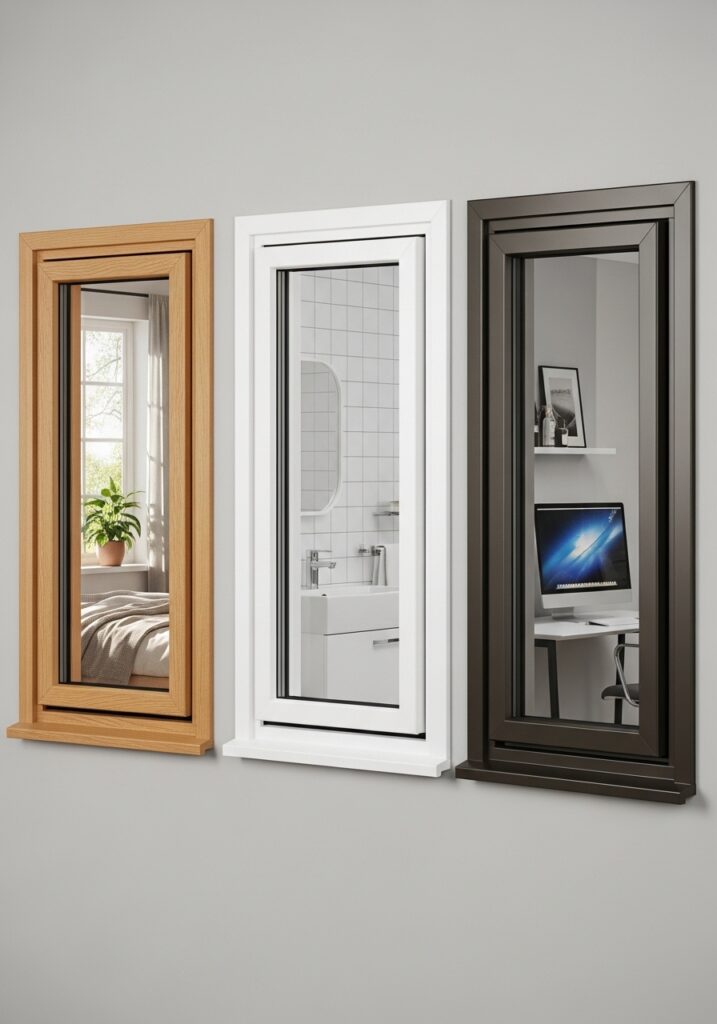
11. Hopper Windows
Small but practical. Hopper windows open inward from the top. They’re often used in bathrooms or basements. They help with airflow in tight spaces.
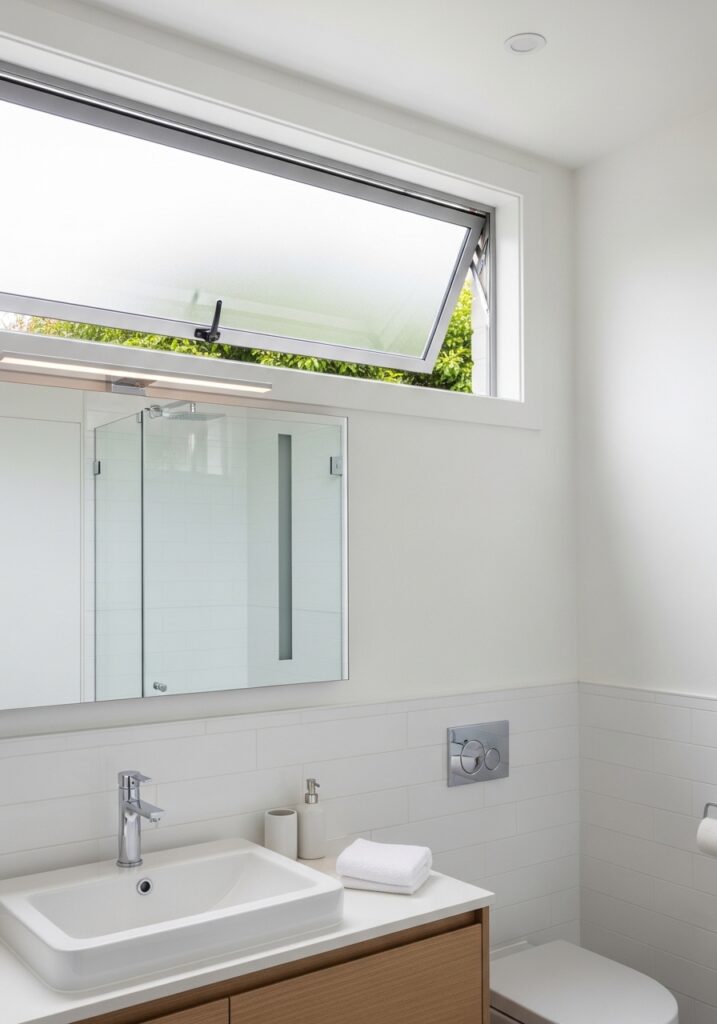
12. Awning Bathroom Windows
Fresh air, less worry. Awning windows work well high on bathroom walls. You can crack them open during showers, even when it’s damp outside.
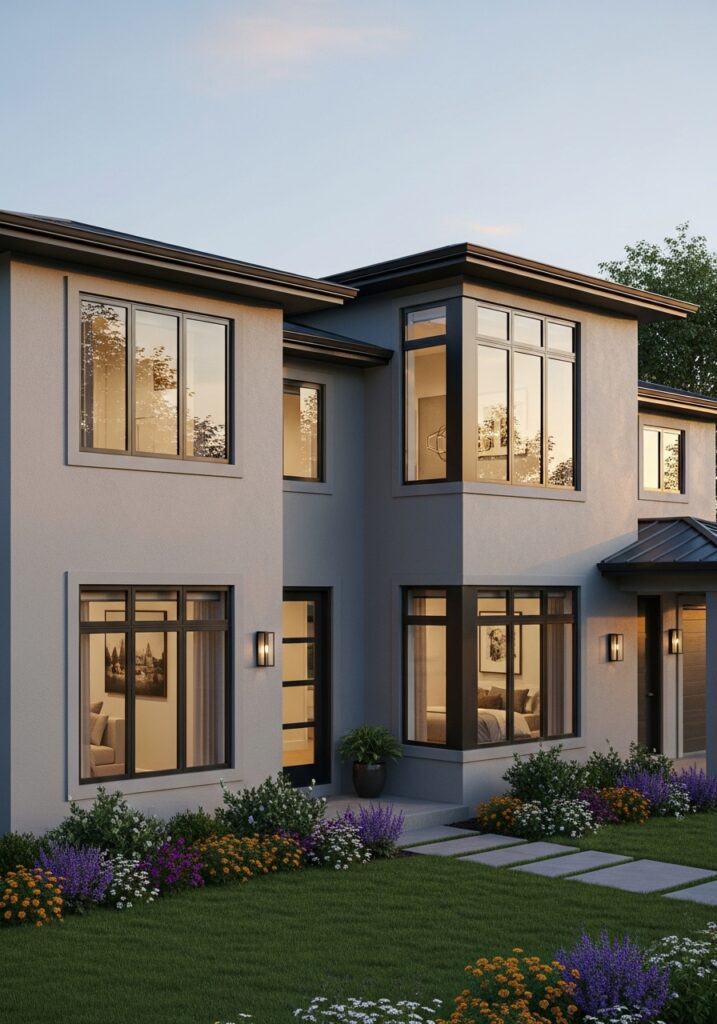
13. Picture and Casement Combo
Light plus airflow.This setup pairs a fixed picture window with opening casements on each side. You get a clear view and fresh air. It’s a strong fit for dining rooms.
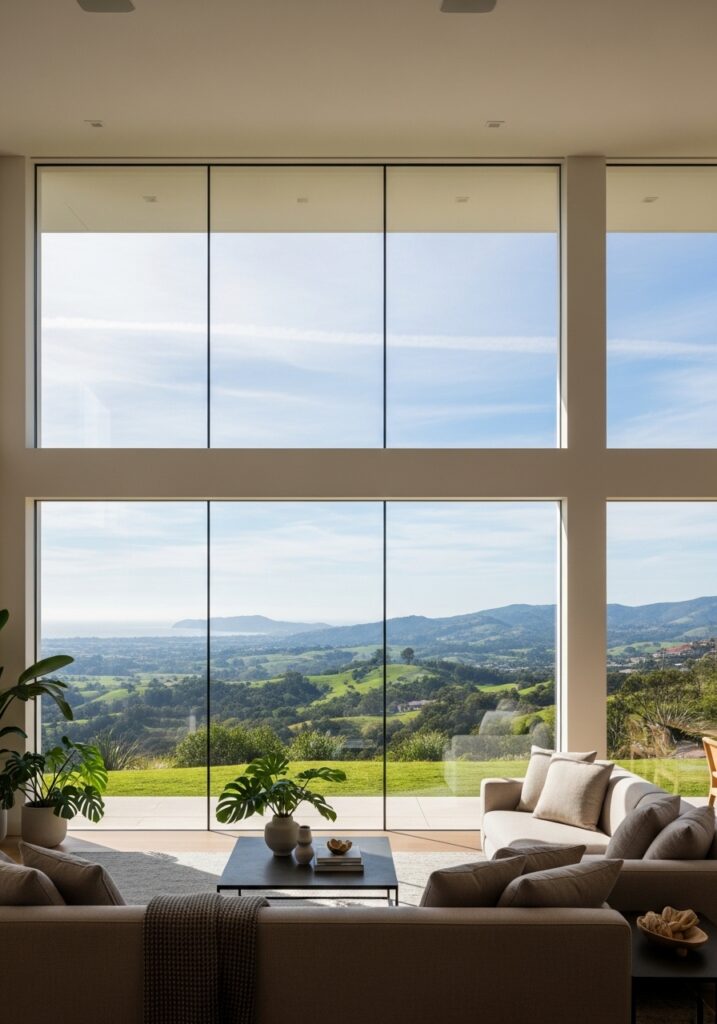
14. Floor-to-Ceiling Windows
Bright meals, open feel.Tall windows make dining areas feel larger. They suit homes with views or private yards. Add curtains to control glare during dinner.
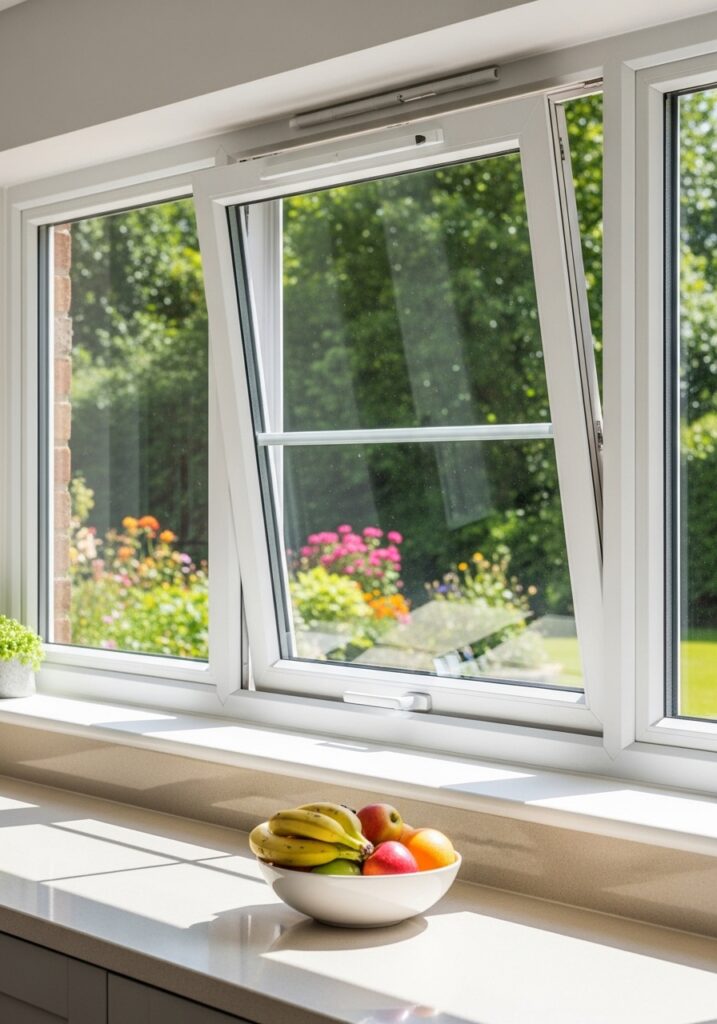
15. Tilt-and-Turn Windows
Flexible workday airflow. Tilt-and-turn windows open two ways. Tilt for light airflow. Swing open for cleaning. They help control drafts during long work hours.
16. Corner Windows
Fewer shadows, more focus. Corner windows pull light from two directions. They reduce screen glare when placed right. They suit small home offices.
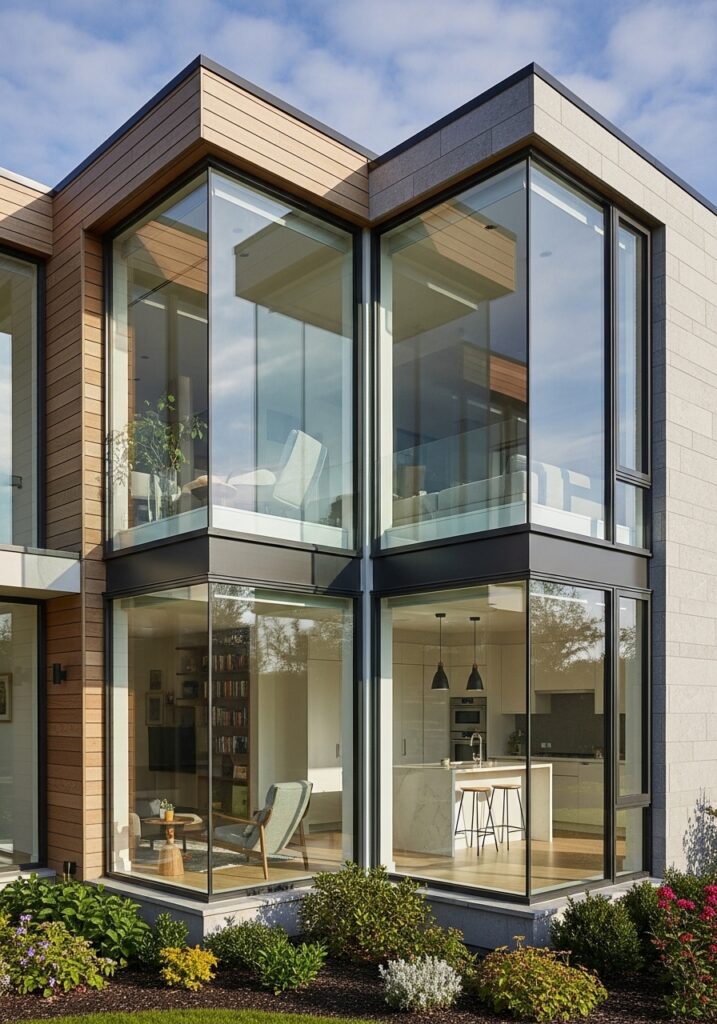
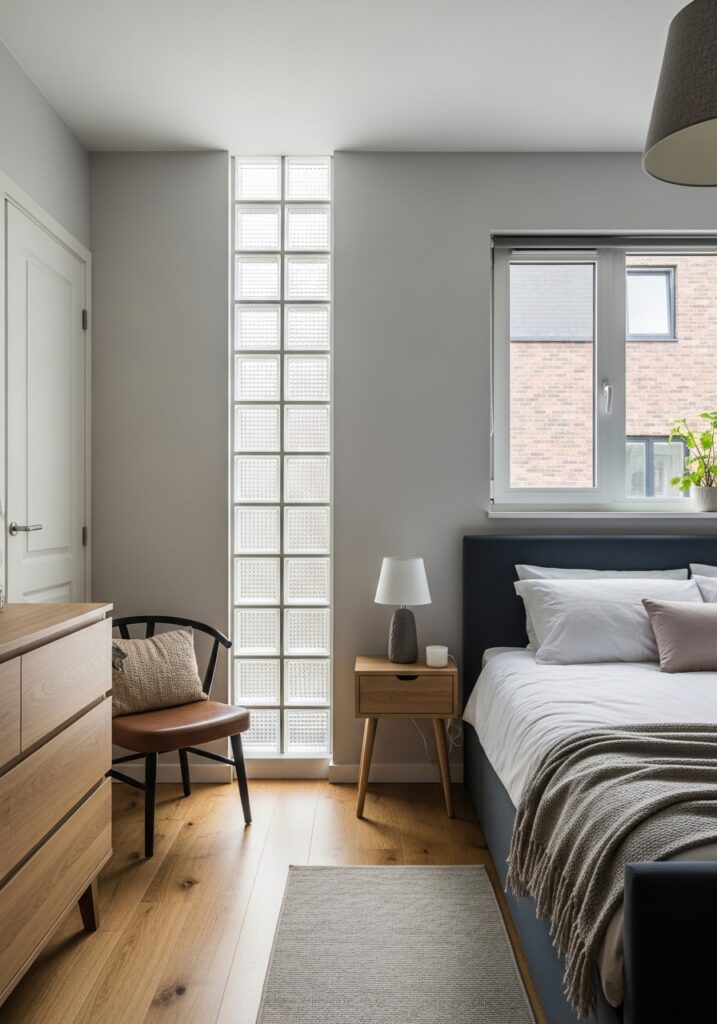
17. Glass Block Windows
Strong and private. Glass block windows resist break-ins and let in light. They don’t open, so pair them with a vent if needed. They suit finished basements.
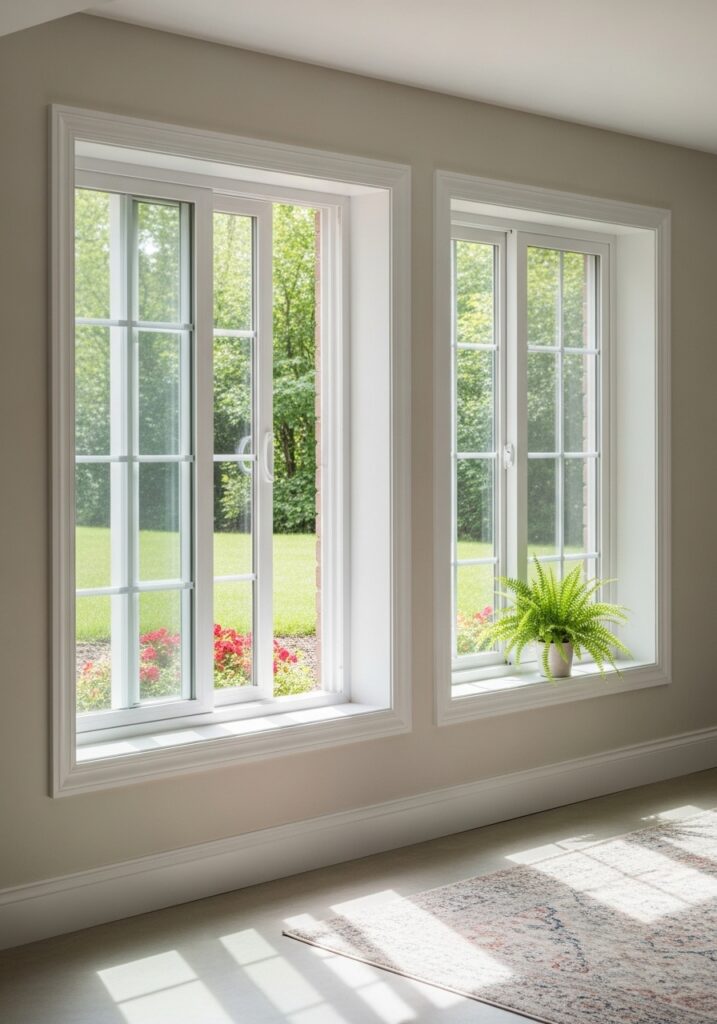
18. Sliding Basement Windows
Simple exit option. Sliding basement windows meet egress rules in some layouts. They’re easier to use than small hopper windows. They also bring in more daylight.
Entryways and Hallways
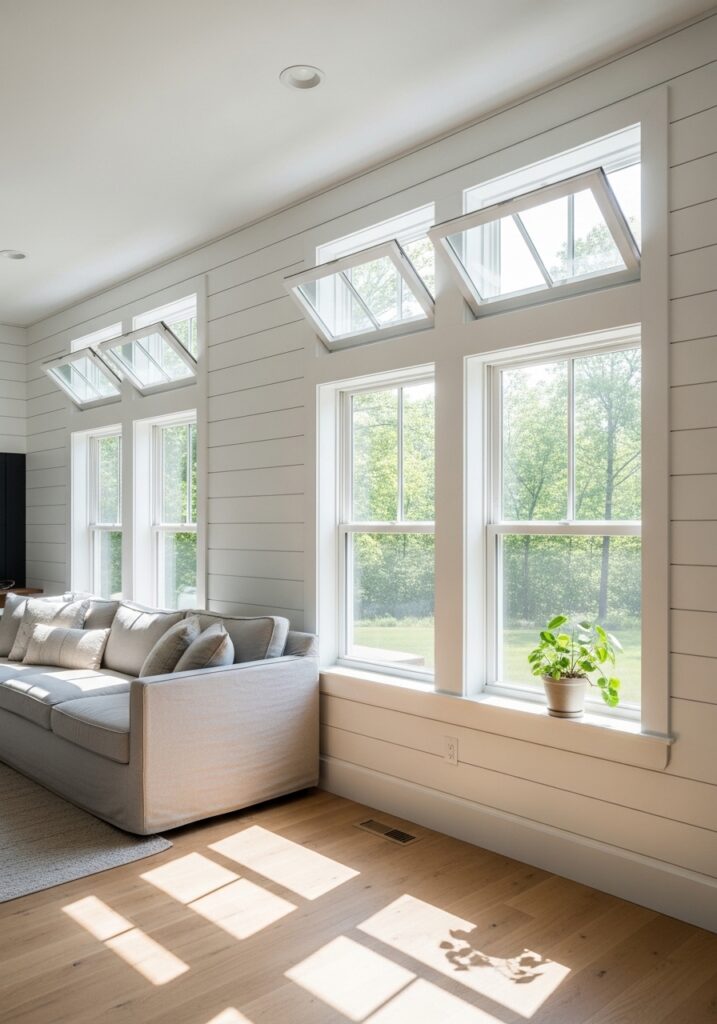
19. Transom Windows
Light without losing privacy.Transom windows sit above doors. They brighten dark hallways. They work well in older and modern homes.
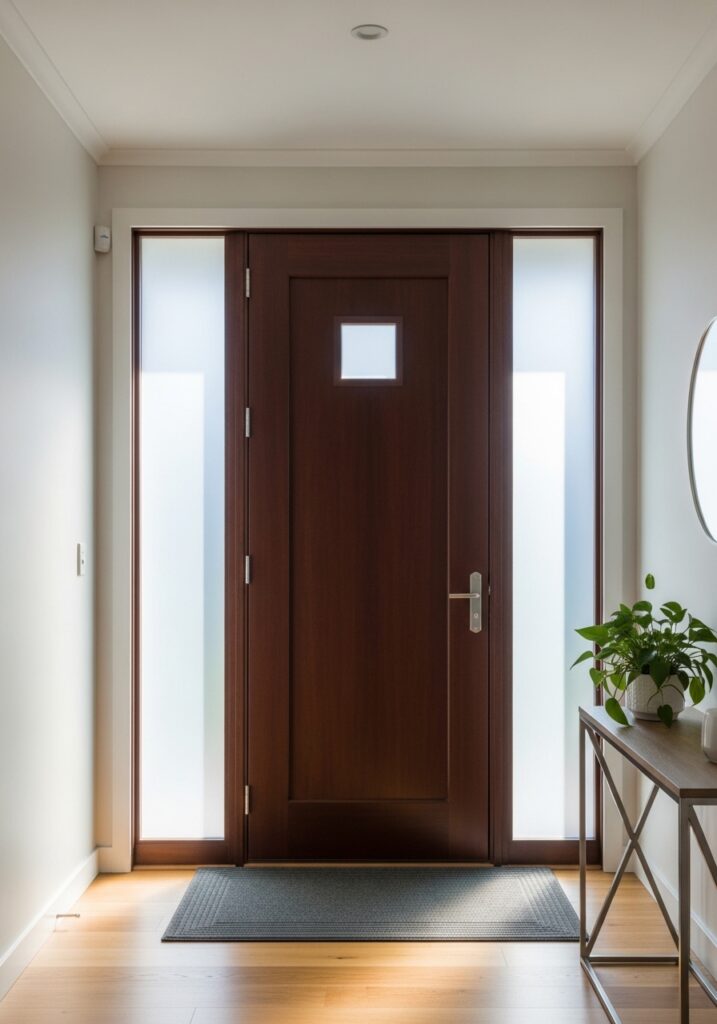
20. Sidelight Windows
Welcome first impression. Sidelights flank the front door. They add light and make entryways feel open.
Final Thought
Every room asks a different question. Light, privacy, airflow, or safety. The right window answers it fast. Use this list as a room-by-room cheat sheet, not a guessing game. If a space feels off, the window is often why.