
Introduction
Contents
- 1 Introduction
- 1.1 1. Embrace a Neutral Color Palette
- 1.2 2. Choose Low, Simple Furniture
- 1.3 3. Incorporate Natural Wood Elements
- 1.4 4. Add Cozy Scandinavian Textures
- 1.5 5. Declutter and Prioritize Function
- 1.6 6. Introduce Handmade or Artisan Pieces
- 1.7 7. Use Soft, Ambient Lighting
- 1.8 8. Incorporate Indoor Plants
- 1.9 9. Focus on Quality Over Quantity
- 1.10 10. Mix Japanese and Scandinavian Influences
- 1.11 11. Create Open, Airy Spaces
- 1.12 12. Incorporate Subtle Patterns
- 1.13 13. Use Sliding Doors or Light Curtains
- 1.14 14. Opt for Simple Wall Art
- 1.15 15. Introduce Stone and Ceramic Accents
- 1.16 16. Keep Kitchen Decor Minimal
- 1.17 17. Add a Statement Wooden Dining Table
- 1.18 18. Layer Neutral Rugs
- 1.19 19. Create a Relaxing Bedroom Retreat
- 1.20 20. Design a Calm Entryway
- 2 Final Thoughts
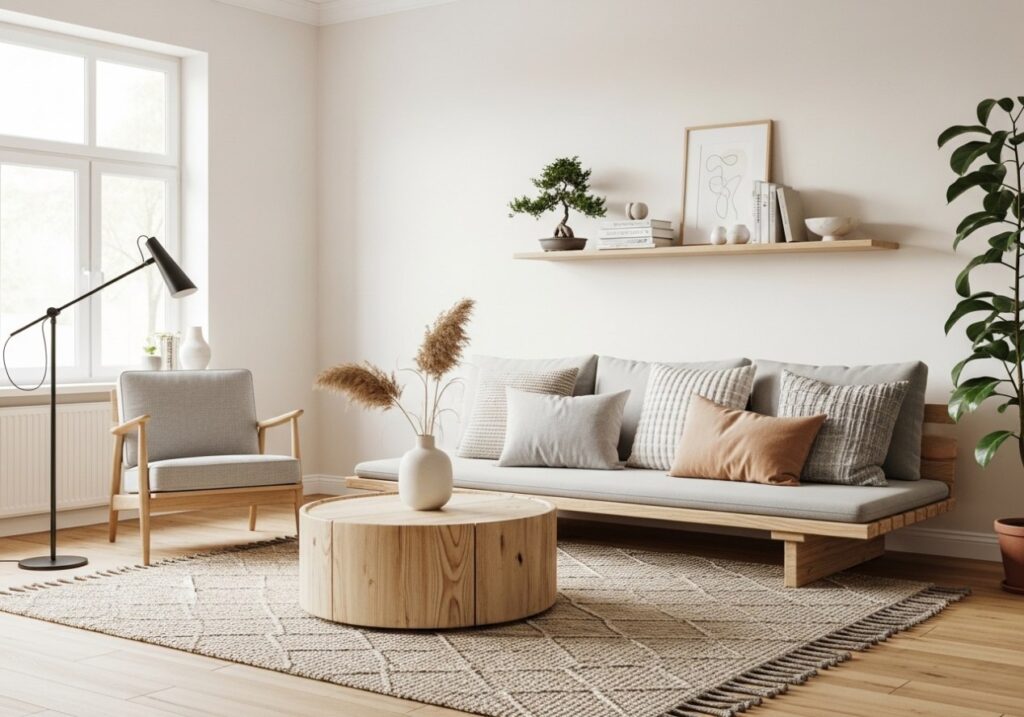
Looking to transform your home into a serene, stylish haven without overwhelming your space? Our 20 Japandi Home Decor Ideas for a Warm, Minimal, Peaceful Home show you how to blend the calm simplicity of Japanese design with the cozy elegance of Scandinavian style. From soft neutral palettes to natural textures, every idea is easy to implement and instantly uplifting. Plus, if you love mixing styles, don’t miss our tips on Boho House Decor Ideas to add a playful, eclectic touch without cluttering your minimalist sanctuary. Your dream peaceful home starts here—read on before you scroll away!
1. Embrace a Neutral Color Palette
Start with soft, muted tones like beige, warm white, taupe, and light gray. These colors create a calming foundation that defines Japandi interiors. Add subtle earthy shades such as sage or dusty blue for gentle contrast. Keeping the palette simple ensures your space feels open and serene.
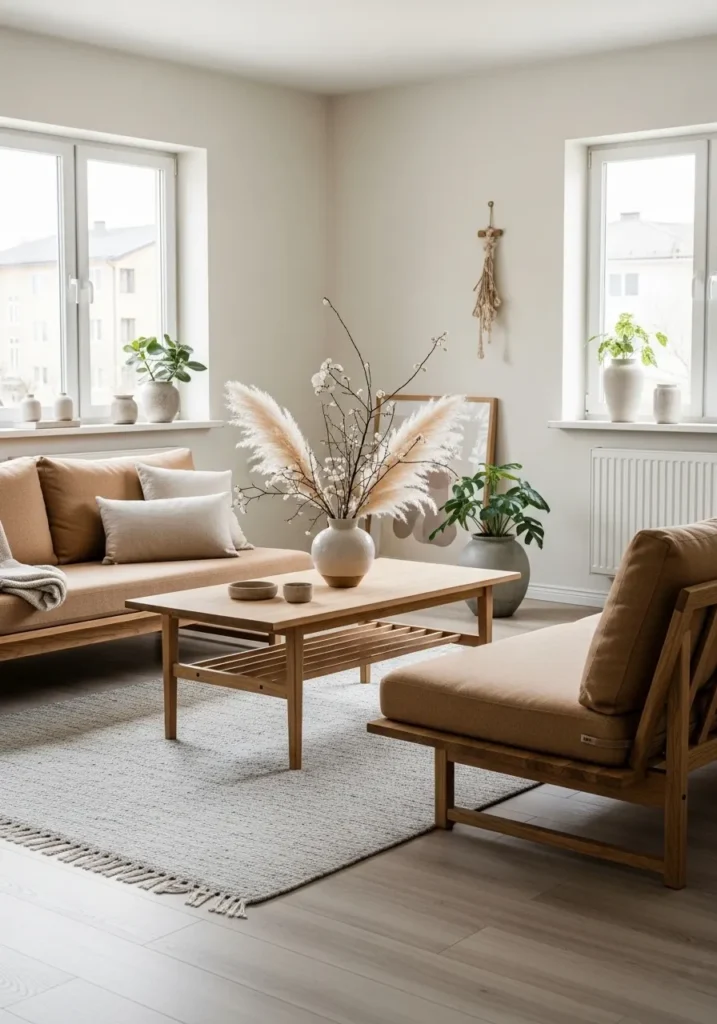
2. Choose Low, Simple Furniture
Japandi furniture often sits lower to the ground, inspired by traditional Japanese design. Low sofas, platform beds, and simple coffee tables create a grounded and relaxed feeling. Look for clean lines and minimal ornamentation. The focus should be on function, comfort, and understated beauty.
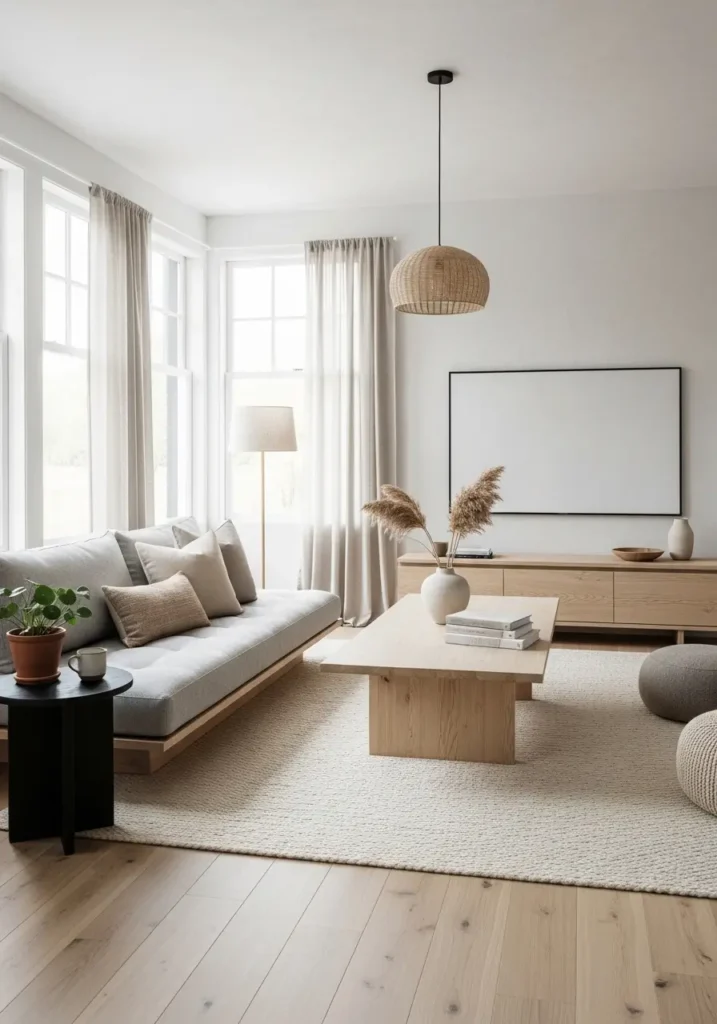
3. Incorporate Natural Wood Elements
Light and medium-toned woods are essential in Japandi decor. Oak, ash, walnut, and bamboo add warmth and organic texture. Use wood for flooring, furniture, shelving, or decorative accents. The natural grain patterns enhance the peaceful, earthy vibe.
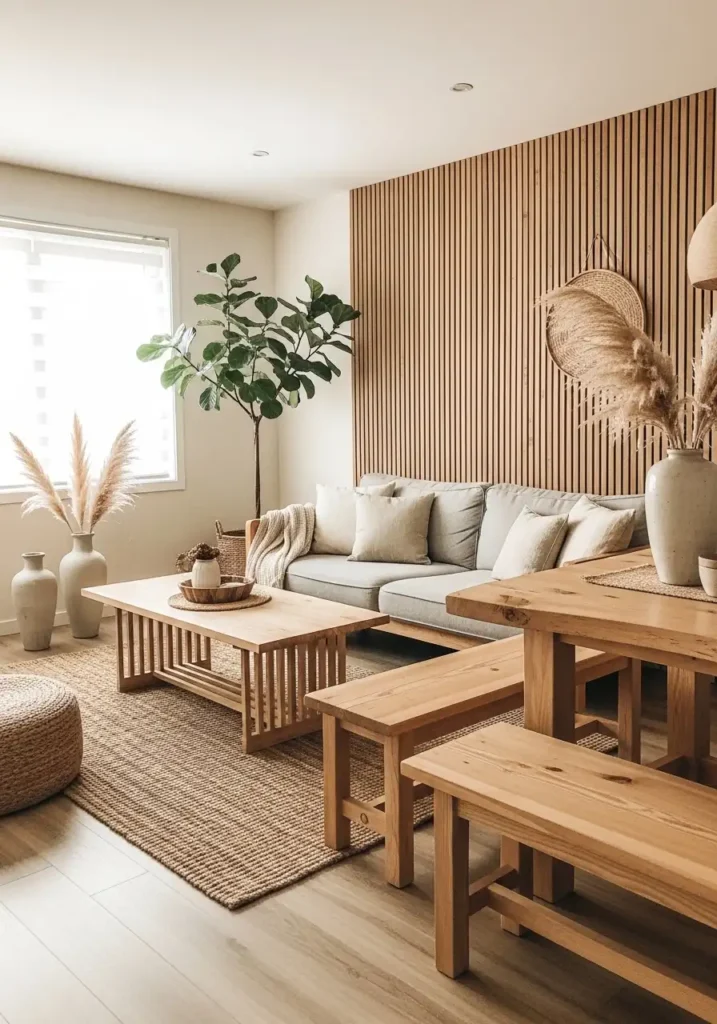
Balance minimalism with soft, inviting textiles. Linen curtains, wool throws, and cotton cushions add warmth without cluttering the space. Stick to neutral fabrics with subtle texture rather than bold patterns. This combination keeps the room comfortable yet refined.
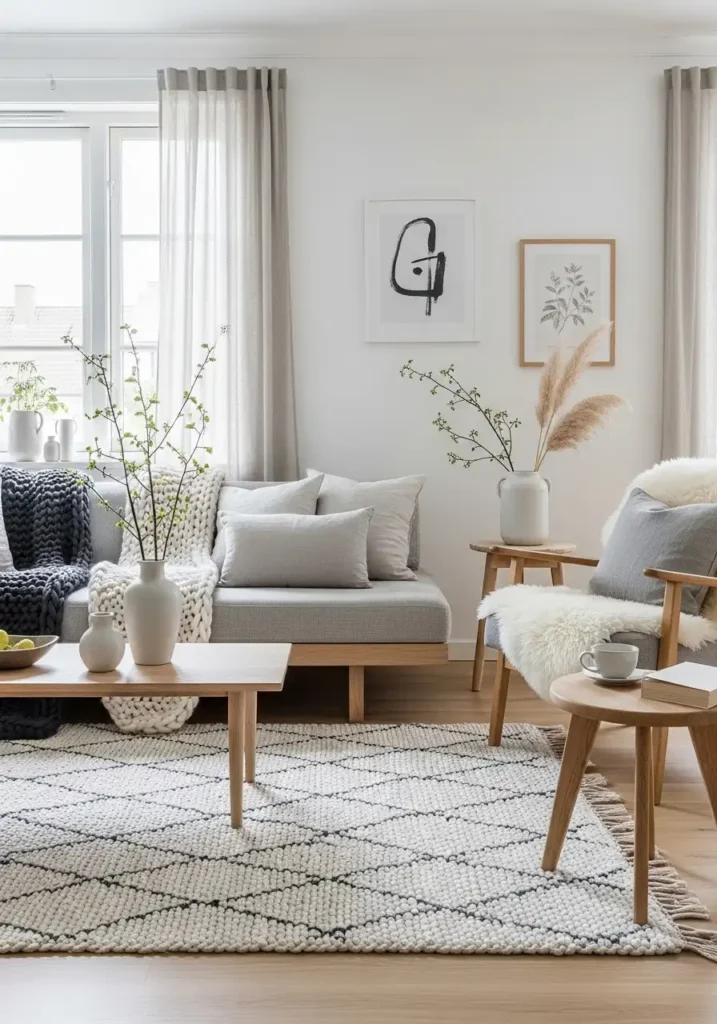
5. Declutter and Prioritize Function
Japandi style celebrates simplicity and purposeful living. Remove unnecessary items and focus on pieces that serve a clear function. Storage solutions should be sleek and hidden whenever possible. A clutter-free space instantly feels more peaceful and balanced.
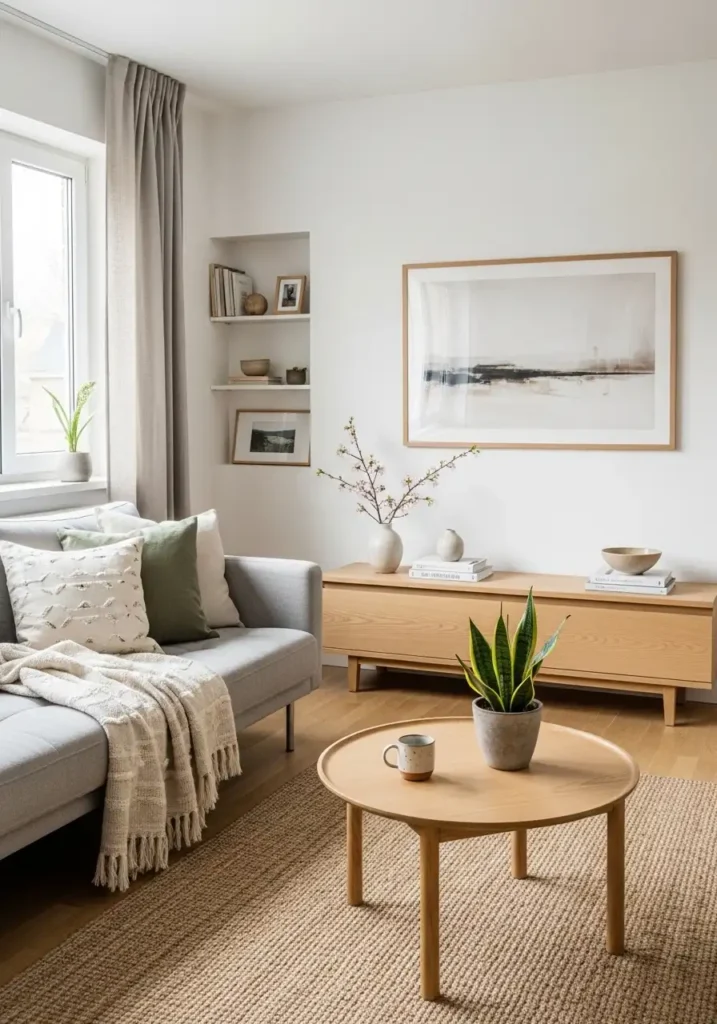
6. Introduce Handmade or Artisan Pieces
Handcrafted ceramics, woven baskets, and handmade pottery bring authenticity to your home. These elements reflect Japanese wabi-sabi philosophy, which appreciates imperfection. Choose items with natural finishes and subtle detailing. They add character without overwhelming the space.
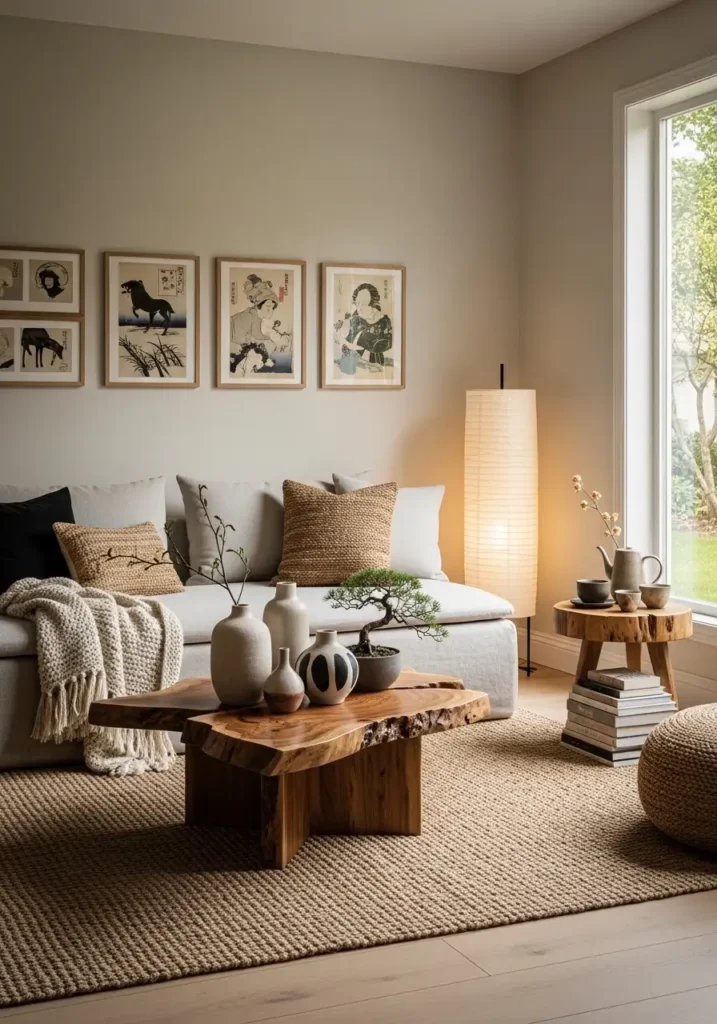
7. Use Soft, Ambient Lighting
Lighting plays a key role in creating a warm atmosphere. Opt for paper lanterns, minimalist floor lamps, or warm LED bulbs. Avoid harsh, overly bright lighting that disrupts the calm mood. Soft illumination enhances the cozy and tranquil environment.
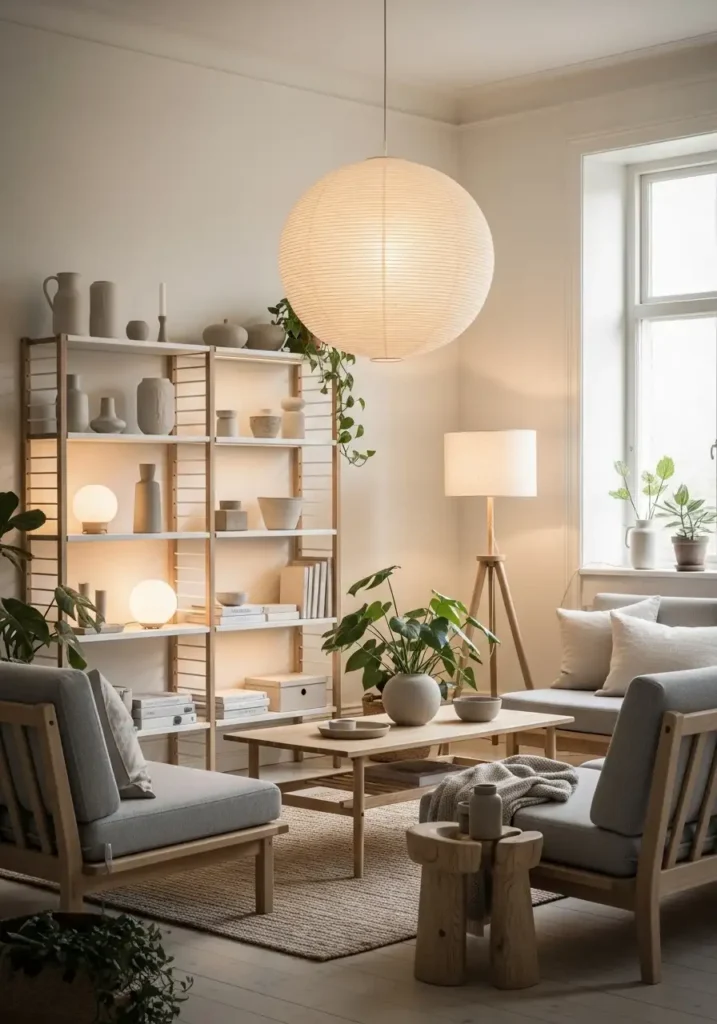
8. Incorporate Indoor Plants
Plants bring life and freshness into a Japandi home. Choose simple greenery like snake plants, bonsai, or olive trees. Keep planters minimal and neutral to match the aesthetic. A touch of nature enhances serenity and balance.
9. Focus on Quality Over Quantity
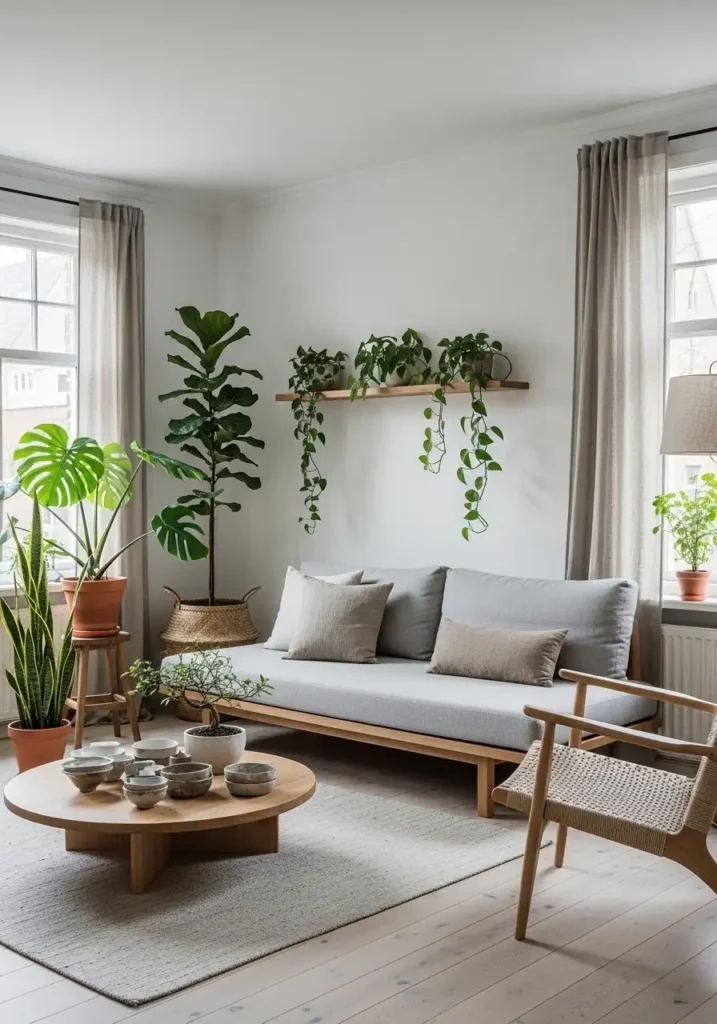
Invest in fewer but higher-quality pieces. Japandi design values craftsmanship and durability. Timeless furniture and decor ensure your space remains stylish for years. This mindful approach supports both beauty and sustainability.
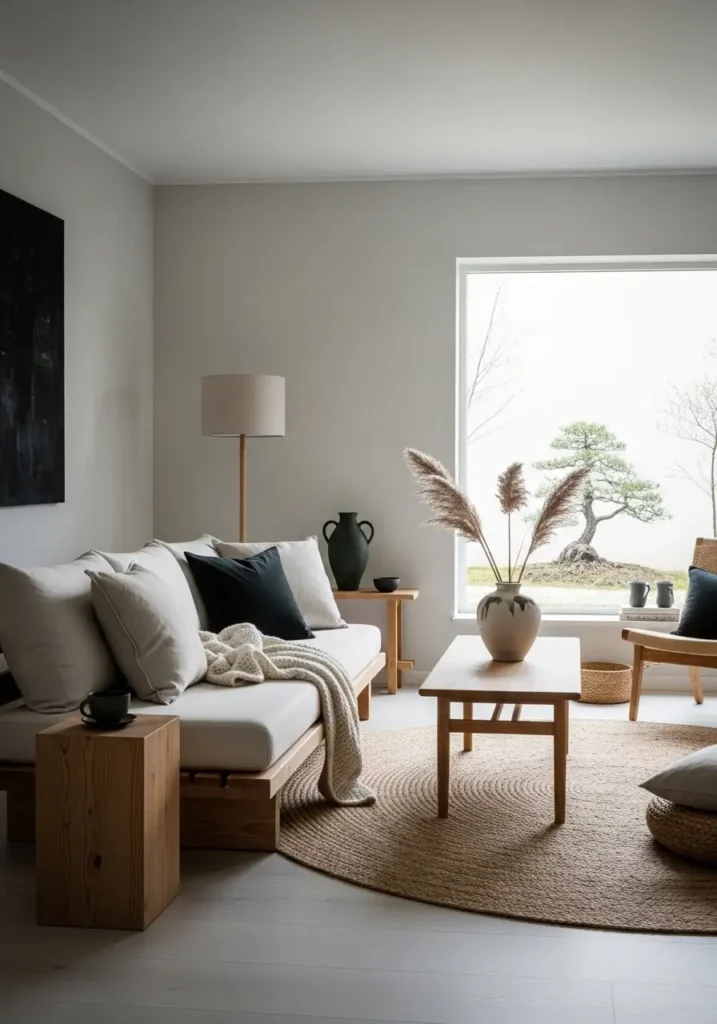
Blend Scandinavian coziness with Japanese simplicity. Pair a Nordic-style sofa with a Japanese-inspired wooden coffee table. Keep the overall look cohesive through color and material consistency. The fusion should feel harmonious rather than contrasting.
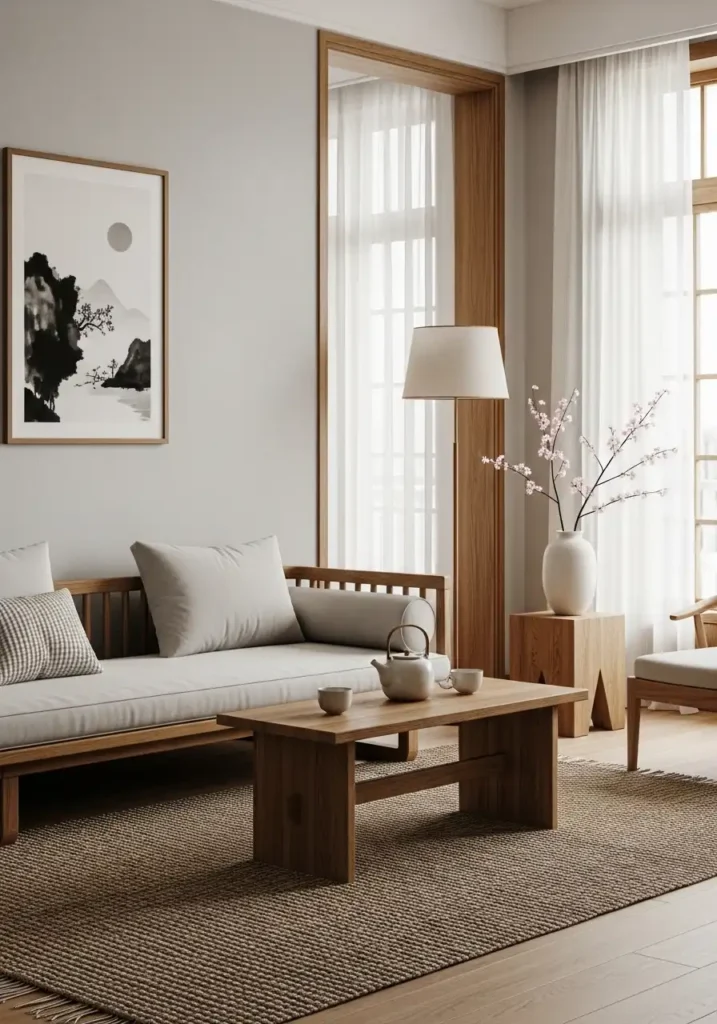
11. Create Open, Airy Spaces
Allow plenty of breathing room between furniture pieces. Avoid overcrowding the layout with unnecessary decor. Open spaces promote calmness and clarity. This minimalist arrangement encourages relaxation and mindfulness.
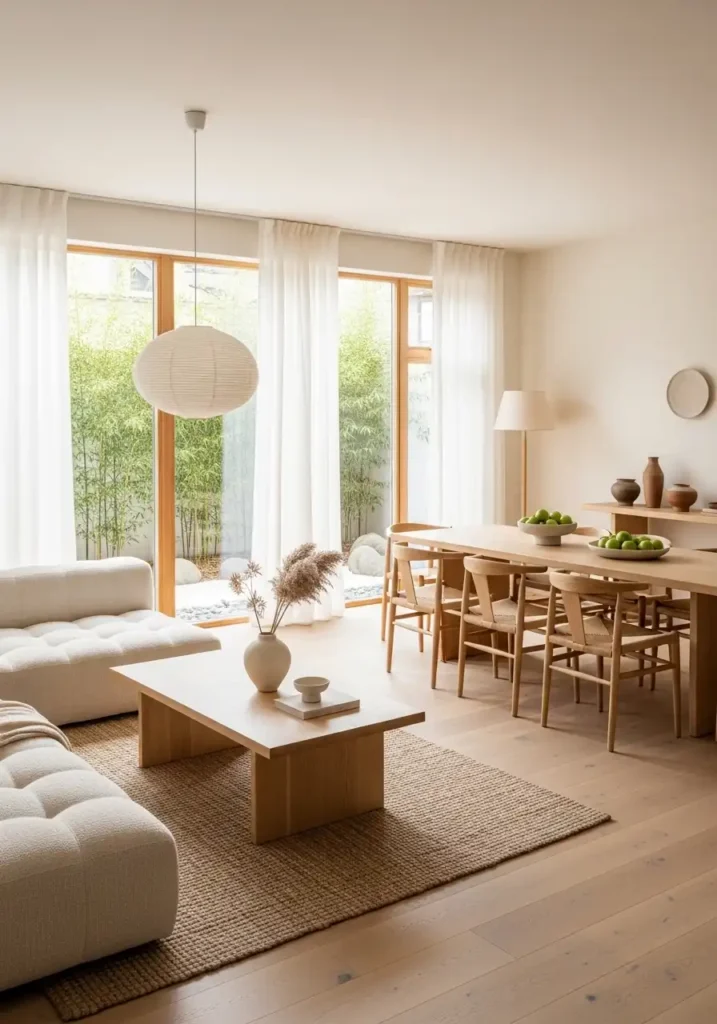
12. Incorporate Subtle Patterns
If you add patterns, keep them simple and understated. Soft stripes, delicate lines, or minimal geometric designs work best. Avoid bold, busy prints that disrupt the tranquil mood. Subtlety maintains the balance between style and serenity.
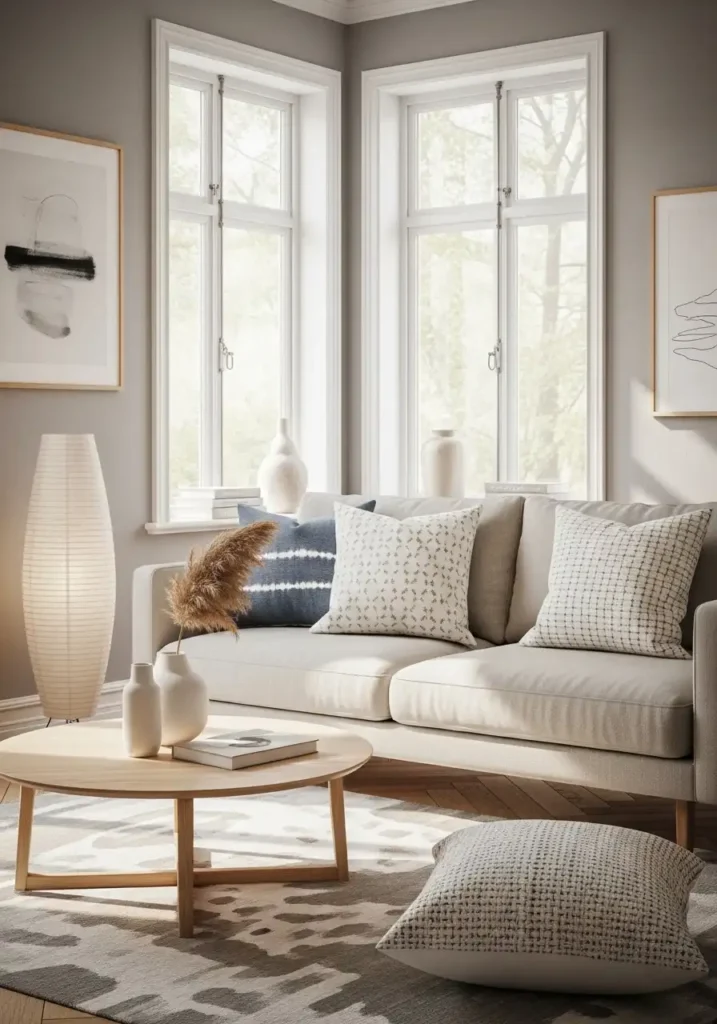
13. Use Sliding Doors or Light Curtains
Japanese-inspired sliding doors or sheer curtains enhance the airy feeling. They allow natural light to flow through the space. Choose neutral fabrics to maintain harmony. This design choice keeps the home bright yet private.
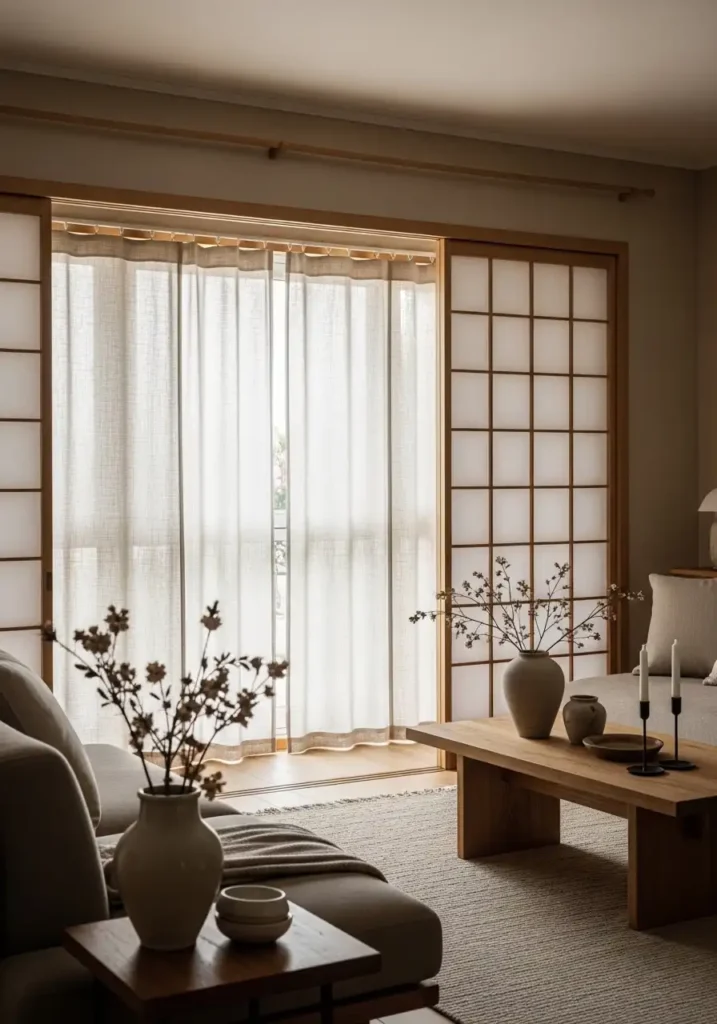
14. Opt for Simple Wall Art
Select minimal artwork with calm tones and organic shapes. Black-and-white prints or nature-inspired pieces complement the Japandi style. Avoid overcrowding walls with too many frames. A few thoughtfully placed artworks create a refined look.
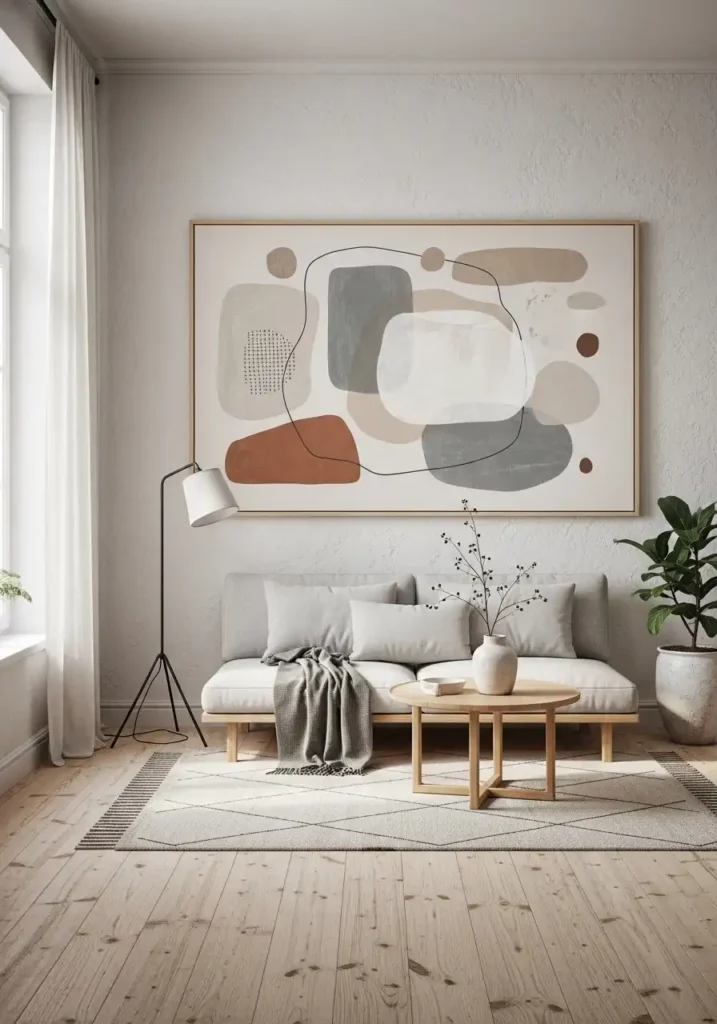
15. Introduce Stone and Ceramic Accents
Natural stone and ceramic pieces add texture and depth. Consider stone trays, ceramic vases, or clay bowls. These materials echo the connection to nature found in both design traditions. Their earthy tones enhance warmth and authenticity.
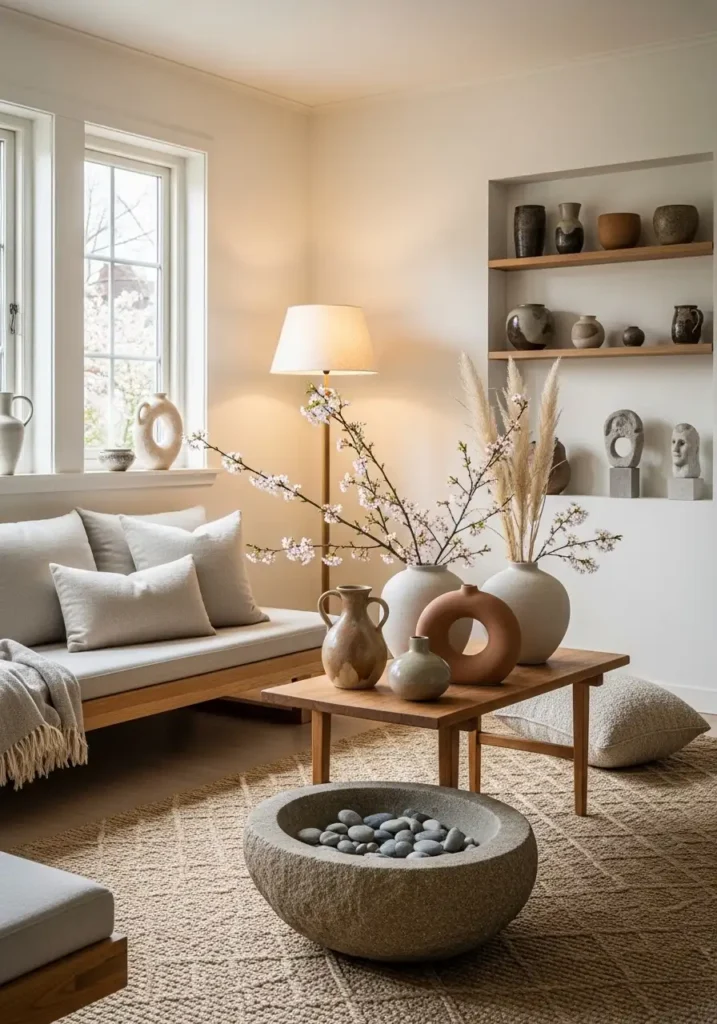
16. Keep Kitchen Decor Minimal
In the kitchen, focus on clean countertops and functional storage. Open shelving with neatly arranged ceramics fits perfectly within Japandi aesthetics. Stick to neutral dishware and wooden utensils. Simplicity keeps the space calm and efficient.
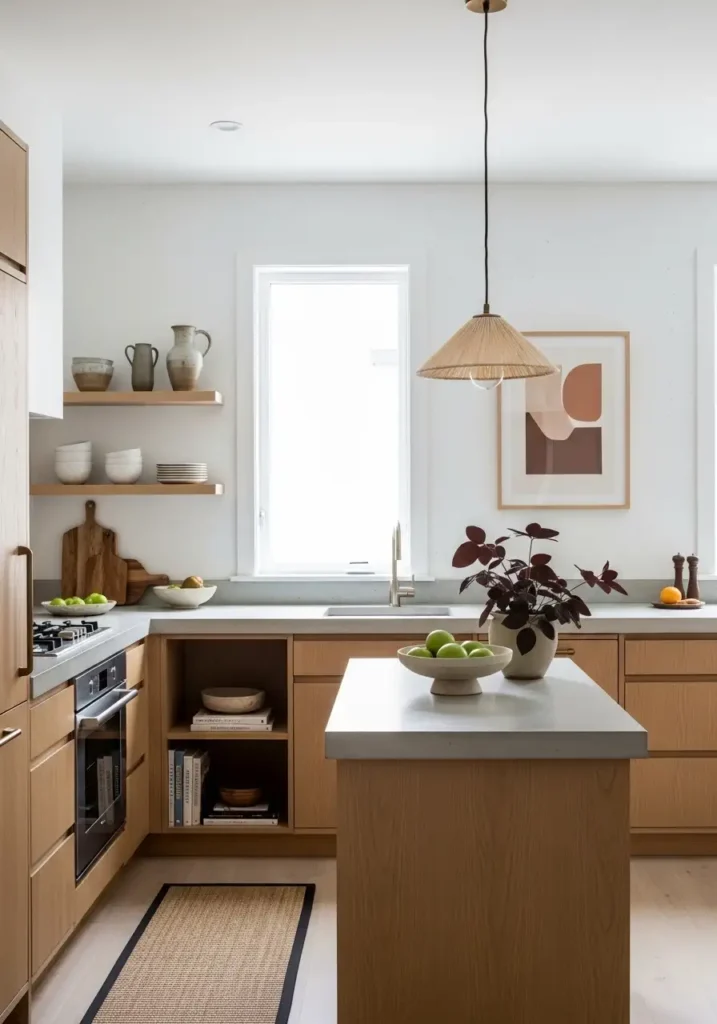
17. Add a Statement Wooden Dining Table
A solid wooden dining table can anchor your space. Choose a simple design with visible natural grain. Pair it with minimalist chairs in neutral tones. This creates a welcoming area for gatherings while maintaining elegance.
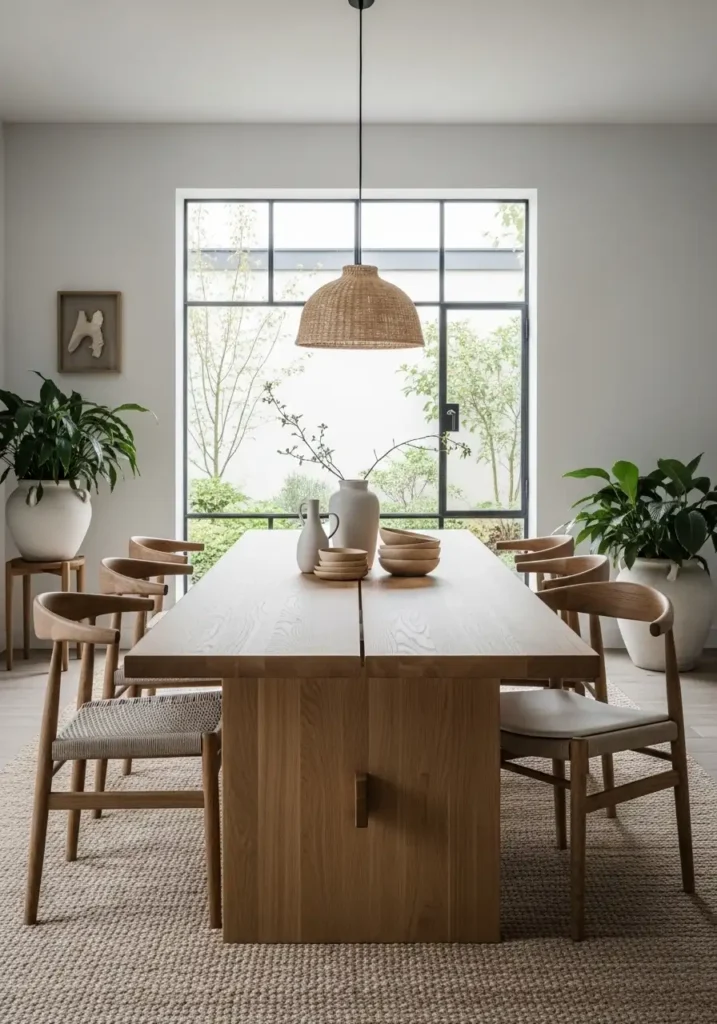
18. Layer Neutral Rugs
Soft rugs in muted tones add warmth underfoot. Choose natural fibers like jute or wool for texture. Avoid bright colors or heavy patterns. Layering rugs subtly enhances comfort and visual interest.
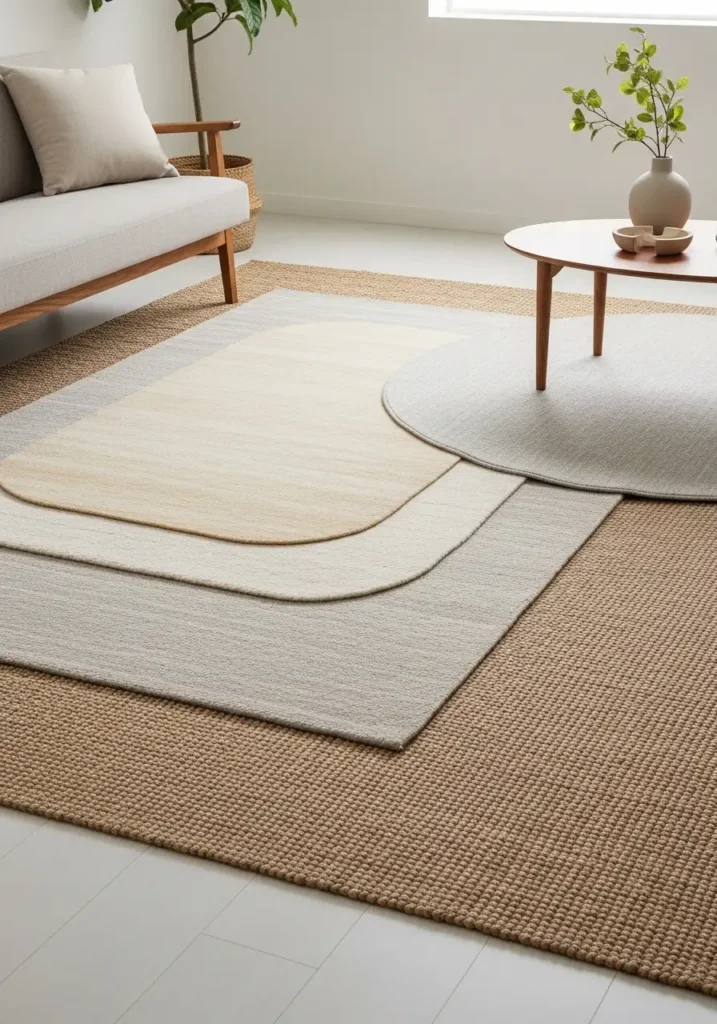
19. Create a Relaxing Bedroom Retreat
Use soft bedding in linen or cotton with neutral shades. Keep bedside tables simple and uncluttered. Add warm lighting and minimal decor for a restful atmosphere. The goal is a peaceful, hotel-like sanctuary.
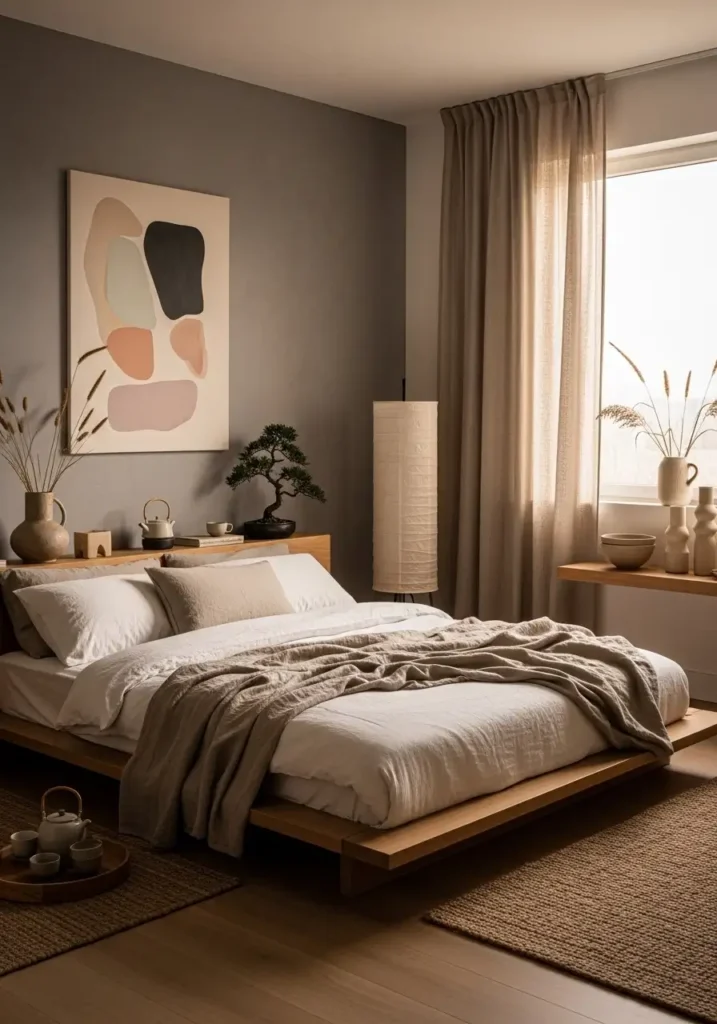
20. Design a Calm Entryway
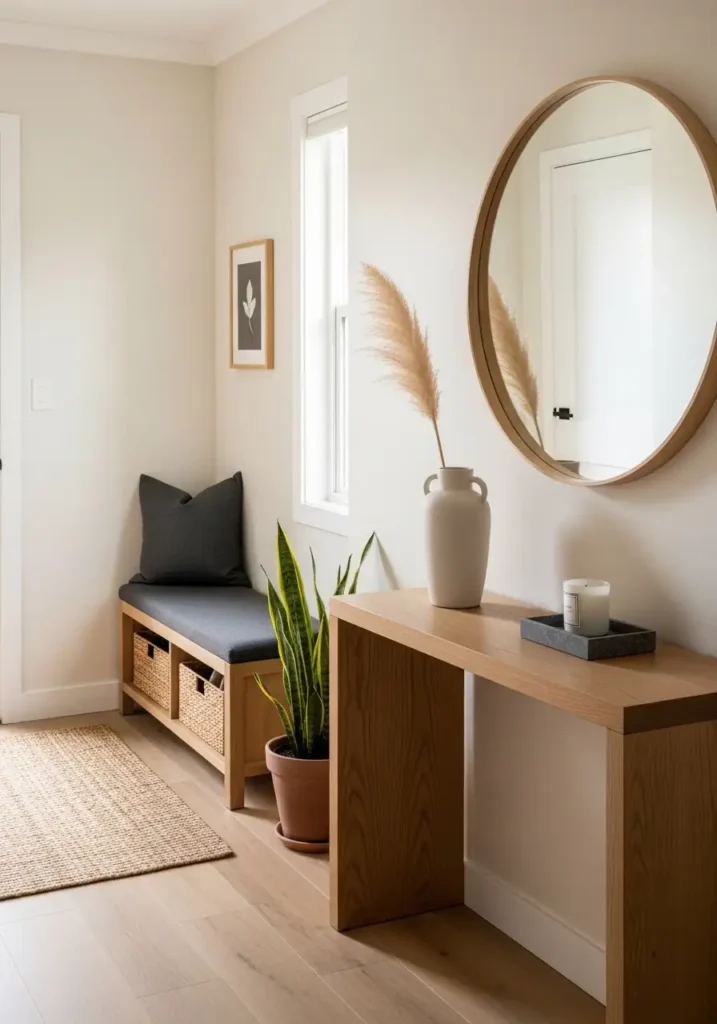
Your entryway sets the tone for the entire home. Include a simple wooden bench and a neutral rug. Keep decor minimal with perhaps one ceramic vase or plant. A clean, organized entrance instantly feels welcoming and serene.
Final Thoughts
Japandi design is about more than aesthetics—it’s a lifestyle centered on simplicity and intentional living. By combining Scandinavian warmth with Japanese minimalism, you can create a home that feels calm, balanced, and inviting. Focus on natural materials, neutral colors, and functional decor to achieve harmony. Small, thoughtful changes can transform any space into a peaceful retreat. Start incorporating these Japandi ideas and enjoy a beautifully warm, minimal home.