

Introduction: Homes Should Work Better
Contents
- 1 Introduction: Homes Should Work Better
- 2 1. Flexible Living Rooms
- 3 2. Indoor–Outdoor Flow
- 4 3. Smart Storage Walls
- 5 4. Multi‑Use Kitchens
- 6 5. Calm Color Palettes
- 7 6. Hidden Home Offices
- 8 7. Energy‑Smart Layouts
- 9 8. Compact Luxury Bathrooms
- 10 9. Outdoor Living Rooms
- 11 10. Seamless Flooring
- 12 11. Vertical Gardens
- 13 12. Simple Exterior Shapes
- 14 13. Zoned Lighting
- 15 14. Kid-Friendly Design
- 16 15. Purposeful Entryways
- 17 16. Quiet Nooks
- 18 17. Minimal Hardware
- 19 18. Natural Materials Inside
- 20 19. Private Outdoor Corners
- 21 20. Built-In Seating
- 22 21. Clear Sightlines
- 23 22. Quiet Tech Integration
- 24 23. Shared Family Zones
- 25 24. Simple Rooflines
- 26 25. Future-Ready Layouts
- 27 Wrap-Up
Most homes feel fine at first, but over time, rooms feel tight and storage feels random. Outdoor spaces sit empty. Daily life can feel stressful. Homeowners want clear ideas that actually work. They want designs that make living smoother, calmer, and more enjoyable. This page shows 25 practical ideas, explained simply, to help interior and exterior spaces support real life, not just look good.
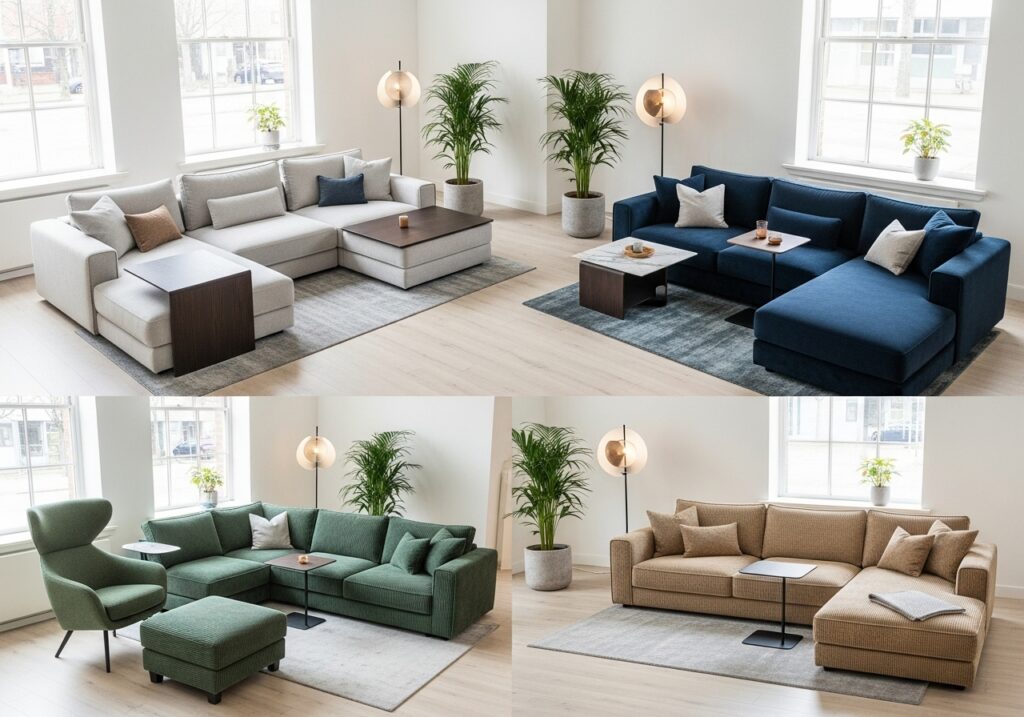
1. Flexible Living Rooms
A flexible living room adapts to your life. Moveable sofas, foldable tables, and open layouts let you host friends, relax, or do homework without crowding. One day it’s a movie night. The next, a reading corner. The flexibility makes daily life easier. You get a space that works for you, not one that forces you to adjust.
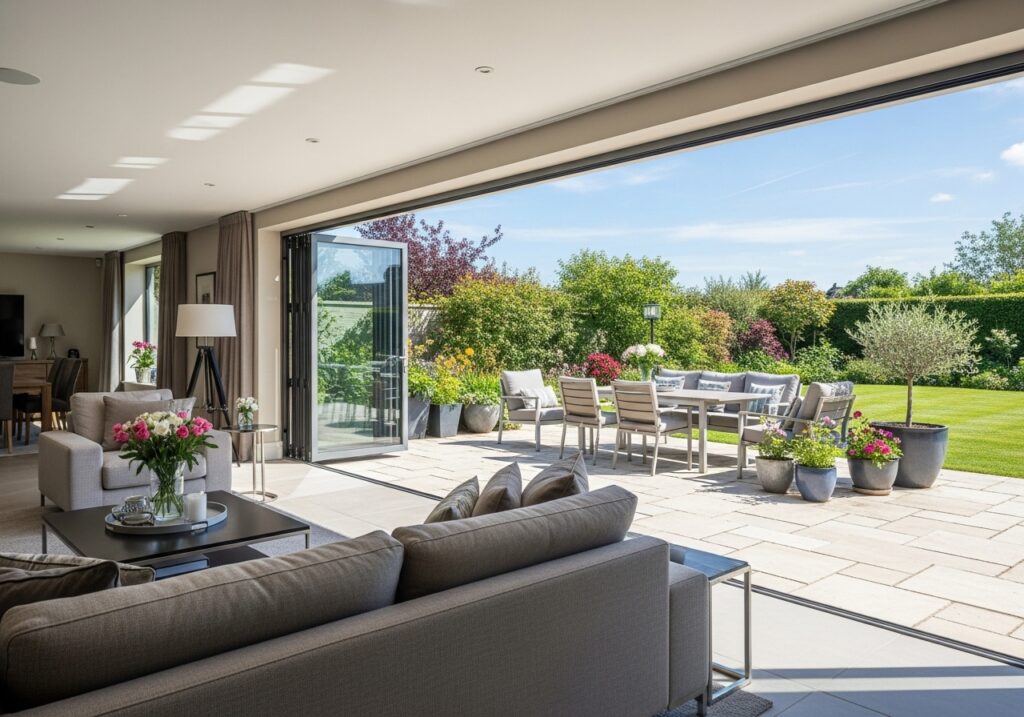
2. Indoor–Outdoor Flow
Indoor and outdoor areas should feel connected. Sliding glass doors or folding walls blur boundaries. Matching floors extend the living area outside. Gardens, patios, or decks feel like part of the home. Fresh air and natural light flow freely. Children can play while adults relax. This design brings a sense of freedom and space without expanding walls.
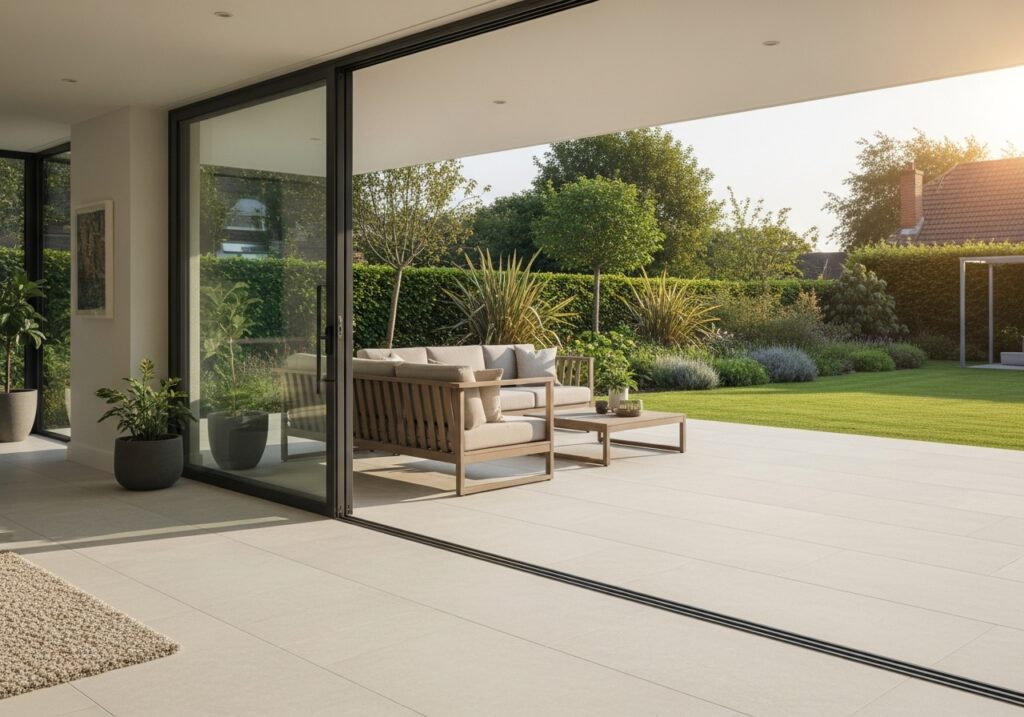
3. Smart Storage Walls
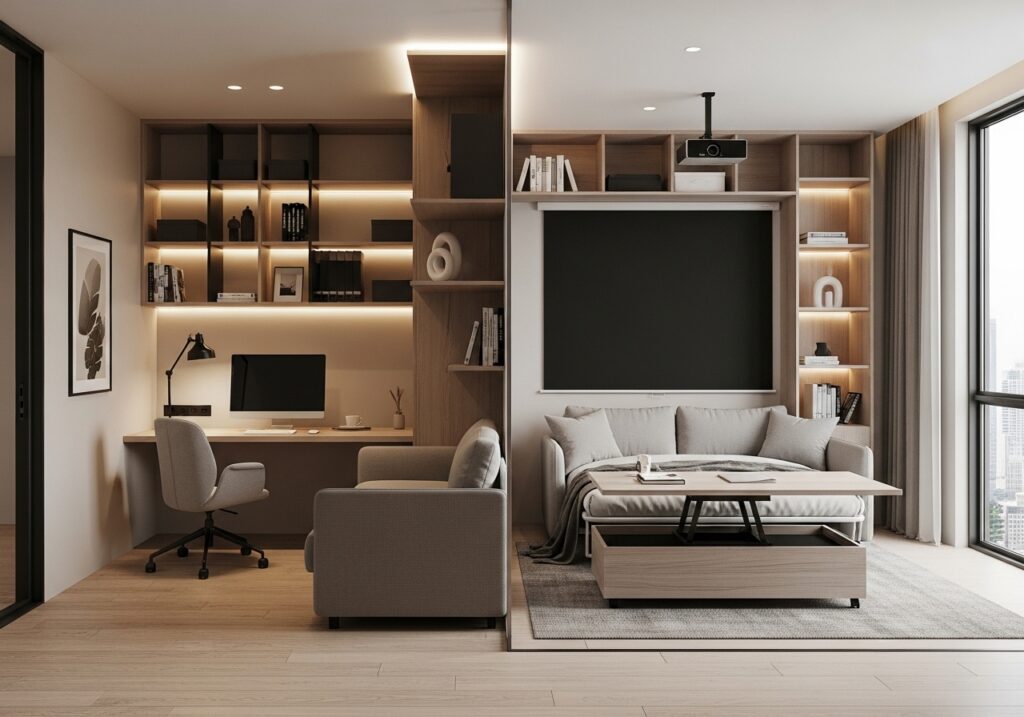
Clutter disappears with smart storage walls. Tall cabinets, recessed shelves, and hidden compartments store belongings without taking space. Everything has a place: books, toys, linens, and gadgets. Rooms feel larger and calmer. It’s a practical design that keeps daily life organized. Storage walls make messy areas invisible, reducing stress and maintaining a neat appearance.
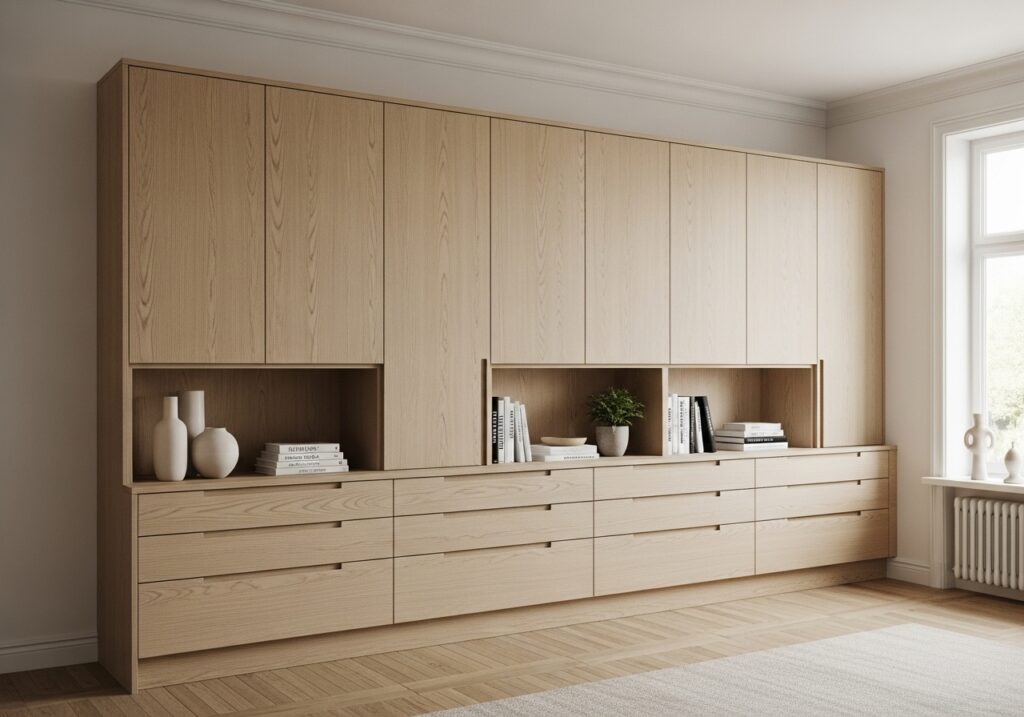
4. Multi‑Use Kitchens
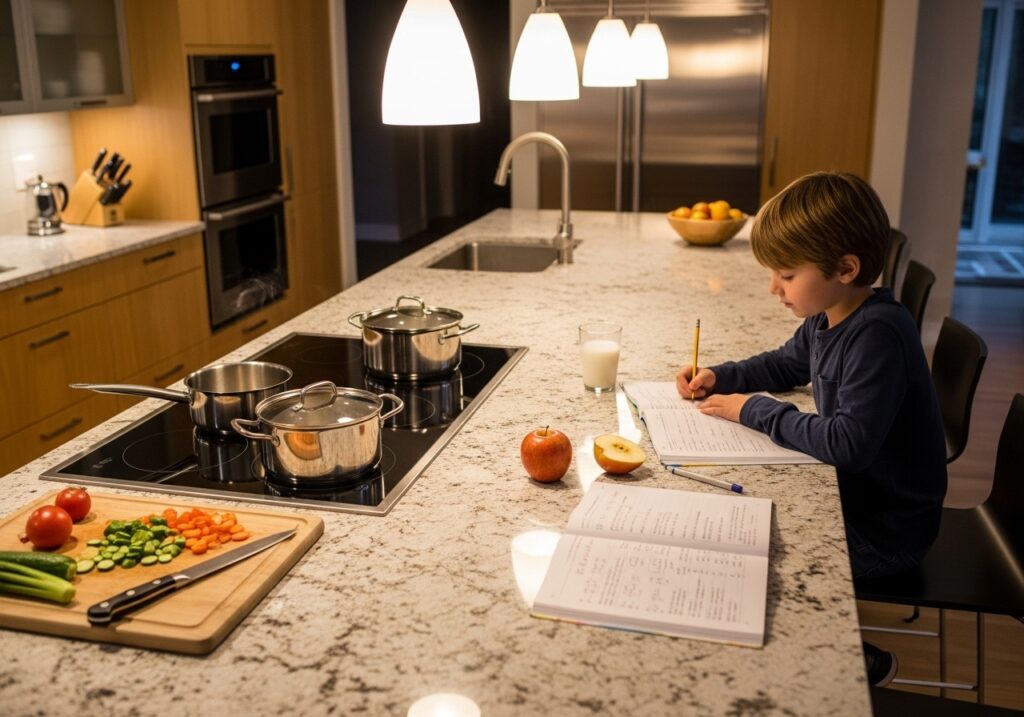
Kitchens are no longer just for cooking. Islands act as desks, breakfast spots, or homework stations. Drawers store office supplies alongside kitchen tools. Open layouts keep cooking and family activities in one flow. A well-designed kitchen becomes the home’s heart, handling meals, study, and gatherings efficiently. It’s convenience and functionality rolled into one central space.
5. Calm Color Palettes
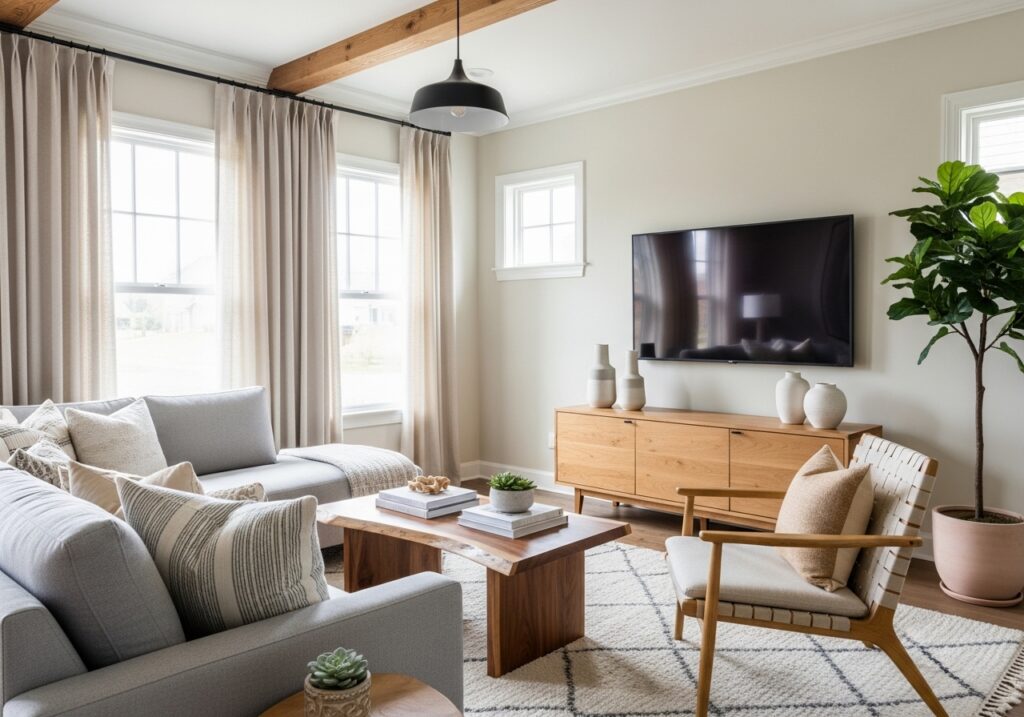
Soft, neutral colors reduce visual stress. Warm whites, pale earth tones, and muted greys help spaces feel open and inviting. They let furniture, textures, and light shine without fighting for attention. Calm palettes create a cozy, steady home environment. Rooms feel wider, brighter, and more peaceful, letting occupants relax naturally and enjoy daily life.
6. Hidden Home Offices
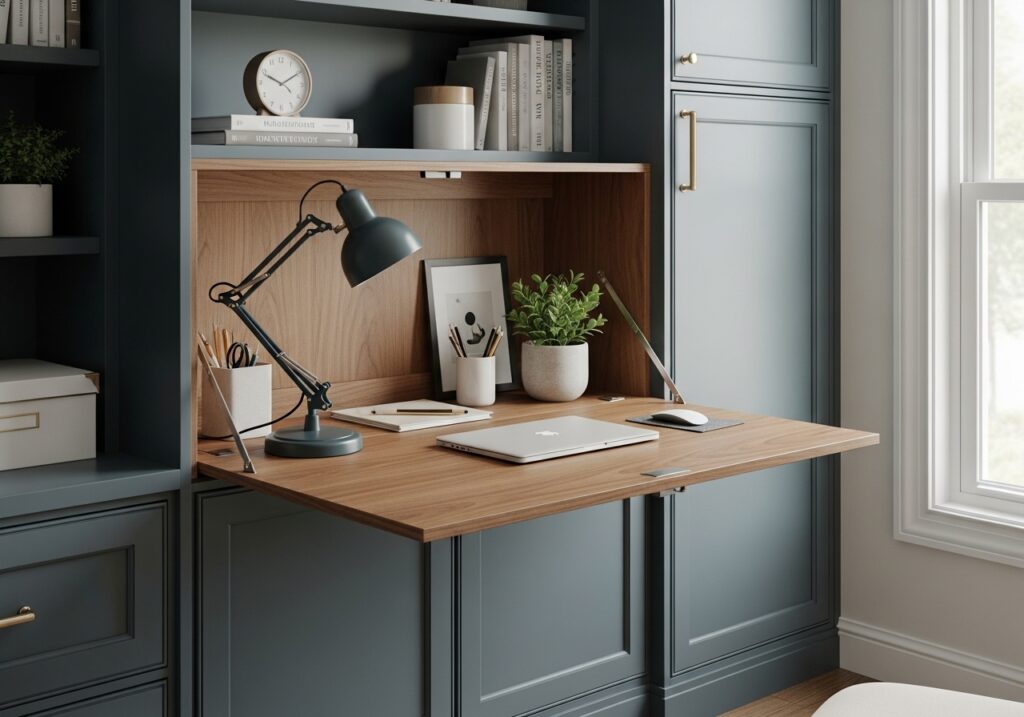
Workspaces don’t need to dominate your home. Fold-down desks inside closets or cabinets hide work at the end of the day. Chairs tuck away. Files remain stored neatly. You can work efficiently without seeing clutter after hours. Hidden offices allow spaces to switch between work, study, and rest seamlessly, giving the home a balanced, peaceful feel.
7. Energy‑Smart Layouts
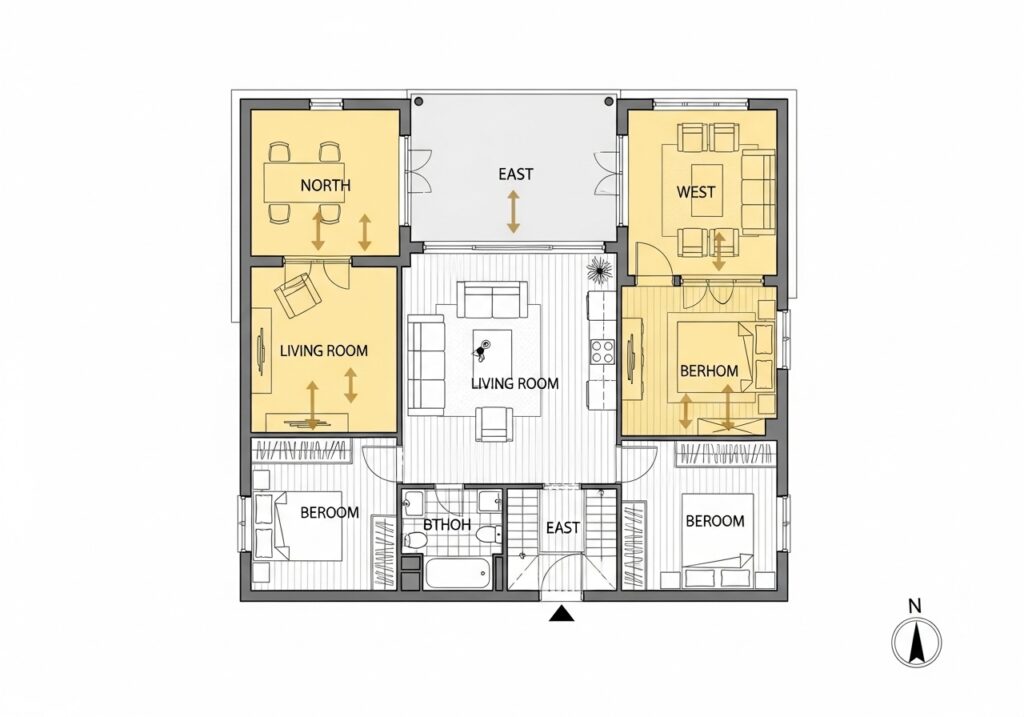
A well-placed window can save energy. South-facing windows warm spaces naturally in winter, while shading keeps rooms cool in summer. Rooms get more sunlight and airflow, reducing reliance on heating or cooling. Smart layouts cut energy costs, increase comfort, and make homes feel airy. Thoughtful positioning of living areas can save money while improving daily life.
8. Compact Luxury Bathrooms
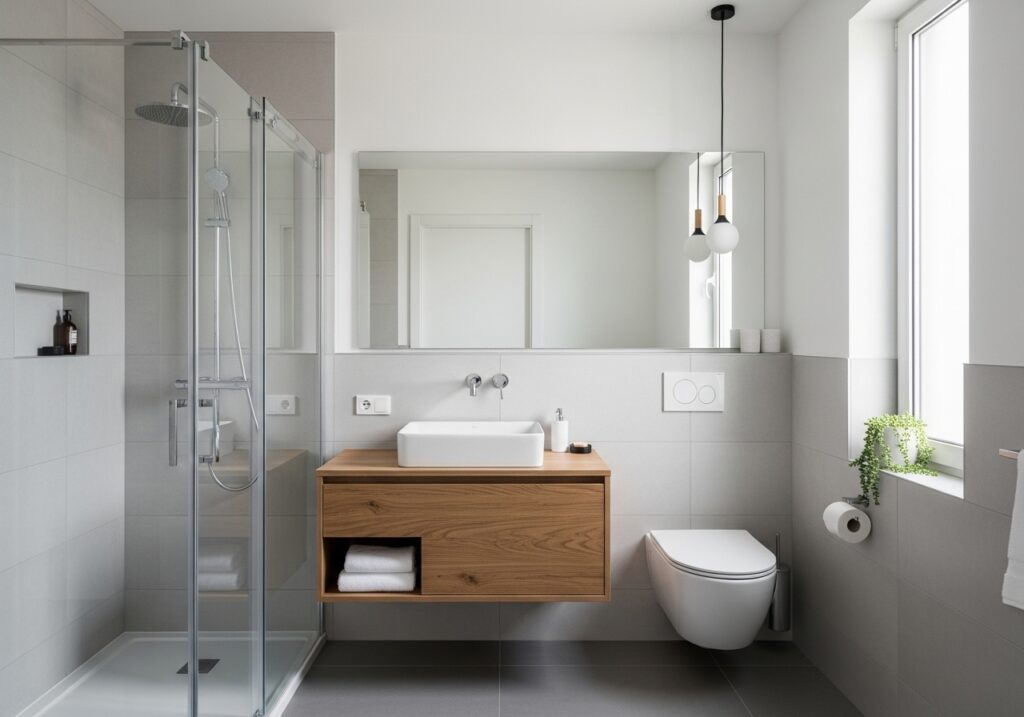
Even small bathrooms can feel spacious. Wall-mounted sinks, frameless glass showers, and clever mirrors open visual space. Storage fits neatly under counters. Soft lighting adds warmth. Compact designs give comfort and style without crowding. You feel relaxed, not cramped, and your bathroom becomes a practical retreat rather than just a functional space.
9. Outdoor Living Rooms
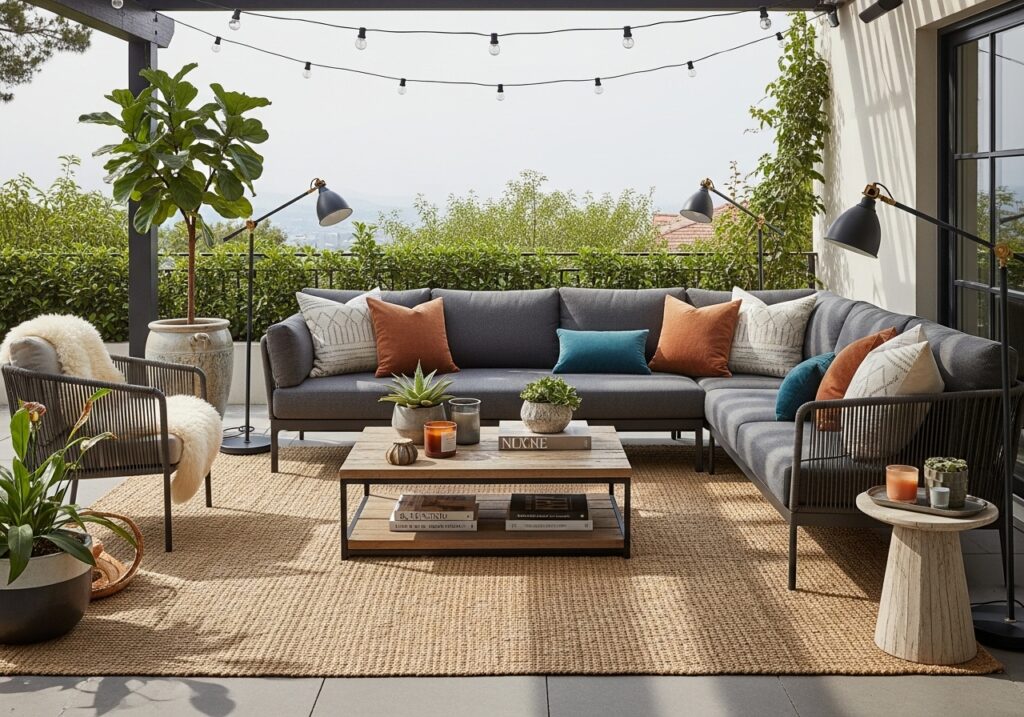
Backyards can act as real living spaces. Covered areas, weather-resistant furniture, and rugs create comfort. Outdoor lounges host meals, reading, or family gatherings. You can enjoy fresh air without losing indoor comfort. Outdoor living rooms make gardens and patios useful year-round. They extend living space without expensive additions.
10. Seamless Flooring
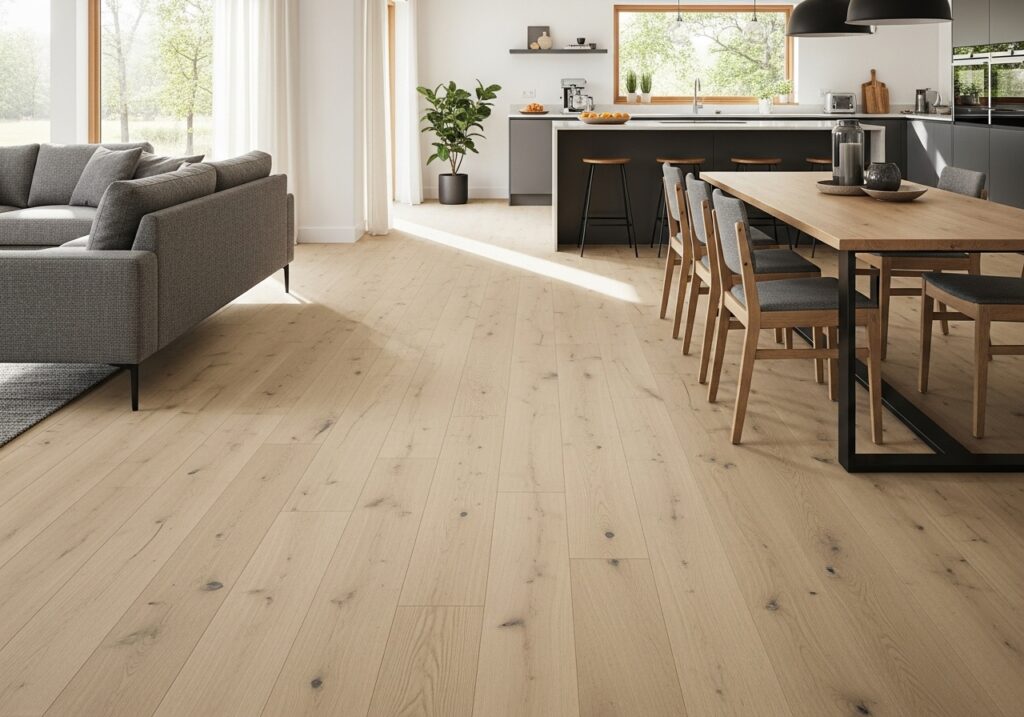
Matching floors across rooms make homes feel connected. No visual stops. Walking from kitchen to living room feels natural. Spaces appear larger. Consistent materials guide the eye smoothly and reduce chaos. It’s a simple change with noticeable impact on perception of space and room flow.
11. Vertical Gardens
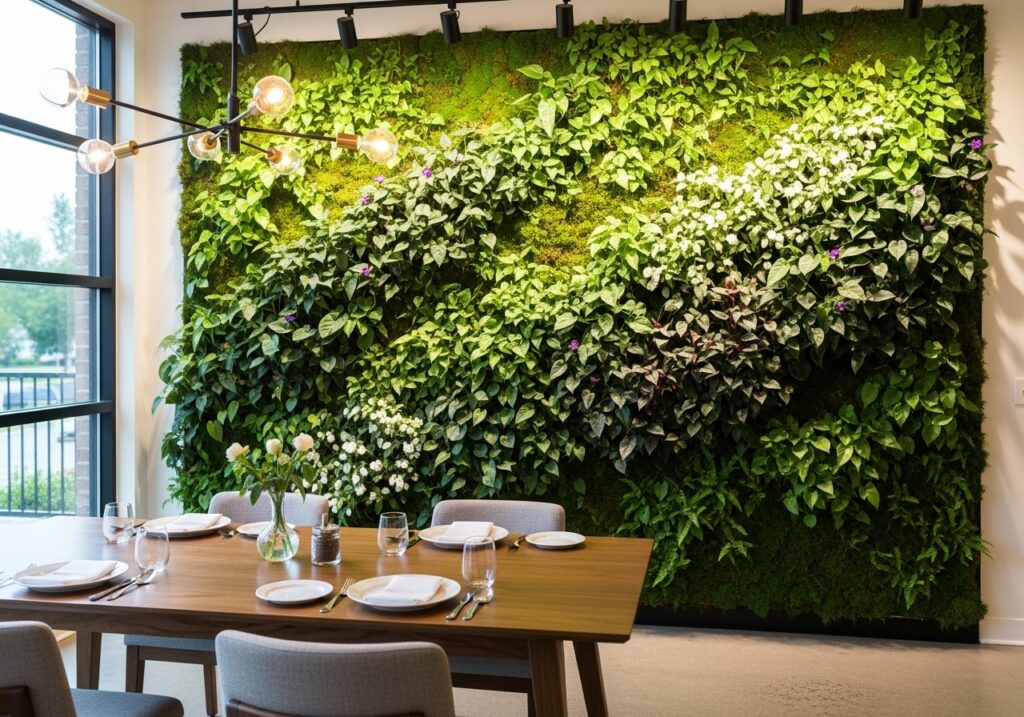
Indoor plants don’t need floor space. Wall-mounted gardens clean the air and soften hard lines. Vertical greenery brings color and calm. Living walls make rooms feel fresher and alive, with minimal footprint. You get the benefits of nature indoors, making spaces feel more comfortable and less sterile.
12. Simple Exterior Shapes
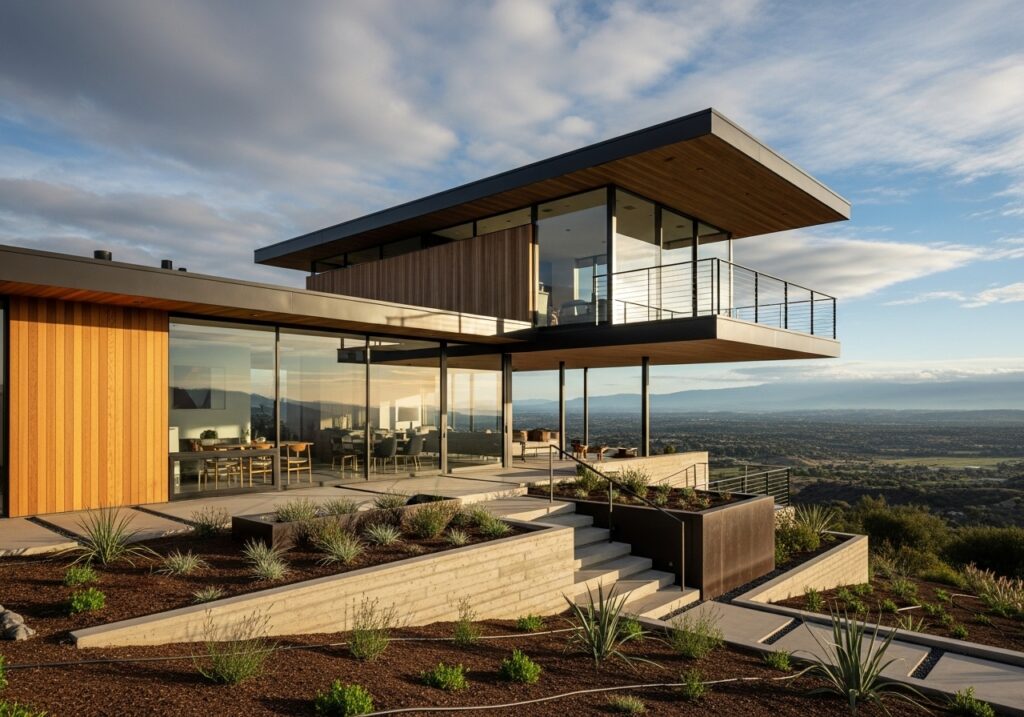
Complex roofs and facades age poorly. Clean lines, balanced windows, and flat or gentle roof slopes last longer and look tidy. Simple shapes reduce maintenance and create a timeless appearance. Your home feels composed and calm from the outside. Simple forms can still have personality without clutter or confusion.
13. Zoned Lighting
Different lights for different needs improve comfort. Bright zones handle work and cooking. Soft zones set mood for relaxation. Dimmers adjust for evenings. Layered lighting supports each activity naturally. Proper lighting transforms rooms from functional to pleasant while avoiding harsh glare or shadows.

14. Kid-Friendly Design
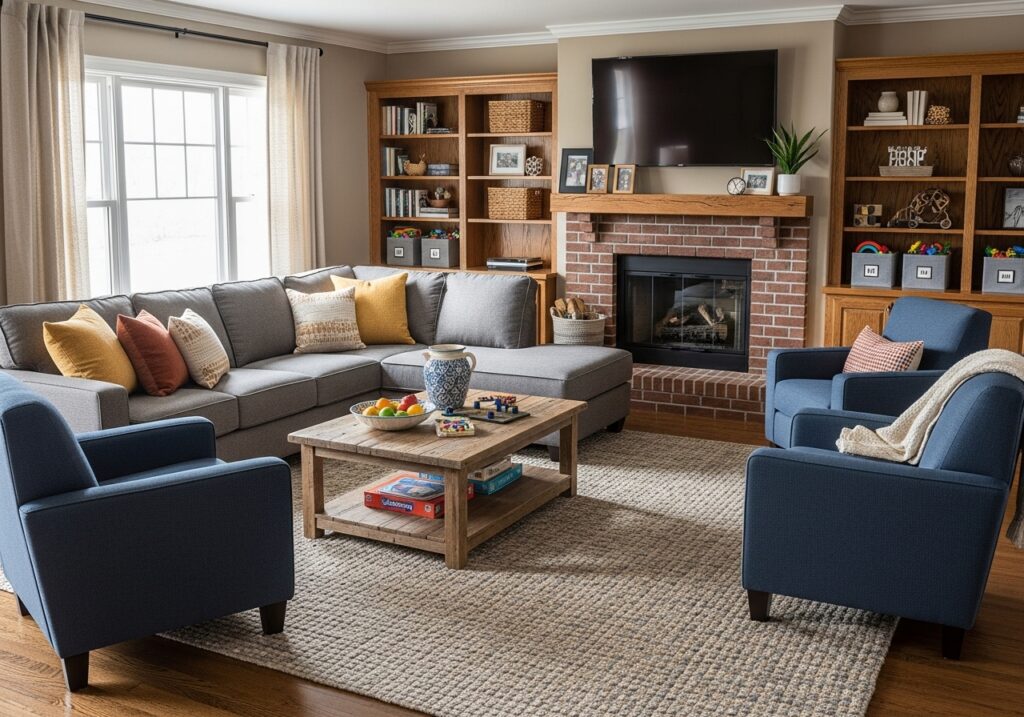
Homes must grow with families. Rounded furniture corners, washable surfaces, and open sightlines make life easier. Kids move freely without constant worry, and cleanup is easier. Spaces remain functional while being safe. Thoughtful kid-friendly features reduce stress while keeping design stylish and practical.
15. Purposeful Entryways
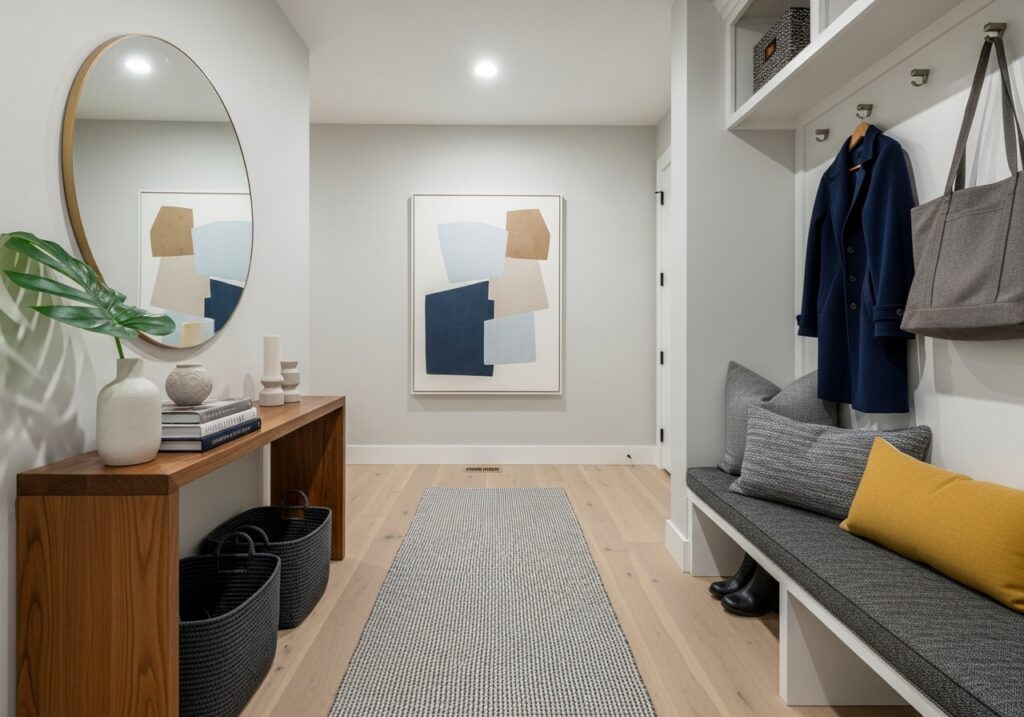
A tidy entrance sets the tone. Hooks, benches, shelves, and baskets stop clutter at the door. Shoes, bags, and keys stay organized. You enter and exit with ease. A practical entryway keeps the home feeling clean and helps daily routines flow smoothly.
16. Quiet Nooks
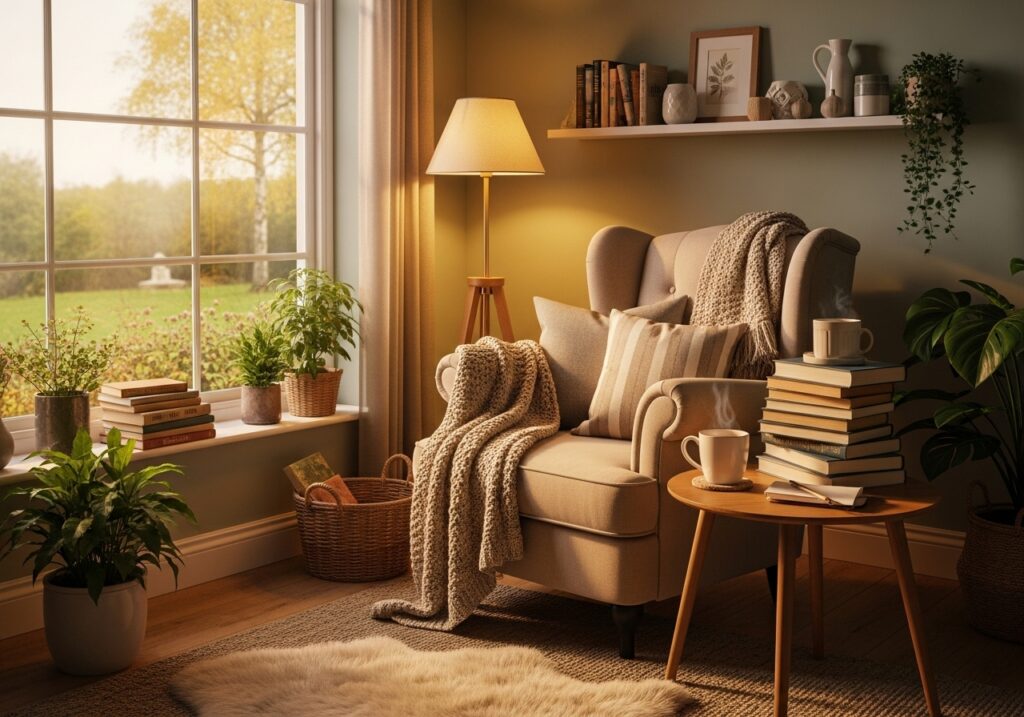
Small retreats support mental breaks. Window seats, alcoves, or corner chairs provide private spaces. A little quiet helps focus, read, or rest. It’s a low-effort way to give homes personality and calm. Every family member can find a pause without needing a separate room.
17. Minimal Hardware
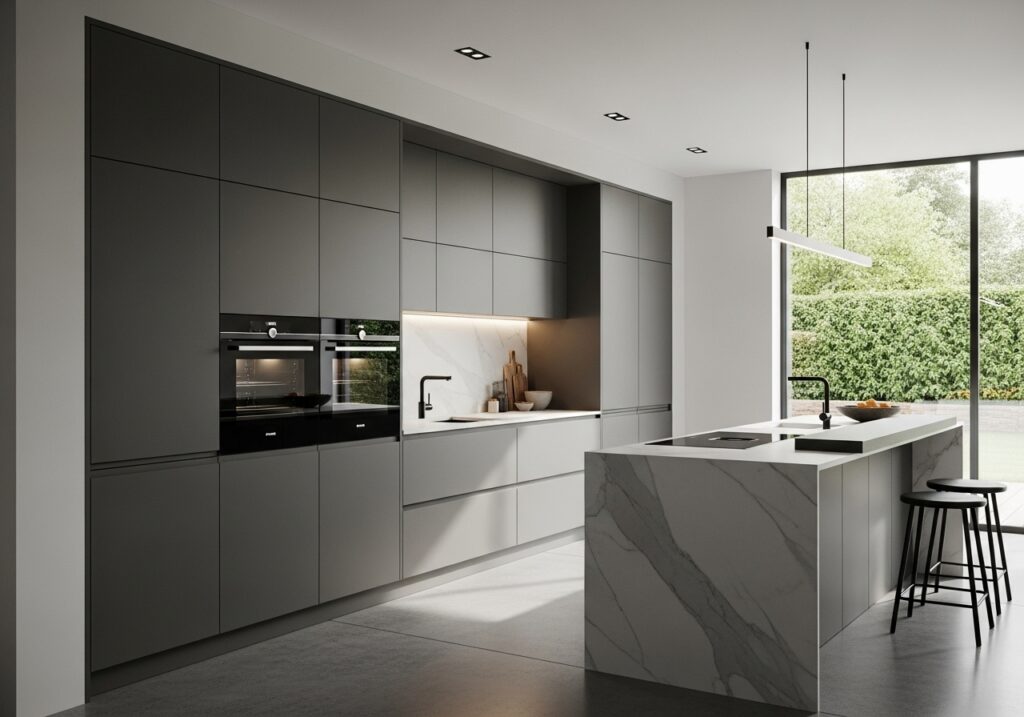
Cabinets and doors with hidden or handle-less hardware keep lines clean. Minimal hardware reduces visual clutter and makes spaces look calm and modern. Rooms appear seamless, and surfaces feel larger. Subtle changes in design create a smoother, more organized atmosphere.
18. Natural Materials Inside
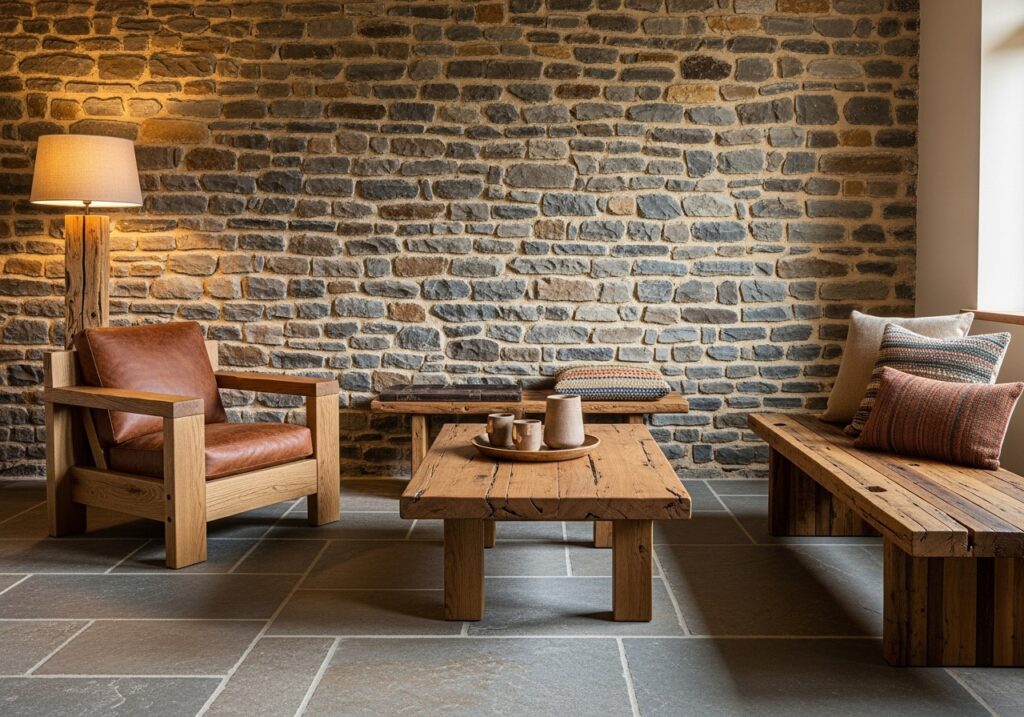
Wood, stone, and linen give warmth and honesty to interiors. Natural textures age gracefully, feel tactile, and ground spaces. They balance modern minimalism with comfort, preventing rooms from feeling cold or artificial. Using nature-inspired materials improves mental comfort and visual appeal.
19. Private Outdoor Corners
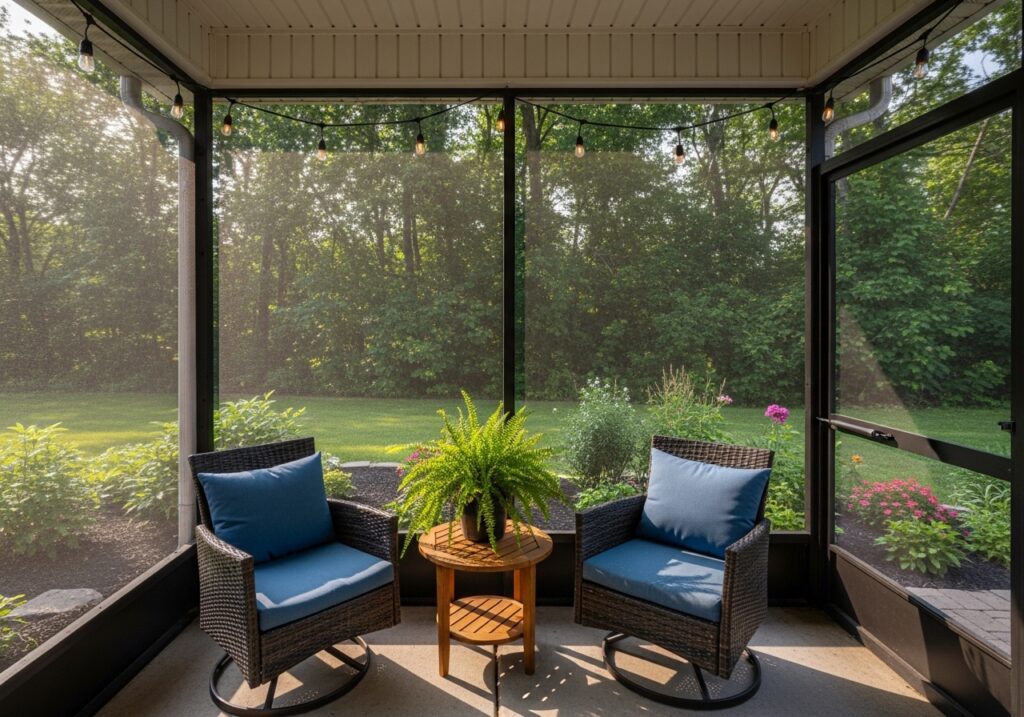
Privacy doesn’t require large yards. Screens, angled walls, and plants create small personal retreats. You can enjoy outdoors safely and quietly. Even tiny patios feel secure and cozy. These corners make outdoor living usable and relaxing, giving you a break from household noise.
20. Built-In Seating
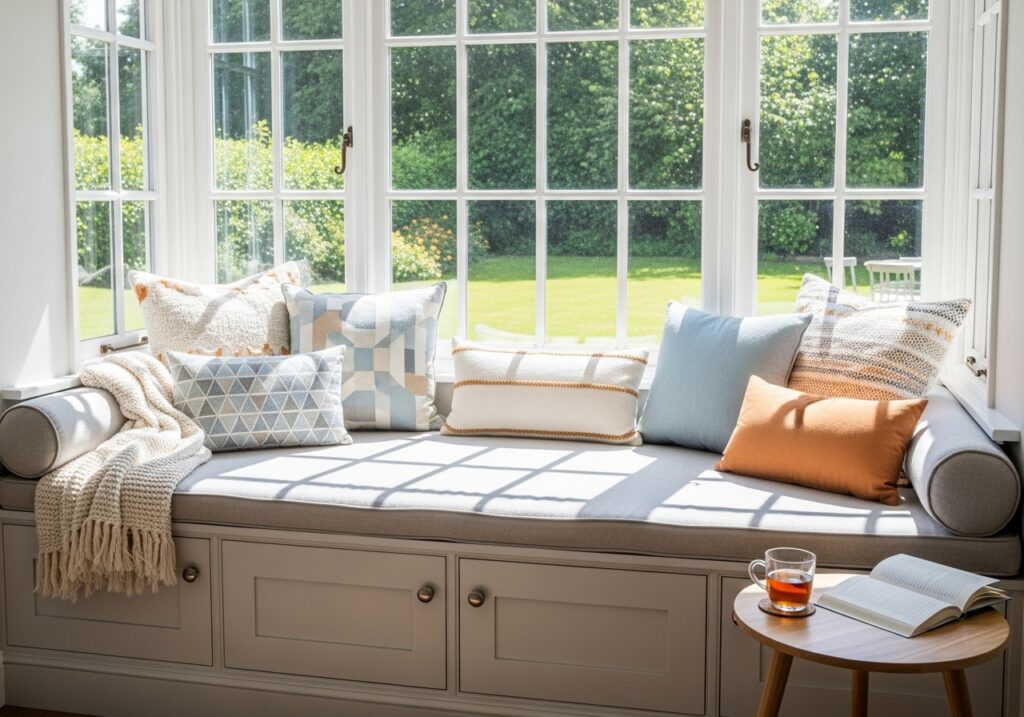
Fixed benches and window seats save space while offering comfort. Hidden storage under seating keeps rooms neat. Furniture stays in place. It feels intentional and functional, freeing floor space for other uses. Built-in seating enhances utility without sacrificing style.
21. Clear Sightlines
Open sightlines help rooms feel larger. Fewer walls and visible paths make movement easier. Parents can watch kids. Guests feel welcomed. Clear lines create visual calm and guide the eye naturally through spaces, reducing feeling of clutter or confinement.
22. Quiet Tech Integration
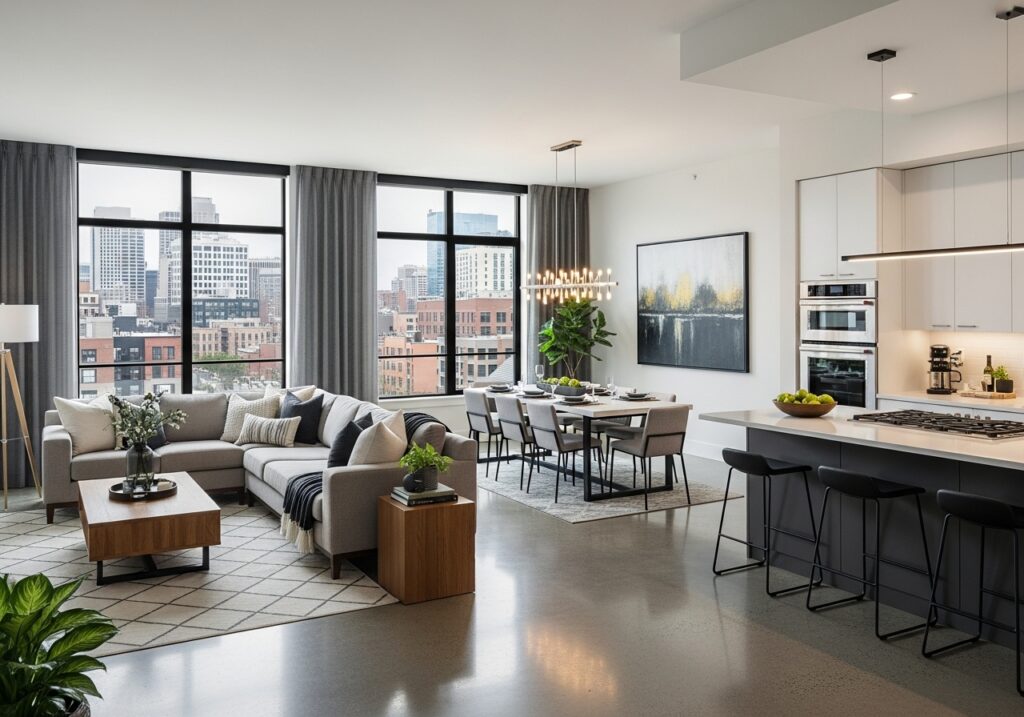
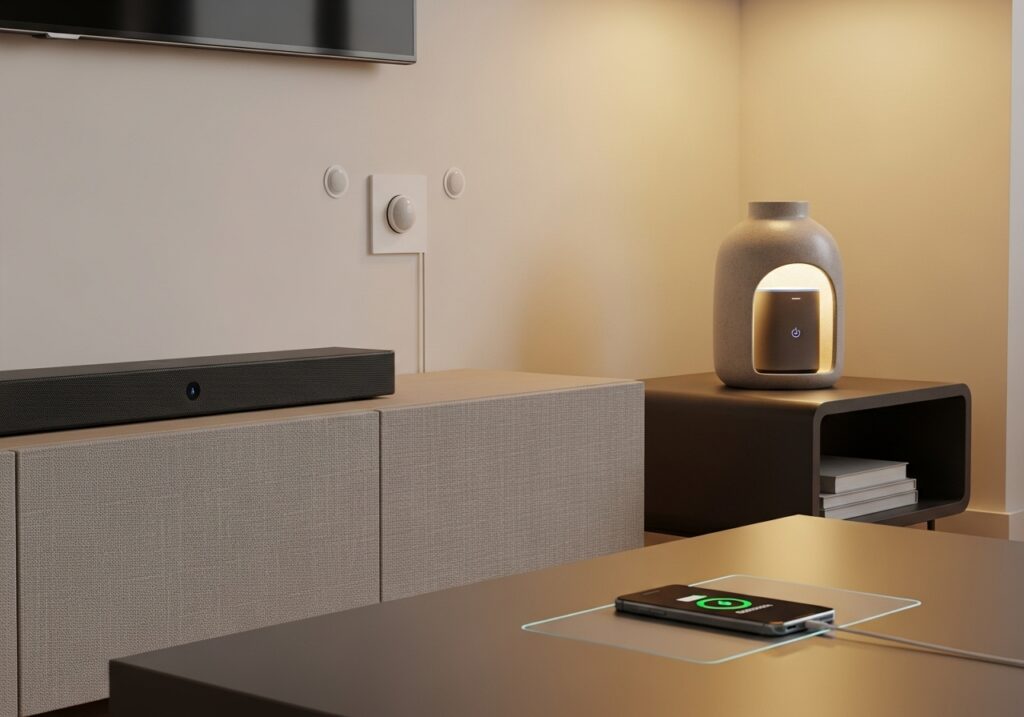
Electronics blend into interiors. TVs, speakers, and remotes hide in walls or cabinets. Tech is available without dominating spaces. Rooms feel calm, clean, and focused. Invisible tech supports life without overwhelming it.
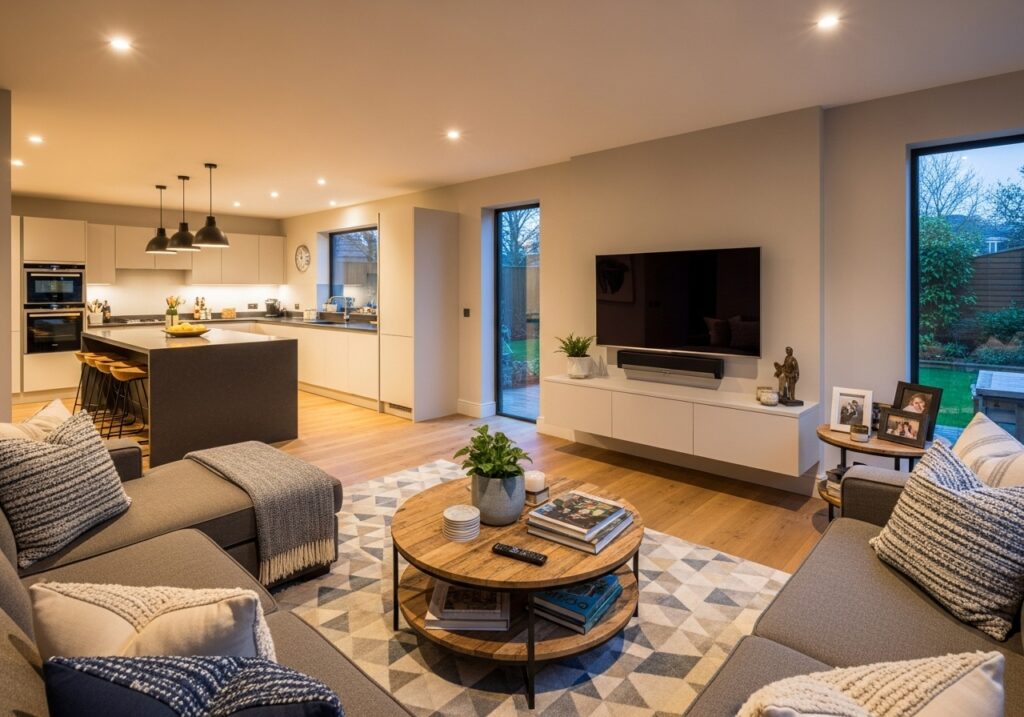
Spaces near kitchens or lounge areas encourage connection. Casual seating allows conversation and shared time. These zones support everyday interactions without forcing formal gathering rooms. Families naturally spend more time together, making homes feel lively and welcoming.
24. Simple Rooflines
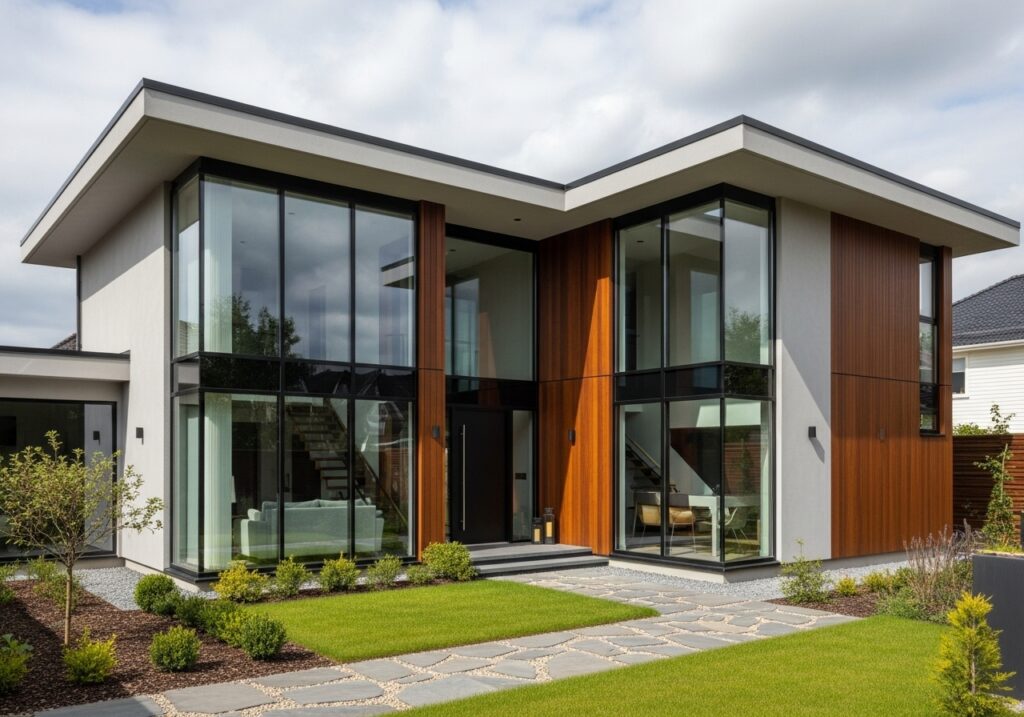
Complex rooflines can feel heavy. Clean, simple roofs reduce shadows and maintenance. They make homes look tidy from outside and help rainwater run efficiently. Simple shapes last longer visually and functionally, supporting practical daily life.
25. Future-Ready Layouts
Rooms that change with life reduce stress. A bedroom becomes an office. A guest room becomes a playroom. Flexible layouts save remodeling costs. Homes stay functional and valuable. Spaces adapt to your life, not the other way around.
Wrap-Up
Good home design focuses on clarity, comfort, and functionality. Each idea helps your home support real life. Modern living isn’t about trends. It’s about making daily life simpler, calmer, and more enjoyable, inside and out.