
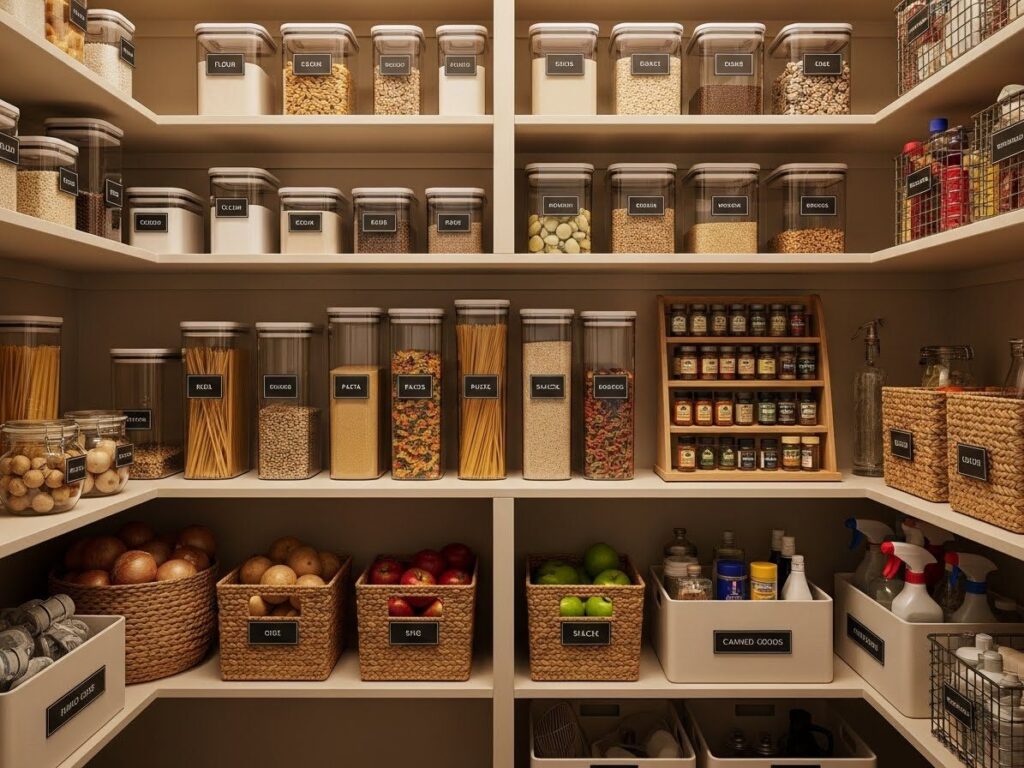
Tired of digging through cluttered shelves every time you cook? Imagine opening your pantry and finding everything perfectly in place—spices, snacks, and essentials all neatly organized. With these 15 Pantry Organization Ideas for a Functional Kitchen, you can finally turn chaos into calm and make cooking a joy again. Whether you have a tiny pantry or a spacious one, these tips will transform your storage game. Plus, we’ll show you how clever Kitchen Layout Ideas can maximize every inch, making your kitchen as functional as it is beautiful. You won’t want to miss a single idea!
1. Start with a Clean Slate
Contents
- 1 1. Start with a Clean Slate
- 2 2. Group Items into Logical Categories
- 3 3. Define Functional Zones
- 4 4. Invest in Clear Storage Containers
- 5 5. Maximize Vertical Space
- 6 6. Use Baskets and Bins for Loose Items
- 7 7. Add Pull-Out Drawers or Sliding Shelves
- 8 8. Create a Spice-Friendly Area
- 9 9. Make Smart Use of Pantry Doors
- 10 10. Try a Lazy Susan for Deep Corners
- 11 11. Use Labels Strategically
- 12 12. Create a Grab-and-Go Snack Station
- 13 13. Keep a Pantry Inventory System
- 14 14. Maintain With Weekly Habits
- 15 15. Personalize Your Pantry Space
- 16 Final Thoughts
Before you begin reorganizing, it’s essential to empty your pantry completely. Remove all items from shelves, drawers, and bins so you can see what you truly have. Toss expired goods, donate non-perishables you won’t use, and set aside items that belong elsewhere in your home. This first step might take time, but it sets the foundation for a system that lasts. Knowing what you have — and what you don’t — makes organizing simpler and prevents future clutter.
2. Group Items into Logical Categories
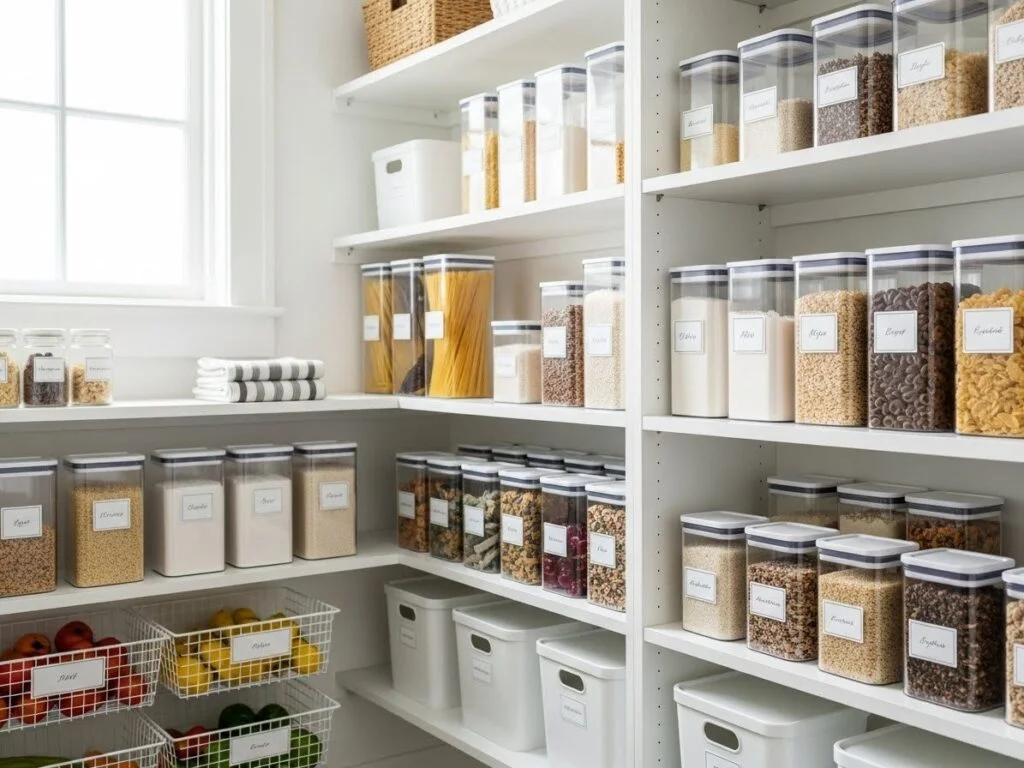
Once the pantry is empty, the next step is to group items into categories based on how you use them. Categories might include baking essentials, breakfast foods, sauces, snacks, canned goods, grains, pasta, spices, and beverages. By grouping similar items together, you create a rhythm and logic to your storage system. This not only helps you find what you’re looking for faster but also helps you spot duplicates you might accidentally buy otherwise.
3. Define Functional Zones
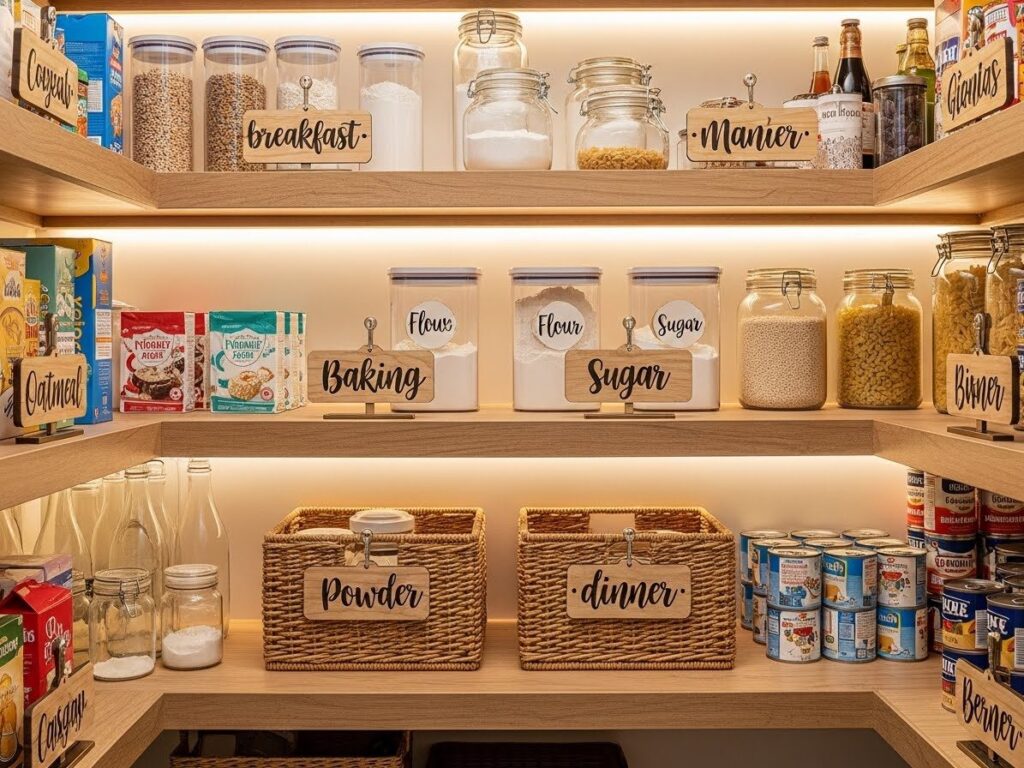
When you put items back, assign each category a specific “zone” or area on a shelf. For example, designate a lower shelf for breakfast foods, a central shelf for everyday cooking staples, and a higher shelf for bulk or rarely used ingredients. You might even have a snack zone for kids or quick-grab items. Zoning makes it easier to maintain order because each item has a purpose-driven home. It also aligns with how you move through your kitchen during meal prep.
You may need to know about the : Home Organization Hacks
4. Invest in Clear Storage Containers
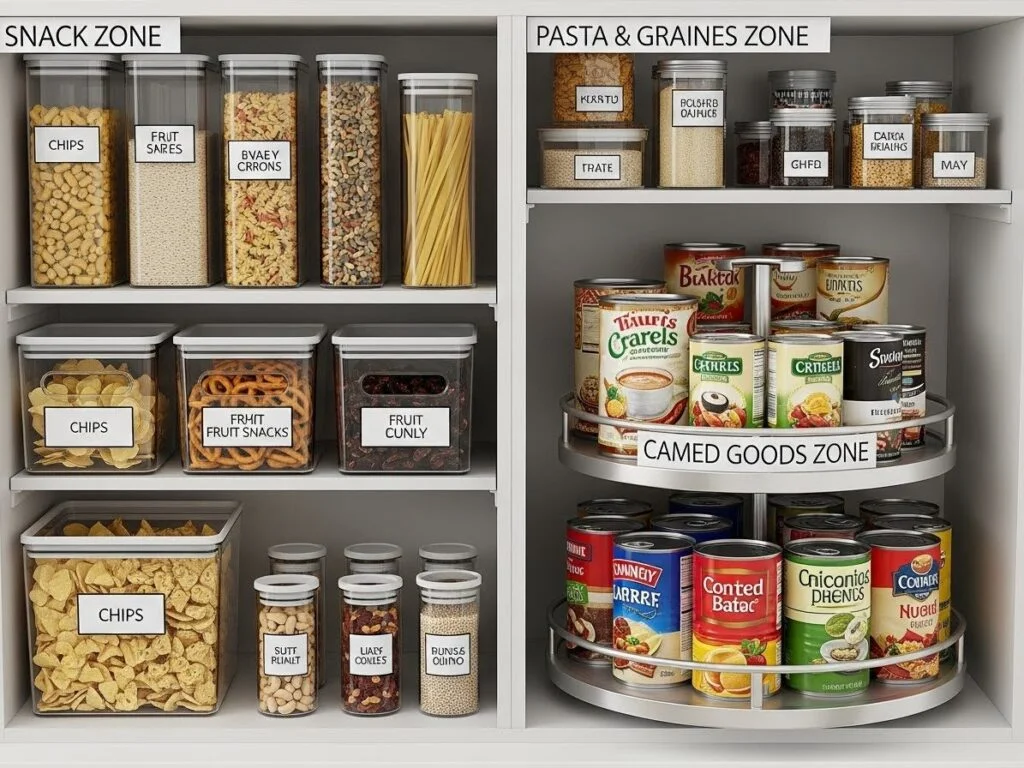
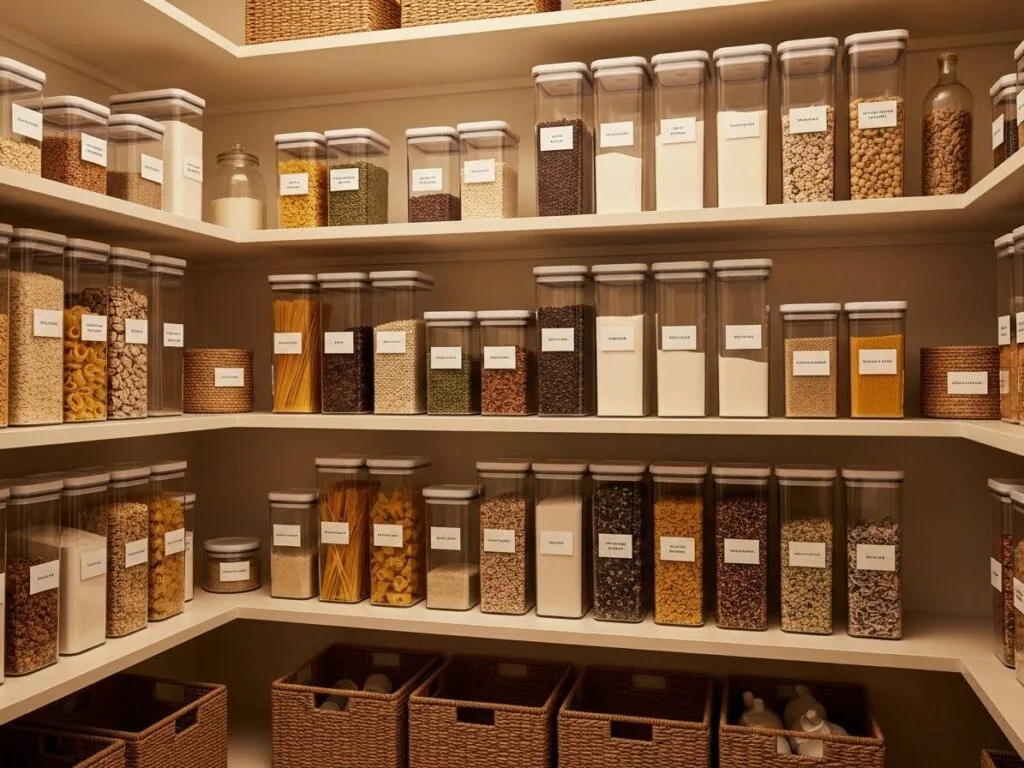
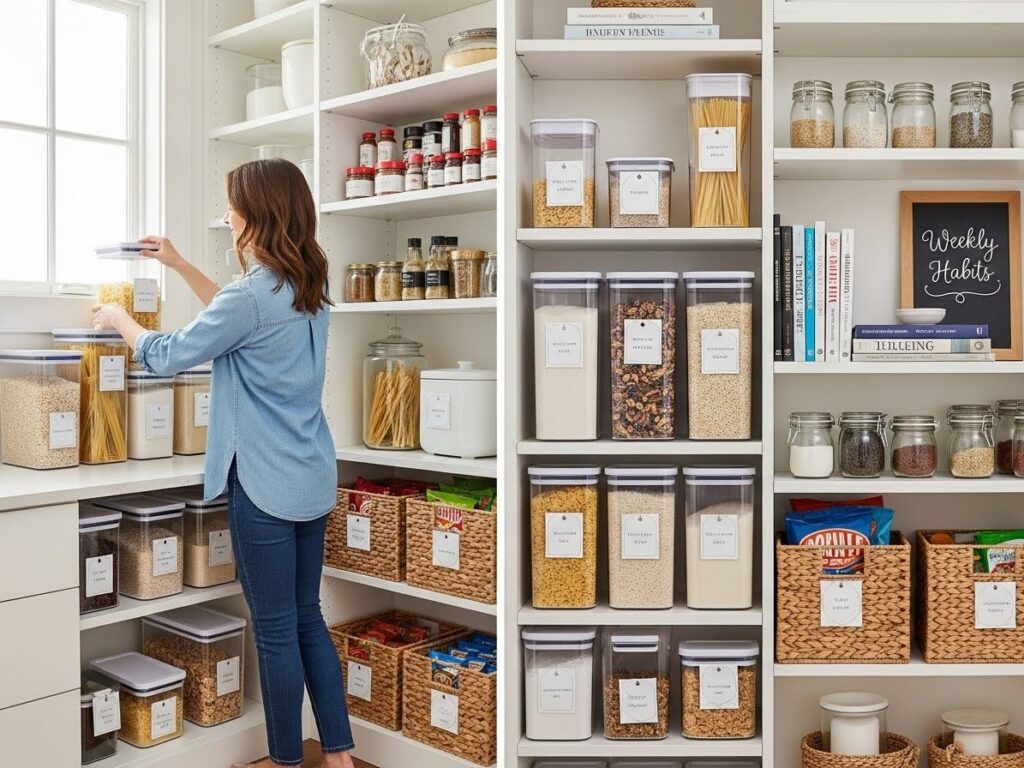
Clear containers are one of the most transformative pantry organization ideas because they both streamline and beautify your pantry. Transfer dry goods like rice, flour, pasta, and cereals from bulky packages into uniform, airtight containers that stack neatly on shelves. These containers make it easy to see quantities at a glance so you don’t buy more of something you already have. They also protect foods from pests and spills, and their uniform shape uses shelf space more efficiently.
5. Maximize Vertical Space
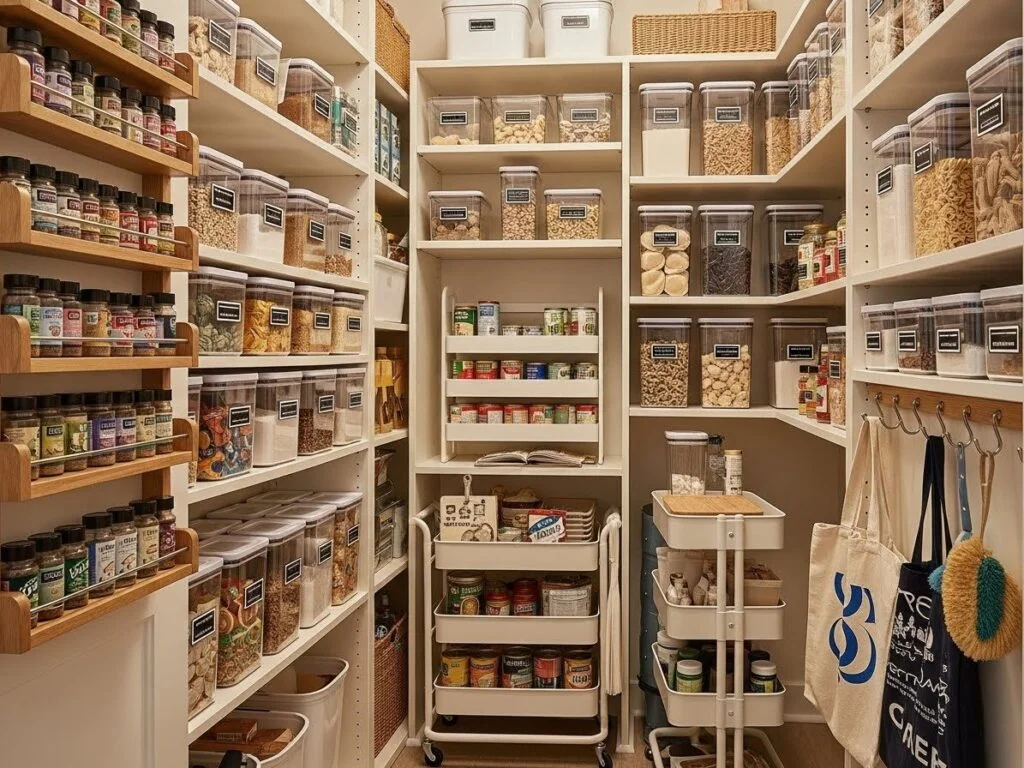
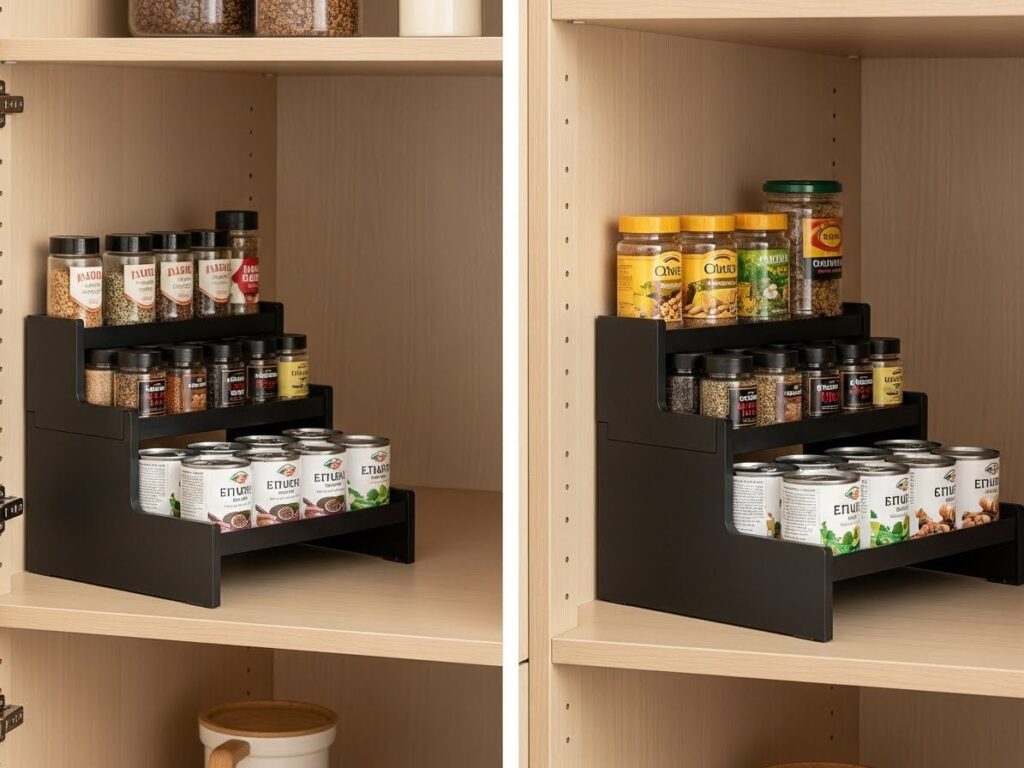
Many pantries have lots of unused vertical space above shelves. Adjustable shelving allows you to customize shelf height for items of different sizes — tall cereal boxes here, short spice jars there — instead of wasting space above a single shelf. Adding risers or tiered racks also helps bring smaller items into view so nothing hides in the back. With this approach, every shelf becomes more useful and visible.
6. Use Baskets and Bins for Loose Items
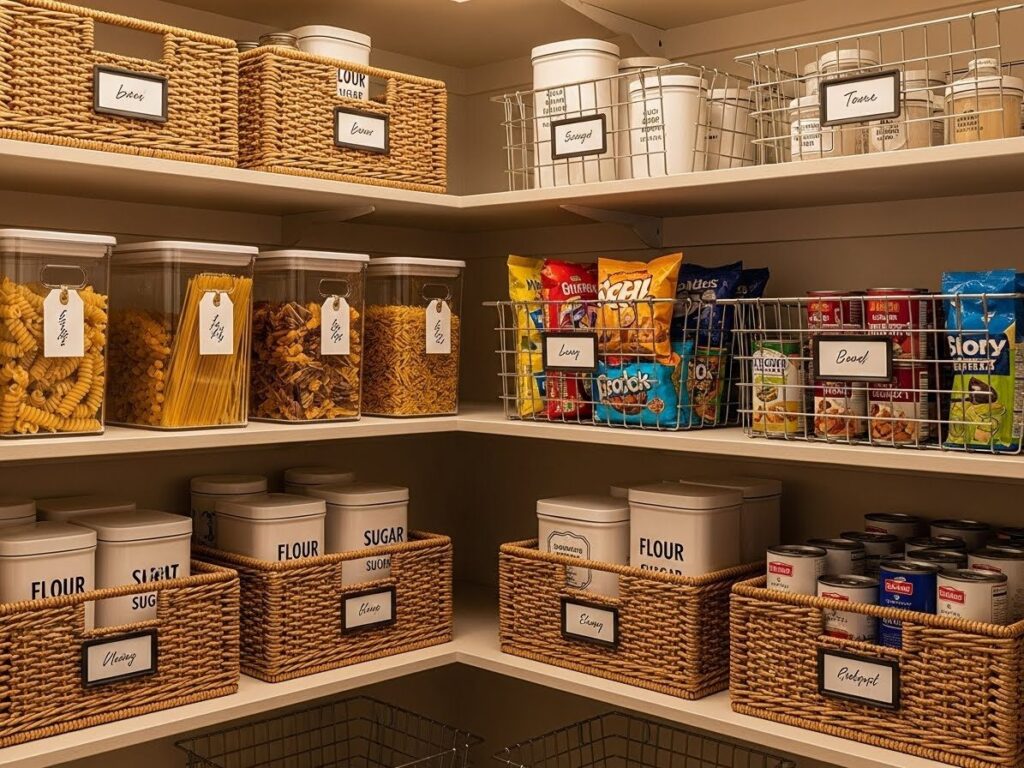
Not everything fits neatly into jars and containers. For things like chips, snack packs, onions, or even extra utensils, baskets and bins are highly effective. Woven baskets add warmth and texture while keeping items together so they don’t spill across your shelves. You can even designate baskets for seasonal items or party supplies. A label on the front of each basket ensures that everything goes back where it belongs.
7. Add Pull-Out Drawers or Sliding Shelves
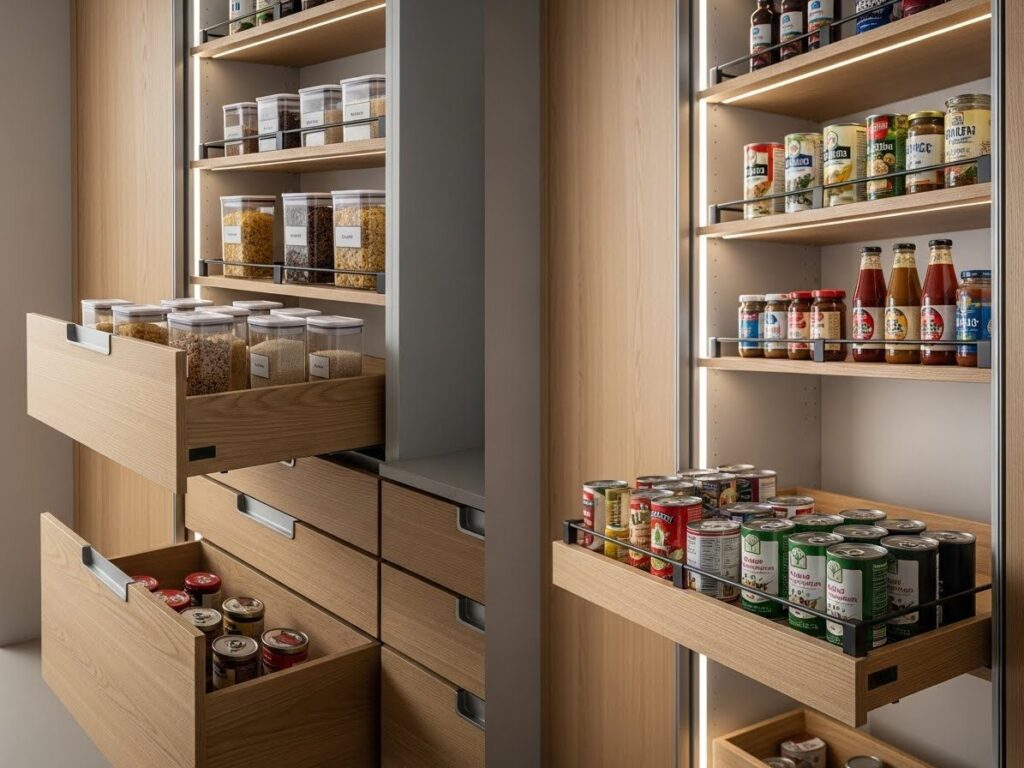
If your pantry has deep shelves, you might struggle to reach items at the back. Pull-out drawers or sliding shelves change that by bringing the contents forward so nothing gets lost or forgotten. These systems work particularly well for heavier items like bags of flour or cans, and they dramatically improve accessibility and visibility. You’ll spend less time digging and more time enjoying a functional pantry.
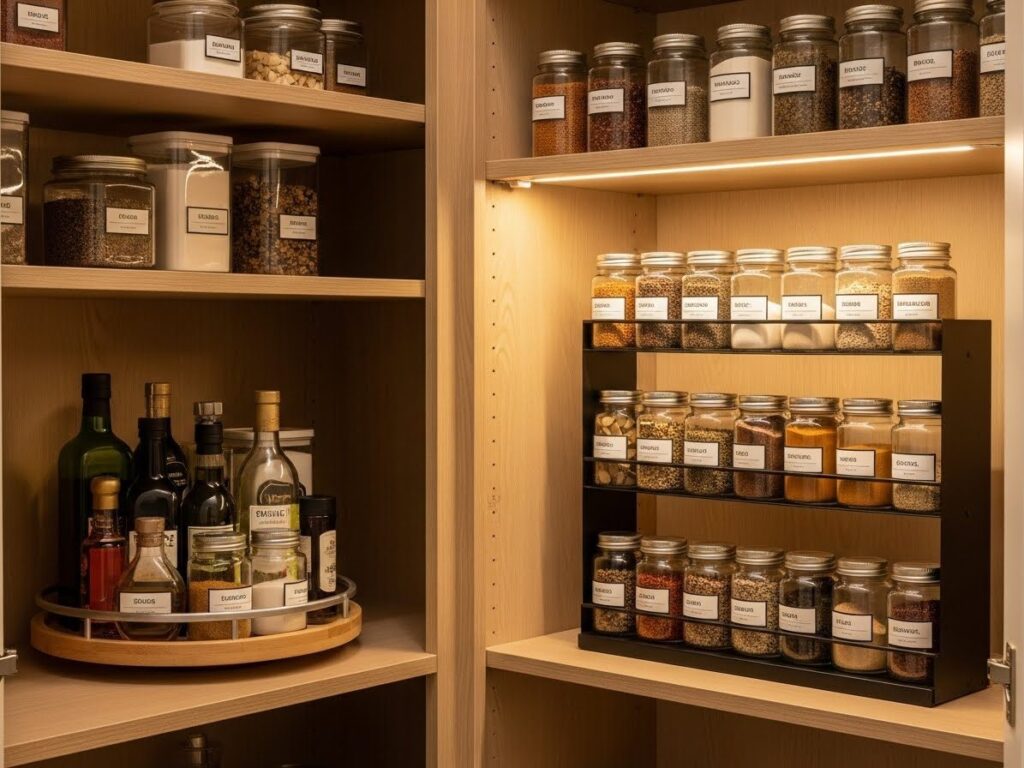
8. Create a Spice-Friendly Area
Spices can easily create clutter if they’re just tossed on a shelf. Consider installing wall-mounted spice racks or using spice racks that sit on a shelf but angle jars forward so you see them at a glance. You can even organize spices alphabetically or by frequency of use. This makes seasoning your meals quicker and avoids the frustration of shaky bottles buried at the back.
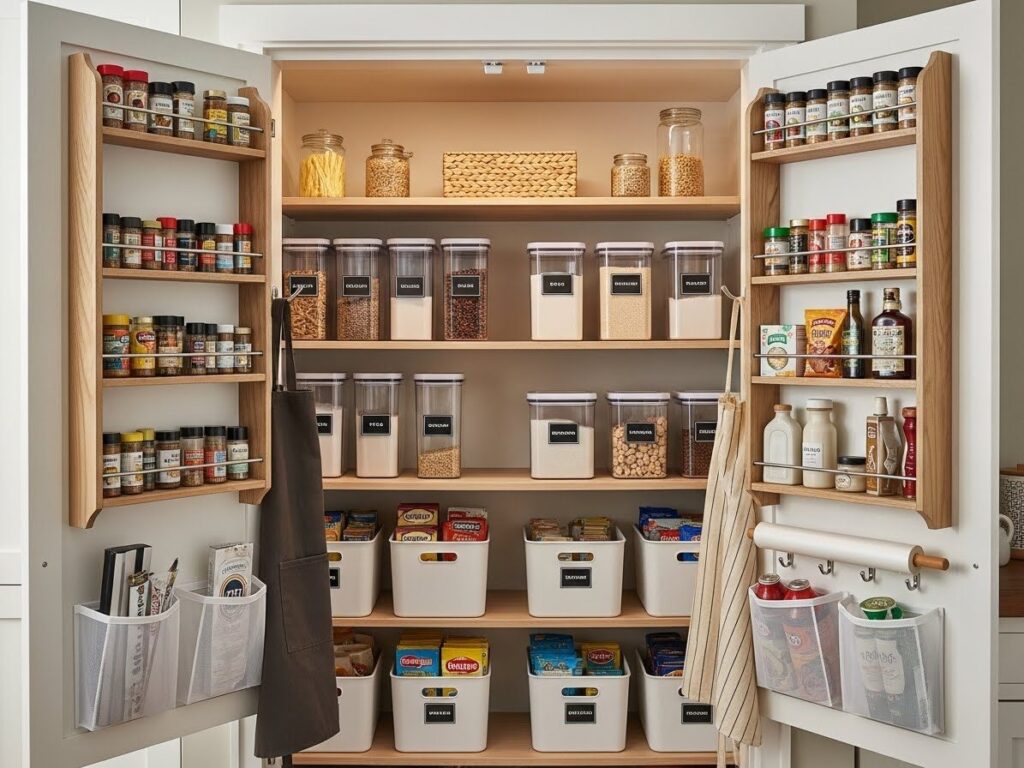
9. Make Smart Use of Pantry Doors
The pantry door is often overlooked but offers a surprising amount of extra storage space. Over-the-door racks are perfect for lightweight items such as spice jars, small sauces, snack packets, or beverage bottles. Some designs have adjustable baskets so you can customize heights and easily reach what you need. This transforms a wasted surface into purposeful organization without sacrificing shelf space.
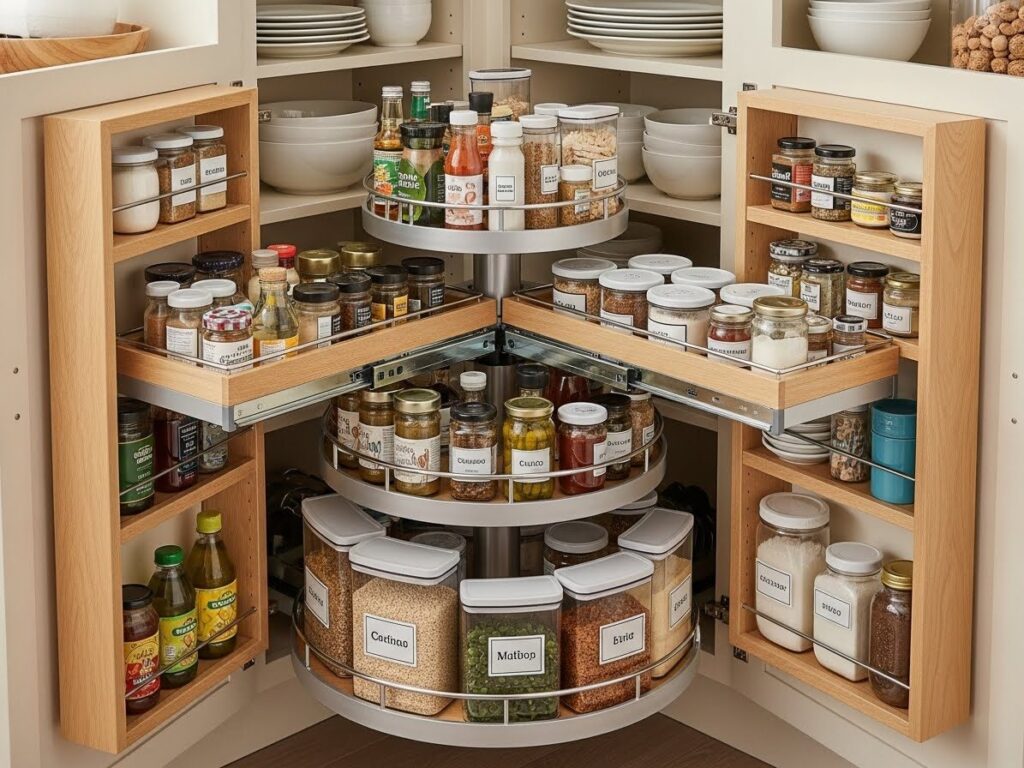
10. Try a Lazy Susan for Deep Corners
Deep corners and awkward nooks can be the downfall of pantry functionality. A Lazy Susan — a rotating tray — helps here by bringing items from the back to the front with a simple spin. This is ideal for oils, vinegars, condiments, or jars that tend to hide behind larger boxes. This clever tool ensures everything stays visible, reducing the need to shuffle items around every time you search for something.
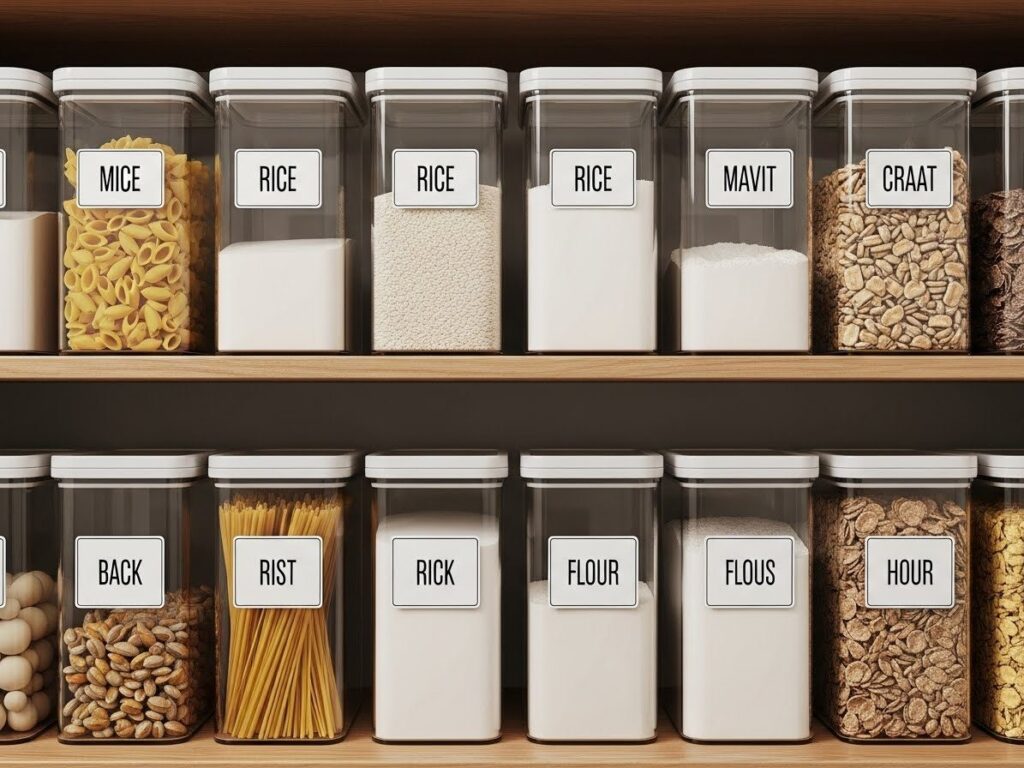
11. Use Labels Strategically
Even the best pantry setup can become messy without consistent labeling. Labels act as visual reminders for where things belong. You can print uniform labels for containers, use chalkboard tags you can change often, or even color-code by category. Labels make it easier for everyone in the family to put things back in the right place, boosting the longevity of your organization system.
12. Create a Grab-and-Go Snack Station
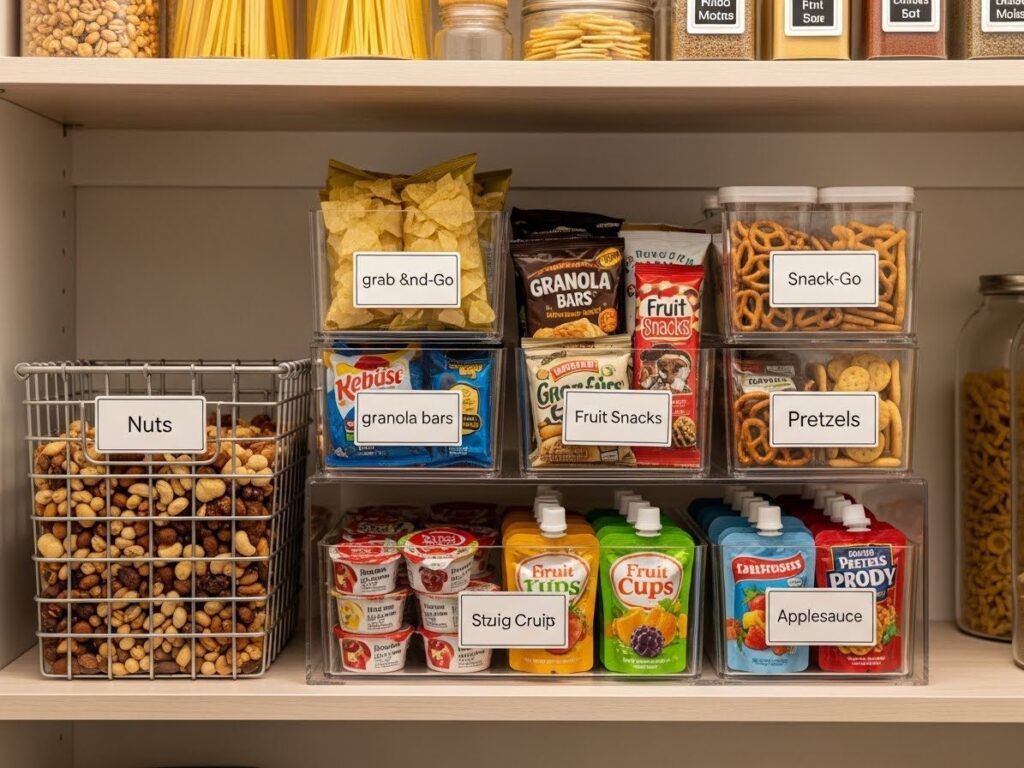
An organized pantry isn’t just about storage — it’s about convenience. Dedicate a lower shelf or basket for everyday snacks and breakfast items. When kids (or adults!) are rushing out the door, this station should be easy to reach and clearly defined. Portion snacks into reusable bags or small containers so the grab-and-go experience stays tidy and healthy. This small zone saves time and reduces the chances of snacks scattered across the pantry.
13. Keep a Pantry Inventory System
It’s one thing to organize your pantry, and another to keep it that way. A simple inventory strategy — like a printable checklist or a chalkboard inside the pantry door — helps you track what you have and what you need. When you notice something running low during the week, jot it down immediately instead of discovering later that you’re out of a key ingredient. Over time, this habit will save money, reduce food waste, and make meal planning more efficient.
14. Maintain With Weekly Habits
Pantry organization works best when it becomes a routine. Schedule a short weekly check — perhaps 10–15 minutes — to wipe shelves, straighten labels, and return misplaced items. During this time, also discard expired items so they don’t take up valuable space. These small efforts add up and ensure your system continues to serve you well throughout the year.
15. Personalize Your Pantry Space
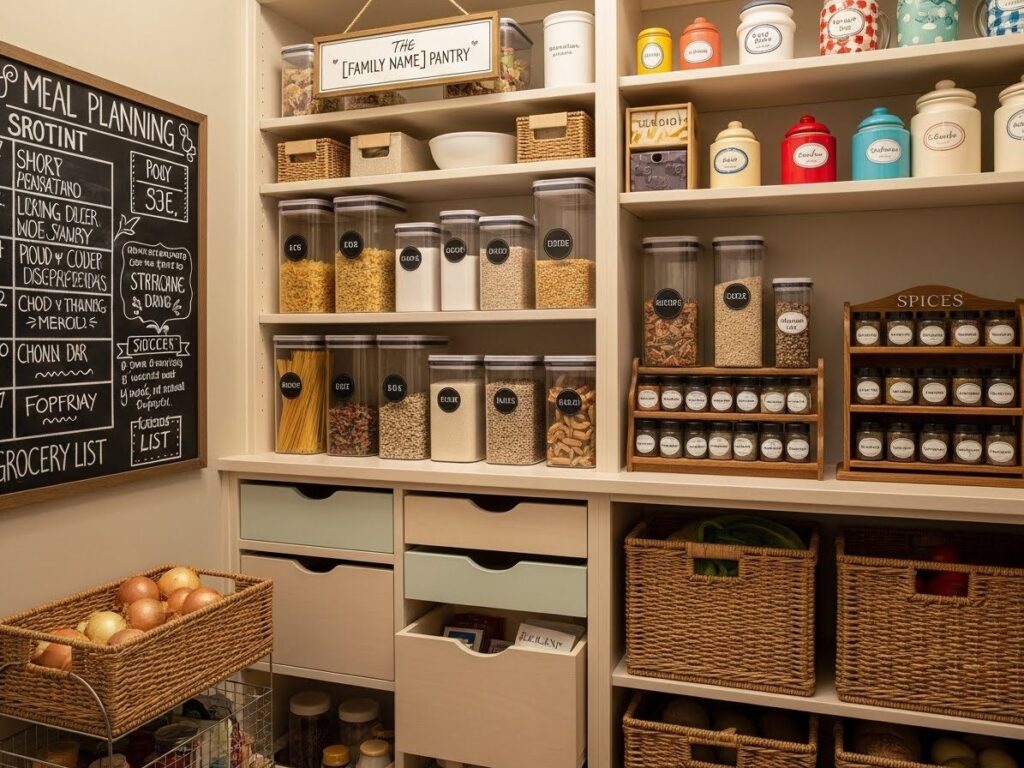
Finally, remember that your pantry should reflect how you cook and live. A family that bakes often might design a dedicated baking station with ingredients and tools grouped together, while another household might prioritize canned goods and bulk staples. Add features that feel useful to you — a chalkboard wall for lists, LED strip lights for visibility, or even a small wine rack if that fits your lifestyle. Personal touches make the pantry more inviting and a joy to use every day.
Final Thoughts
Organizing your pantry isn’t just a weekend project — it’s a way to enhance how your kitchen functions. When everything is thoughtfully placed and easy to find, you save time, reduce stress, and make better choices in the kitchen. From investing in clear containers to using every inch of space with smart organizers and zones, these 15 pantry organization ideas can transform your kitchen into a more efficient and enjoyable place to cook and live.