
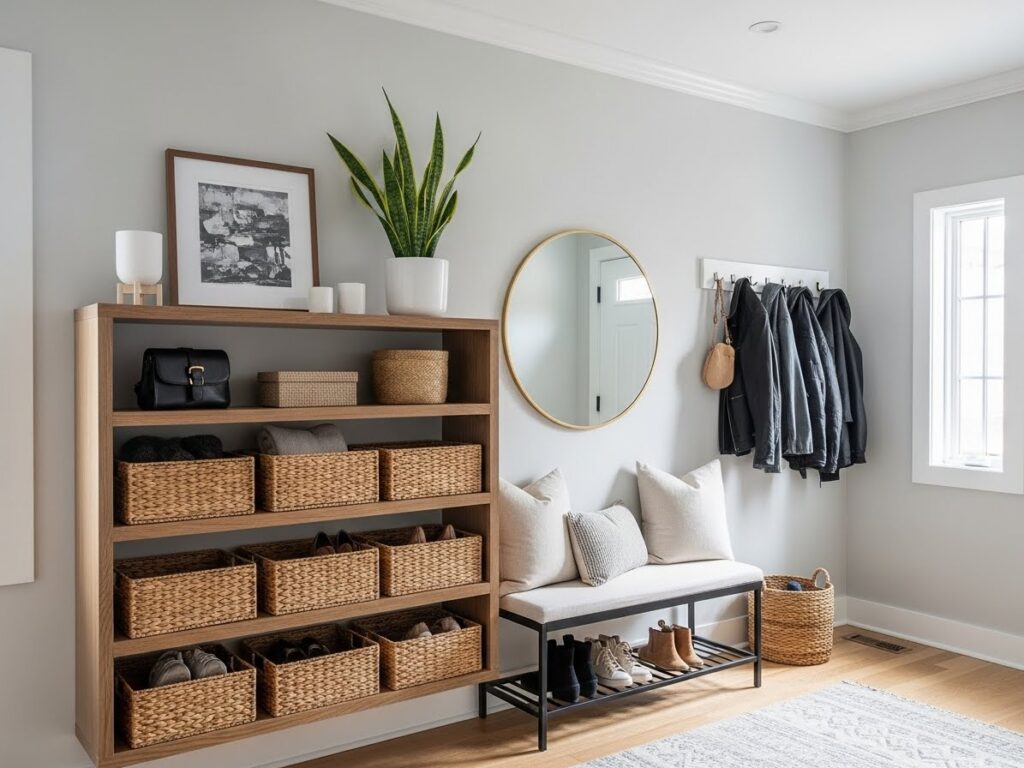
If your home feels cluttered even after cleaning, you’re not alone—and the solution is simpler than you think. Imagine opening every drawer, cabinet, and closet and finally finding everything in its place. From smart storage hacks to space-saving systems and even practical Pantry Organization Ideas that make daily life easier, these 20 Smart Home Organization Ideas to Declutter Every Room will help you create a home that feels calmer, cleaner, and easier to live in. Once you start reading, you’ll see just how much better your space can feel.
1. Use Clear Storage Bins with Labels
Contents
- 1 1. Use Clear Storage Bins with Labels
- 2 2. Add Wall Hooks in Every Room
- 3 3. Maximize Vertical Space with Shelving
- 4 4. Declutter Before You Organize
- 5 5. Create Zones in Each Room
- 6 6. Drawer Dividers for Small Items
- 7 7. Use Magazine Holders Beyond Magazines
- 8 8. Baskets for Soft or Loose Items
- 9 9. Organize the Kitchen with Clear Jars
- 10 10. Use Multi-Purpose Furniture
- 11 11. Hang Shoe Organizers Inside Closet Doors
- 12 12. Create a Home Command Center
- 13 13. Declutter Digital and Cable Clutter
- 14 14. Use Shower Caddies and Magnetic Storage in Bathrooms
- 15 15. Rotate and Store Kids’ Toys Strategically
- 16 16. Follow a Simple Cleaning and Reset Routine
- 17 17. Use Under-Bed Storage Wisely
- 18 18. Label Everything for Long-Term Order
- 19 19. Use Trays to Control Surface Clutter
- 20 20. Keep Flat Surfaces Minimal and Functional
- 21 Conclusion:
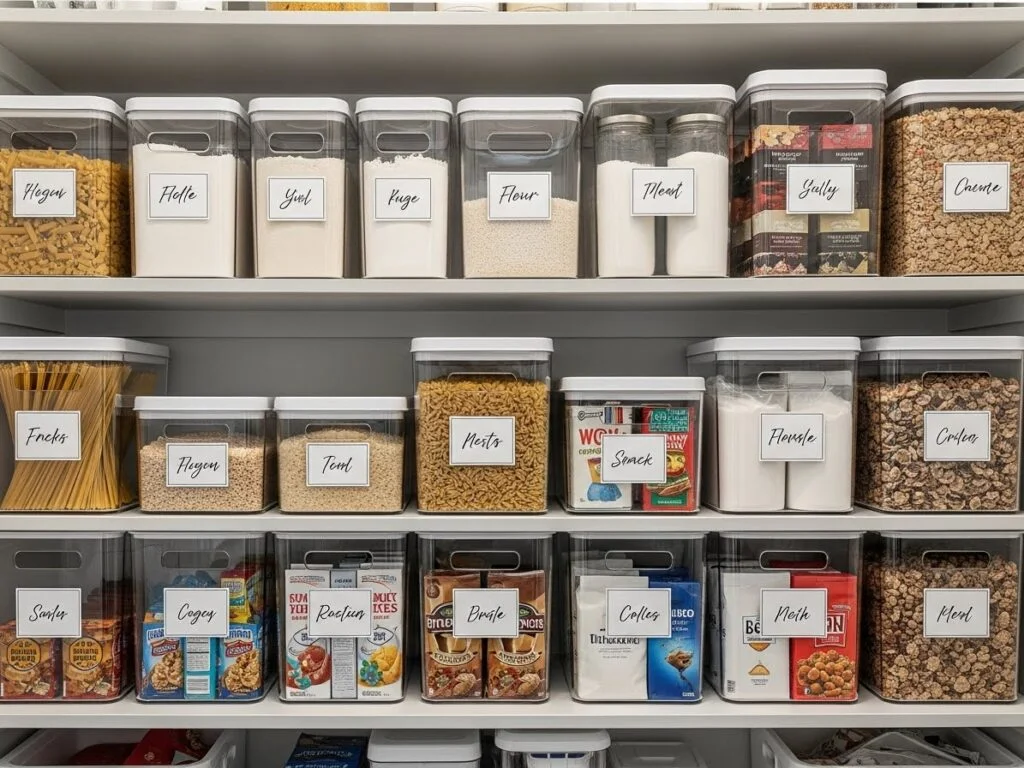
Clear storage bins are one of the most impactful home organization tools you can buy — because they eliminate guesswork. These transparent containers let you see the contents instantly, reducing time spent searching and preventing you from buying duplicates. Use stackable clear bins in closets, pantries, and playrooms to keep items orderly and accessible. Labels are essential too: use a label maker or printed tags to clearly mark what’s inside (e.g., “Winter Hats,” “Craft Supplies,” “Baking Tools”). Group similar items together so categories make sense, like putting all holiday décor in one zone. Treat each bin like a mini storage system. Heavy items go at the bottom, lighter ones on top to make unpacking and repacking easier without fumbling.
2. Add Wall Hooks in Every Room
Wall hooks are a simple, affordable way to eliminate clutter instantly. Instead of backpacks, scarves, keys, or towels ending up on chairs or floors, assign hooks near doorways, closets, or bathroom walls. In an entryway, wall hooks become a landing zone for what you grab daily: bags, jackets, umbrellas, pet leashes, and hats. Bedrooms benefit from hooks for jewelry, belts, and robes, fronting closets or behind doors.
You may also need to learn about the: You Need to See These 13 Closet Organization Ideas Before Transform.
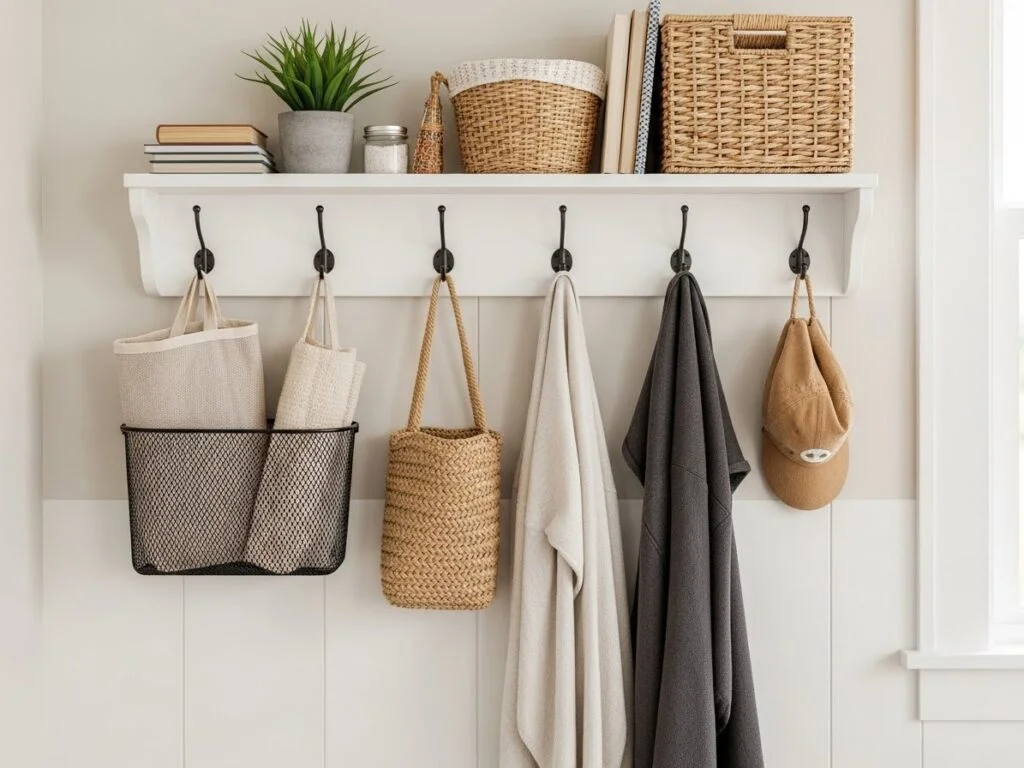
Bathrooms can use adhesive or mounted hooks for towels and loofahs, freeing up cabinet space. The key is placing the hooks where you naturally use items so habits form — you’ll automatically hang up what you use most. Look for sturdy metal hooks or decorative wood options that match your home style.
3. Maximize Vertical Space with Shelving
Most closets and rooms waste valuable vertical real estate. Installing shelves up the wall gives more room for storage without crowding the floor. Floating shelves can store books, décor, baskets, or seasonal accessories while keeping surfaces clear. In kitchens, adding shelves above countertops or between cabinets makes space for spices or dishware.
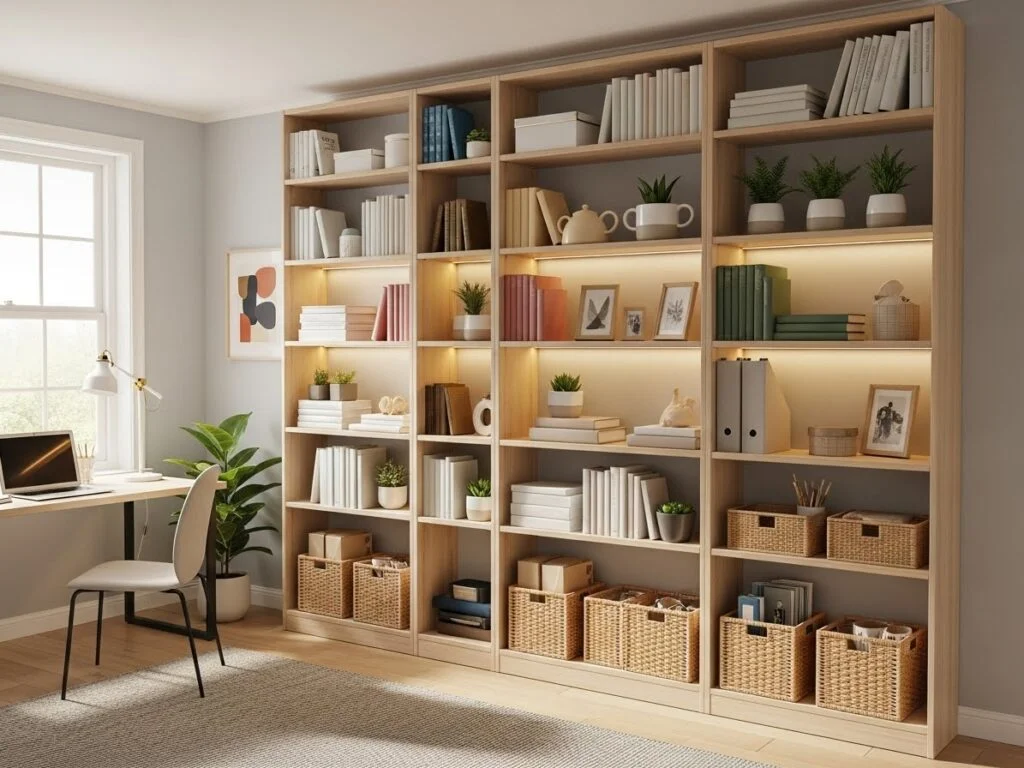
Tall shelving units in living rooms or laundry rooms give you growing storage as needs change. Vertical storage also visually expands space — bringing eyes upward makes rooms feel larger and less cramped. Combine shelves with vertical dividers to keep stored items tidy and easy to access rather than stacked messily. Wherever possible, mount shelves before clutter accumulates — prevention is more effective than correction.
4. Declutter Before You Organize
Before buying storage products or planning systems, the first step must be decluttering. Professional organizers emphasize that you can’t effectively organize what you shouldn’t keep it’s a crucial first step to lasting order. A simple method is the “Four Box Method,” where every item is sorted into Keep, Donate/Sell, Store, or Trash categories. This forces decisions on every object instead of merely shifting clutter around.
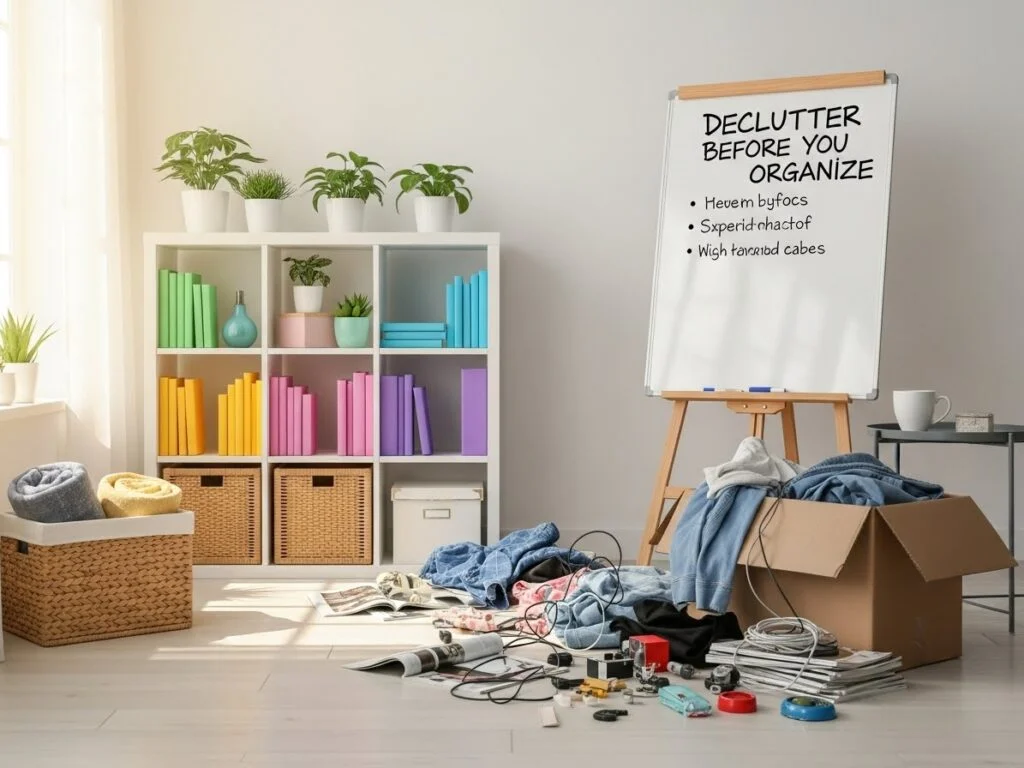
Alternatively, use Marie Kondo’s KonMari method: gather similar items first (clothes, books, papers), then decide what “sparks joy,” and eliminate the rest. Decluttering streamlines what’s left and makes storage truly functional rather than just cosmetic. Once the excess is gone, the rest of your organization’s efforts become easier and more effective.
5. Create Zones in Each Room
Zoning is a professional organizing principle that brings structure to every space by dividing it into functional areas. A living room, for example, can be grouped into reading, entertainment, and storage zones — keeping toys on one side, books and magazines in another, and electronics neatly housed. A bedroom may include separate zones for clothing, sleeping, and accessories. When items are stored near where they’re used, it eliminates random messes.
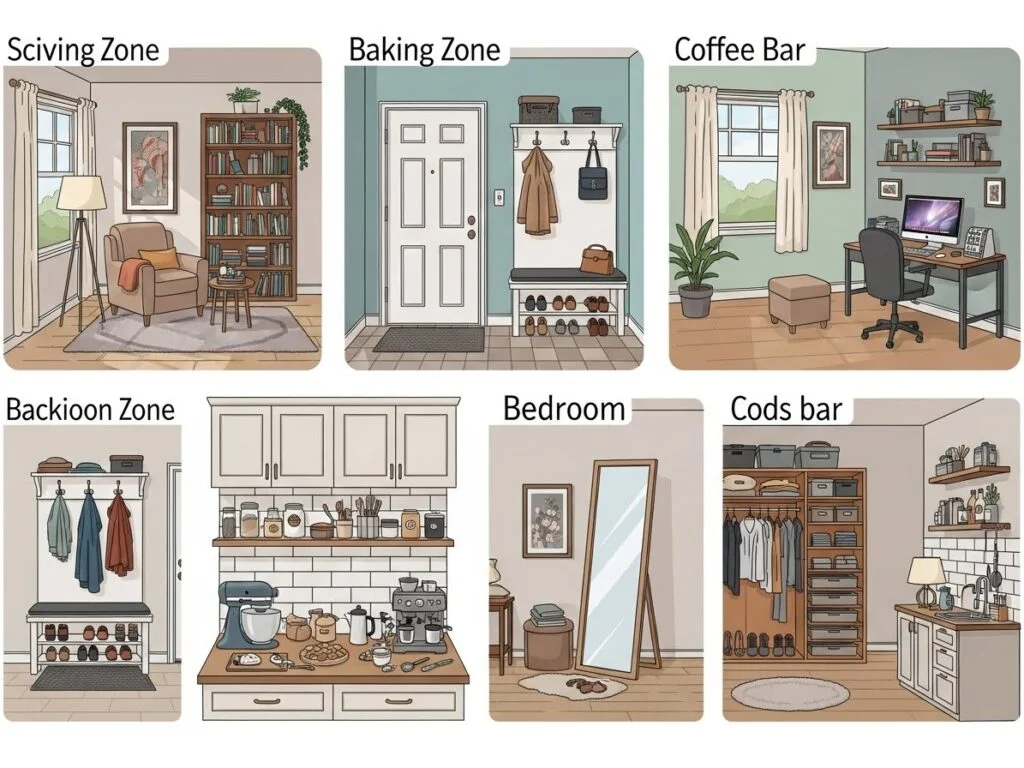
Zoning helps reduce clutter because each activity has its own space, and it guides you in choosing the right storage products like baskets for toys, racks for clothes, and trays for accessories. A zoned home feels intentional — every item has a logical home, reducing clutter spillover into other spaces.
6. Drawer Dividers for Small Items
Drawers can easily become black holes of chaos without structure. That’s where adjustable drawer dividers come in. These tools create compartments for smaller items like utensils, socks, stationery, makeup, or tools so everything stays separated and visible. Instead of digging through a jumbled drawer, dividers allow you to assign specific spaces for each category — like pens in one section, sticky notes in another, and wires in a third.
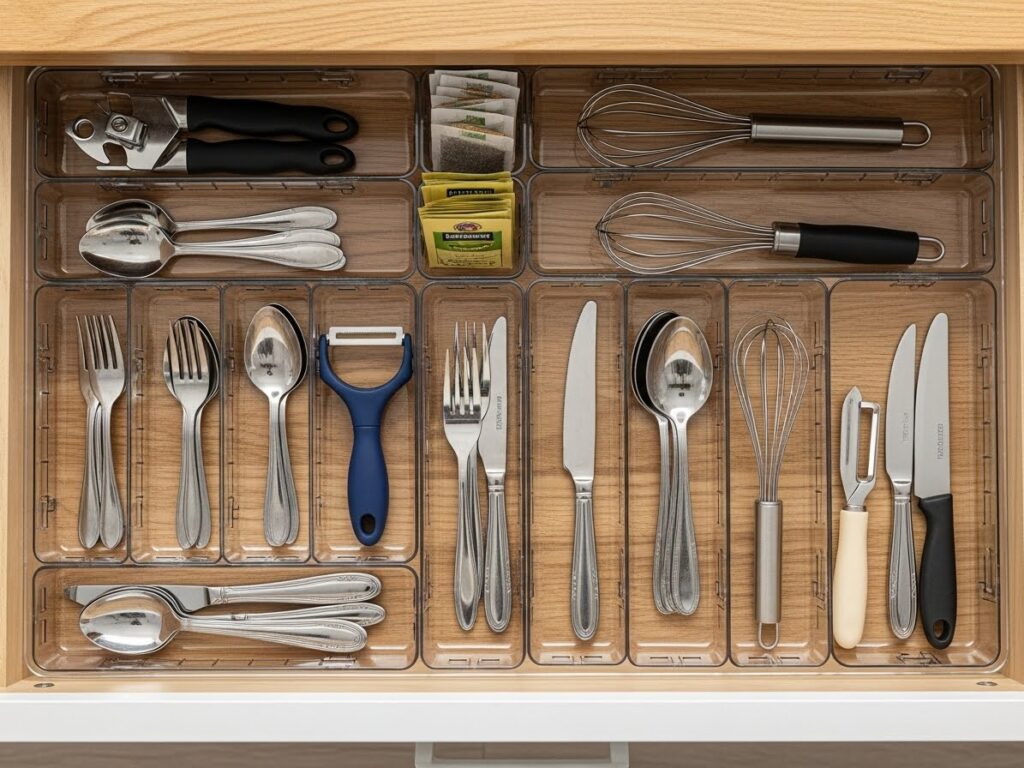
This simple fix also protects delicate items by preventing them from shifting around. Choose spring-loaded dividers that fit snugly and won’t slip, and combine them with drawer liners to keep things from sliding. Once installed, this system forces order and makes even the messiest drawers functional.
7. Use Magazine Holders Beyond Magazines
Magazine holders are one of the most underrated storage tools. Beyond holding magazines and mail, they are excellent for organizing tall or narrow items. In kitchens, use them vertically to store cutting boards, lids, trays, and baking sheets so items don’t slump sideways. In home offices, they can hold notebooks, envelopes, and folders. Entryways benefit from using magazine holders for gloves and scarves.
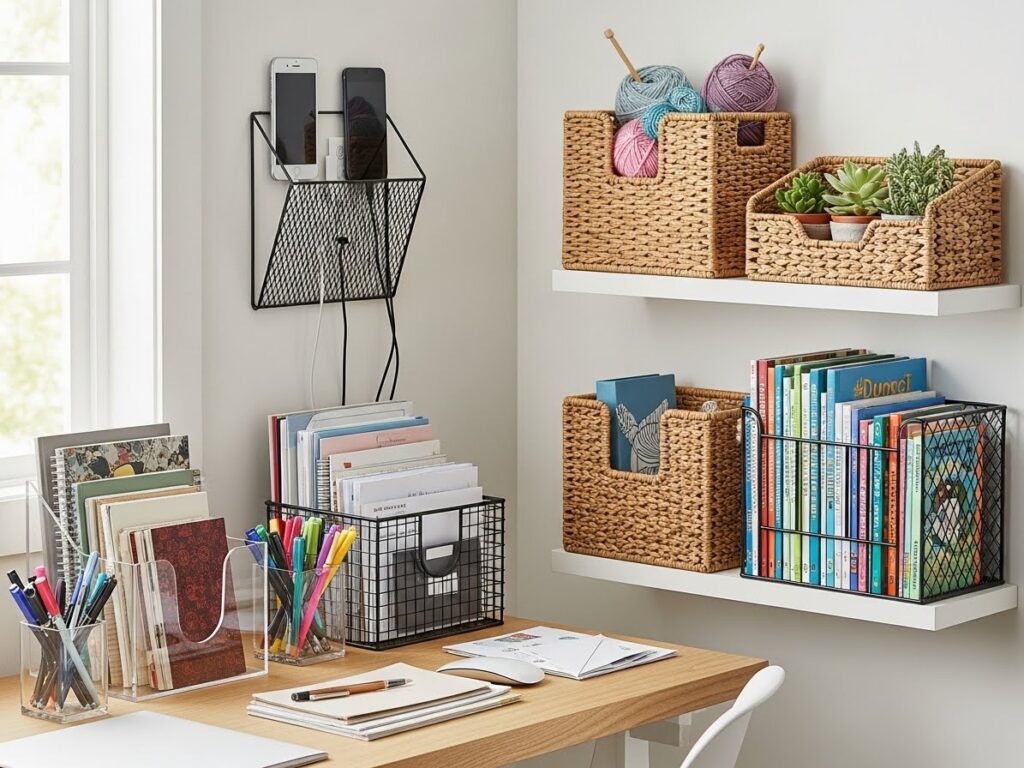
In bathrooms, hold hair tools or rolled towels. Because they store items upright, everything stays visible and easy to retrieve. Choose holders in materials that fit your home — wicker for rustic, metal for modern spaces, or clear acrylic for total visibility. These inexpensive organizers can eliminate drawer clutter and make better use of vertical cabinet space too.
8. Baskets for Soft or Loose Items
Baskets are both decorative and highly functional, especially for soft or loose items that don’t stack well. Use baskets in living rooms to corral throw blankets, extra pillows, or children’s toys to keep them off the floor. In closets, woven baskets can hold socks, scarves, or seasonal clothing. Plastic bins work well in laundry rooms for sorting clothes by color or fabric type.
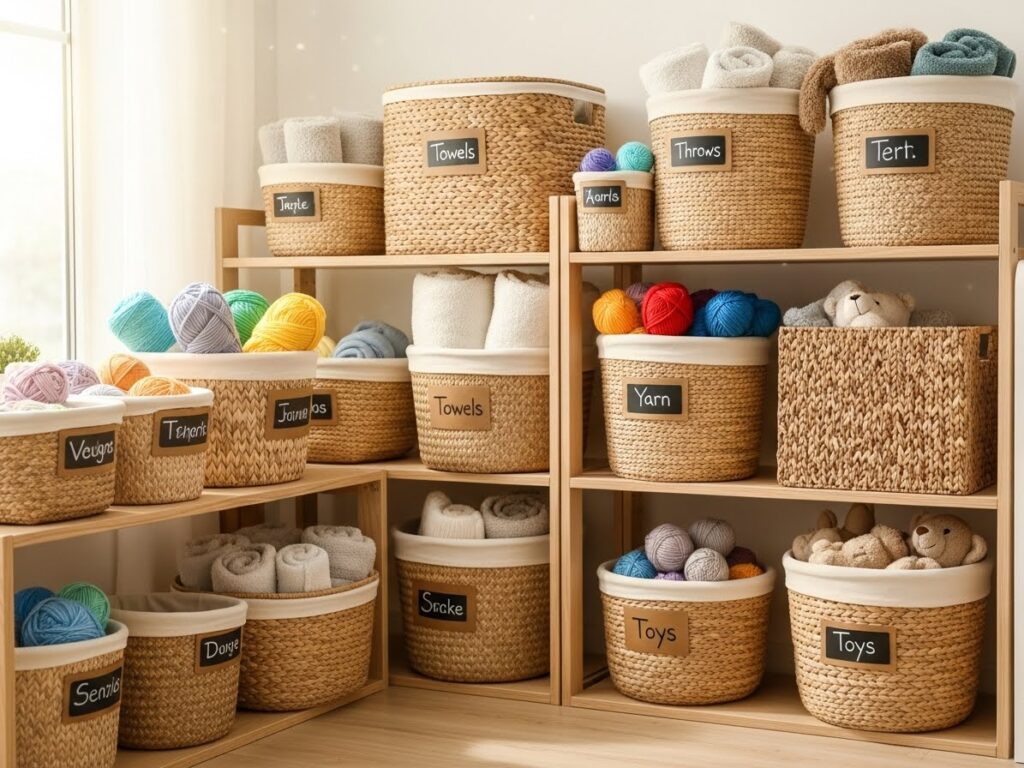
Baskets also hide chaos while still giving quick access — unlike opaque boxes that make you rummage. Choose sizes that fit your existing shelves or under furniture to maximize hidden storage. Think of baskets as a “designated pocket” for items that otherwise drift onto surfaces. They improve aesthetics while cutting visual clutter.
9. Organize the Kitchen with Clear Jars
Kitchen organization is one of the most visible aspects of a tidy home because clutter quickly shows on countertops and shelves. Clear glass jars and airtight containers are an excellent way to store dry foods like rice, pasta, flour, spices, and snacks. They look clean and cohesive on open shelving or inside cabinets, and make it easy to see when you’re running low.

Group similar food categories together — grains, baking, snacks — and keep pantry staples within eye level. Use stackable designs and tiered risers to avoid wasted space, and label jars clearly with chalkboard tags or printed labels. This converts chaotic pantries into efficient systems where every ingredient has a logical place.
10. Use Multi-Purpose Furniture
Multi-purpose furniture gives you storage and function without taking up extra floor area. Beds with built-in drawers eliminate the need for separate dressers. Storage ottomans hide blankets, board games, or accessories while offering seating. Benches with cubbies or baskets underneath make smart entryway or mudroom solutions.
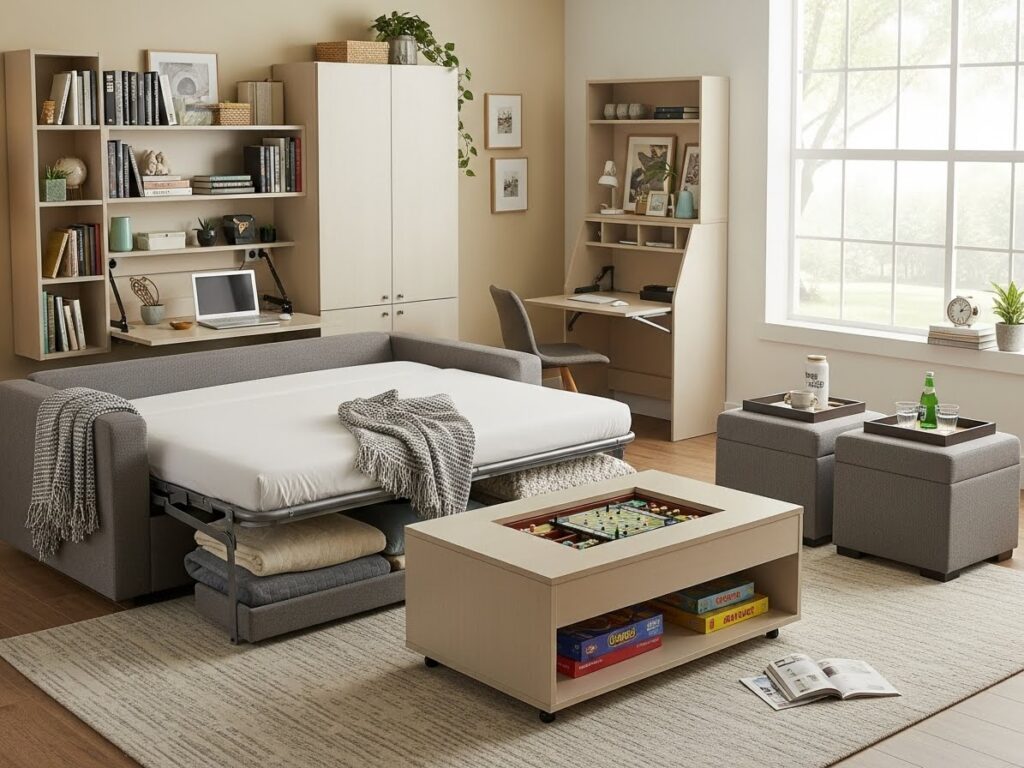
Coffee tables with lower shelves or hidden compartments are great for magazines and remotes. These pieces reduce the number of standalone organizers you need and keep rooms from feeling cluttered. Choose furniture that fits your style but also solves a storage problem, so each piece works twice as hard — for décor and for utility. This approach keeps belongings organized and surfaces clear.
11. Hang Shoe Organizers Inside Closet Doors
Over-the-door shoe organizers are one of the smartest space-saving solutions because they turn unused door space into functional storage. While they’re designed for shoes, their real power lies in versatility. In bedrooms, use them to organize scarves, belts, socks, or handbags. In bathrooms, they work perfectly for toiletries, hair products, and cleaning supplies. Kitchens can use them for snacks, spices, foil rolls, or water bottles.
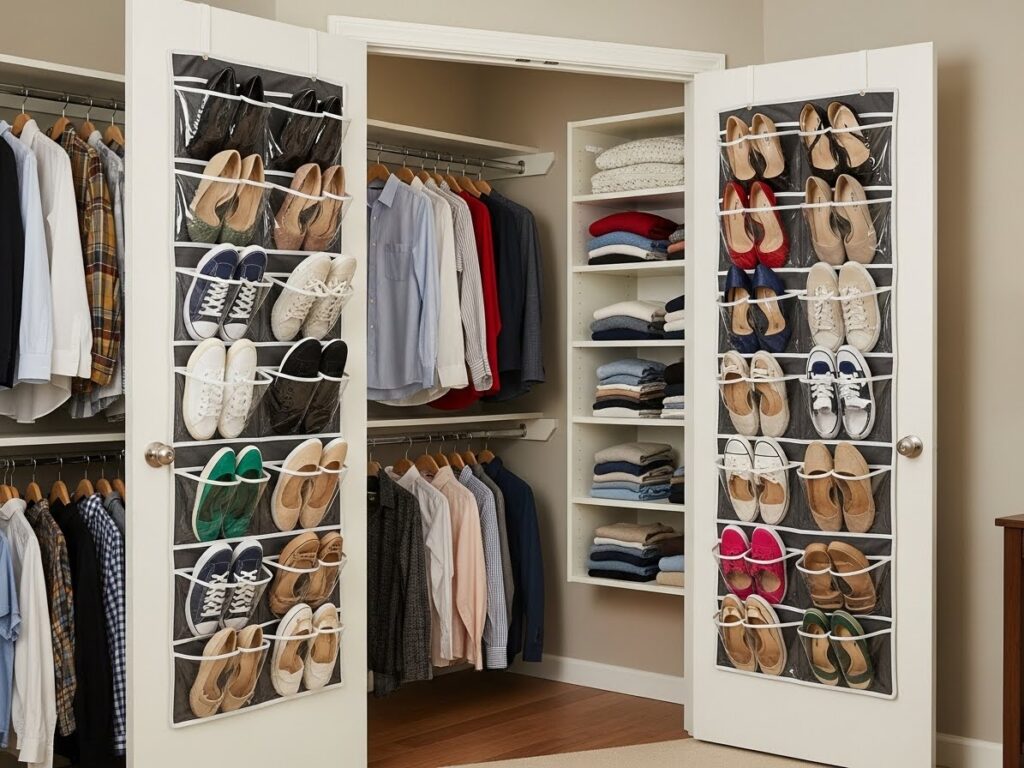
The clear pocket style allows you to see everything at a glance, which reduces forgotten items and overbuying. Place frequently used items at eye level and seasonal items near the bottom. Because they don’t require drilling, these organizers are renter-friendly and easy to move. This simple addition instantly frees up drawers and shelves while keeping items visible and accessible.
12. Create a Home Command Center
A home command center is the control hub for daily life, helping prevent paper clutter and missed responsibilities. Choose a small wall, hallway, or kitchen corner and dedicate it to essentials like calendars, mail, keys, and reminders. Use wall-mounted file holders for incoming and outgoing mail, hooks for keys and bags, and a whiteboard or chalkboard for schedules and to-do lists. Adding a small tray for wallets and phones keeps surfaces elsewhere clutter-free.
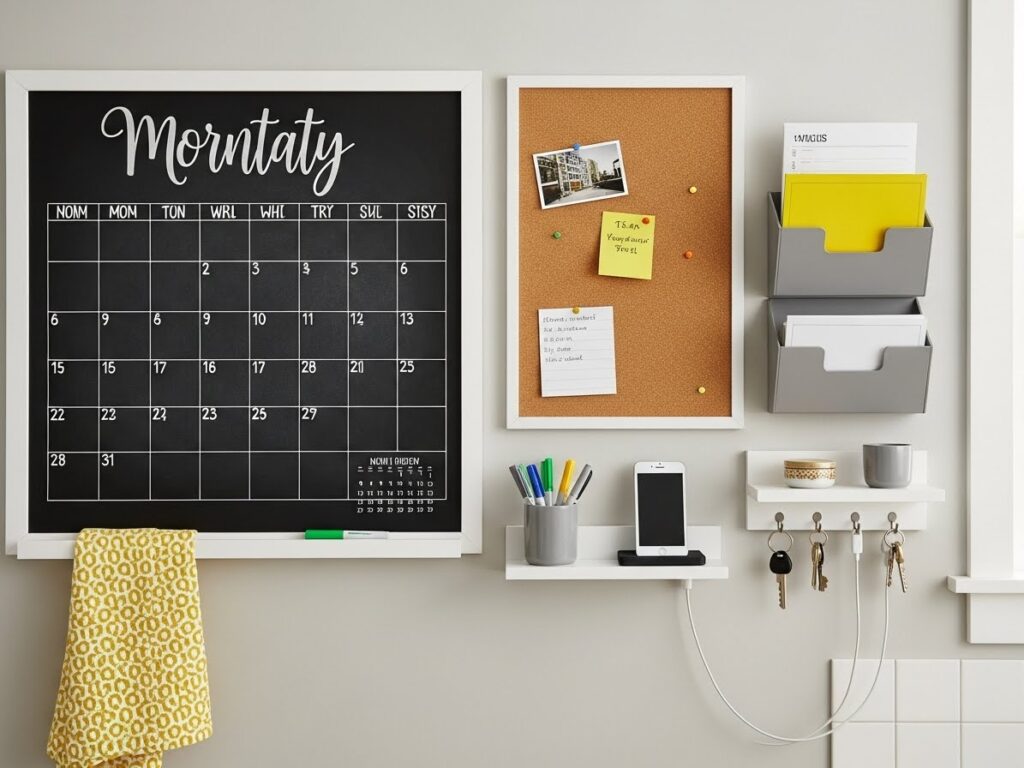
This system works best when every family member uses it consistently. By centralizing daily-use items, you eliminate piles of paper across counters and reduce last-minute stress. A well-designed command center brings structure to busy households and keeps important information visible, organized, and easy to update.
13. Declutter Digital and Cable Clutter
Physical clutter isn’t the only thing that creates chaos — digital and cable clutter can be just as stressful. Start by organizing charging cables, power cords, and electronics using labeled cable ties or cord boxes. Assign each device its own charger to avoid tangled messes. Use a charging station or drawer insert to keep phones, tablets, and earbuds in one place.
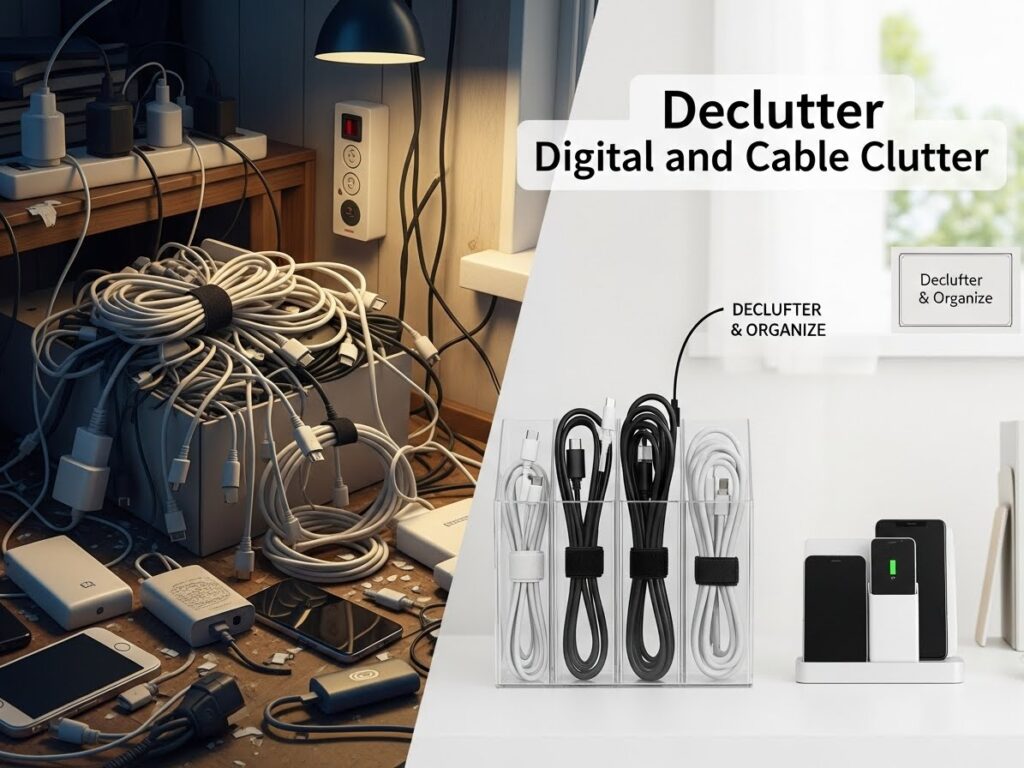
Digitally, delete unused apps, organize files into folders, and back up important documents regularly. Label cords near plugs so you know what belongs to what. Reducing cable clutter improves safety, makes cleaning easier, and gives rooms a cleaner look. When both physical and digital spaces are organized, your home feels more peaceful and functional overall.
14. Use Shower Caddies and Magnetic Storage in Bathrooms
Bathrooms often feel cluttered because they store many small, frequently used items. Shower caddies are essential for organizing shampoos, soaps, and razors without crowding tub edges. Choose rust-resistant hanging or corner caddies to maximize space. Inside cabinets, add magnetic strips to store metal items like tweezers, nail clippers, and bobby pins.
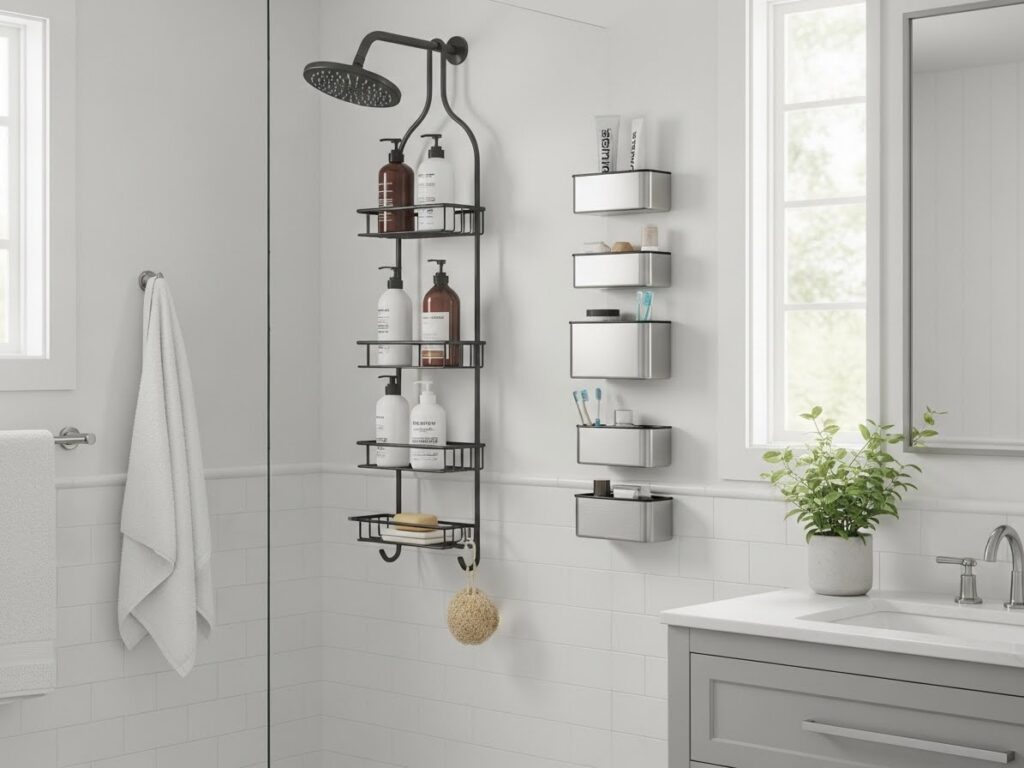
Stackable bins under sinks help separate skincare, cleaning products, and extra toiletries. Keep daily-use items within easy reach and store backups higher or deeper in cabinets. This system prevents overbuying and makes morning routines smoother. A well-organized bathroom not only looks cleaner but also saves time, reduces spills, and makes small spaces feel larger and calmer.
15. Rotate and Store Kids’ Toys Strategically
Toy clutter can quickly overwhelm any home, especially when everything is out at once. Toy rotation is a smart strategy that keeps spaces tidy while keeping kids engaged. Store most toys in labeled bins and display only a small selection at a time. Every few weeks, swap toys to refresh interest without buying new ones. Use low shelves or open bins so children can access and return toys independently.
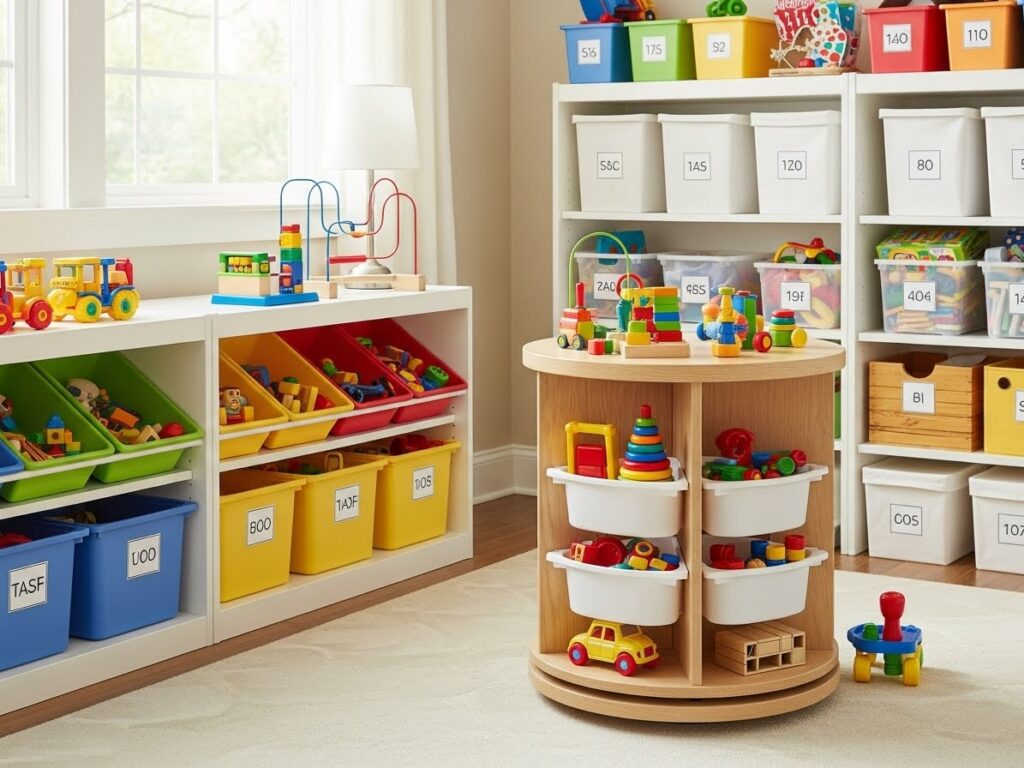
Categorize toys by type — puzzles, blocks, art supplies — and keep each group together. This system teaches kids organization skills and reduces cleanup battles. Rotating toys also prevents overstimulation and keeps play areas neat, functional, and easy to maintain.
16. Follow a Simple Cleaning and Reset Routine
Organization only lasts when it’s maintained, and that’s where a reset routine helps. A daily 10–15 minute reset can stop clutter from building up. Focus on quick tasks like clearing counters, returning items to their zones, sorting mail, and tidying visible surfaces. Weekly routines can include drawer resets, fridge checks, and laundry organization. Monthly decluttering keeps storage from overflowing.
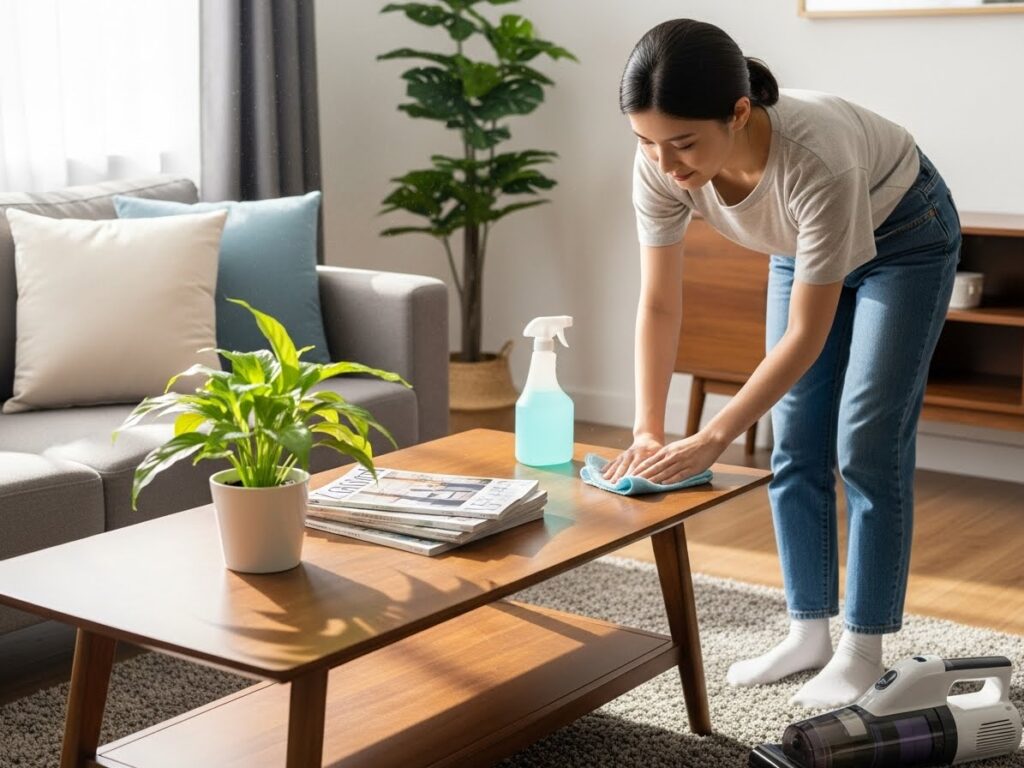
The goal isn’t perfection — it’s consistency. When tidying becomes a habit, your home stays organized without overwhelming effort. Set reminders or pair resets with daily habits like after dinner or before bed. This routine keeps clutter under control and makes deep cleaning easier and faster.
17. Use Under-Bed Storage Wisely
Under-bed storage is ideal for items you don’t need daily but still want to access. Use low-profile bins with wheels for easy access. Store seasonal clothing, shoes, extra bedding, or luggage. Clear containers help you see what’s inside, while fabric zippered bags protect items from dust. Label each bin so you don’t forget contents.
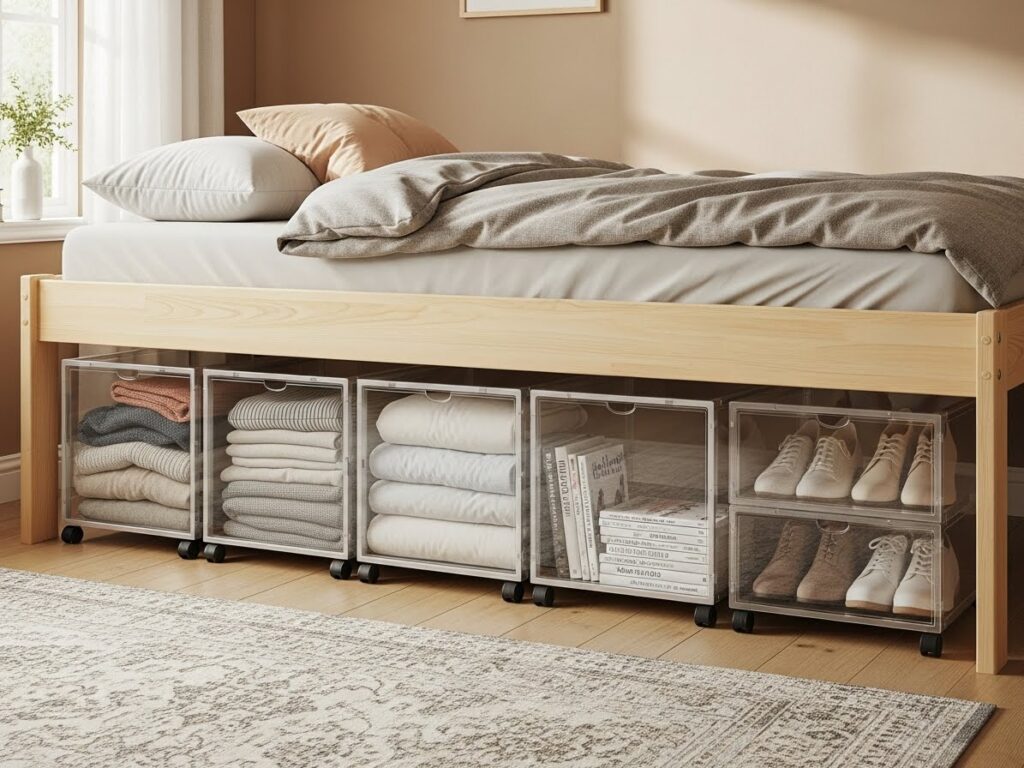
Avoid storing random items — group by category for easier retrieval. This hidden storage keeps closets less crowded and rooms visually clean. Make sure items are clean before storing to avoid odors. When used intentionally, under-bed storage turns unused space into an organized, efficient extension of your home.
18. Label Everything for Long-Term Order
Labels are the backbone of a sustainable organization system. They remove guesswork and help everyone in the home know where items belong. Label bins, shelves, drawers, and containers using clear, simple words. In shared spaces, labels reduce confusion and prevent clutter from returning. For kids, picture labels can be especially helpful.
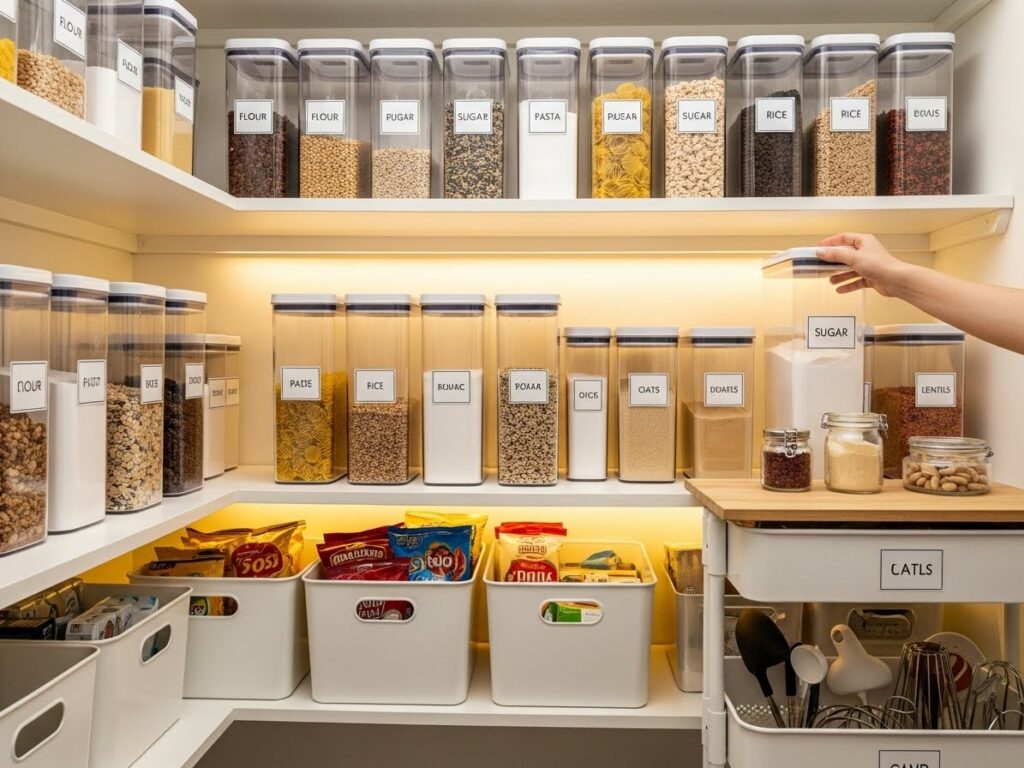
Use waterproof labels in kitchens and bathrooms for durability. Consistent labeling also makes it easier to maintain systems over time and helps during cleaning or reorganizing. When every item has a clearly marked home, putting things away becomes automatic. Labels turn good organization into a long-lasting habit rather than a temporary fix.
19. Use Trays to Control Surface Clutter
Flat surfaces attract clutter quickly, from keys and coins to beauty products and remote controls. Trays act as controlled collection zones that keep small items contained and intentional. Place trays on entry tables, coffee tables, nightstands, and bathroom counters. Group related items together so surfaces still feel clean and styled.
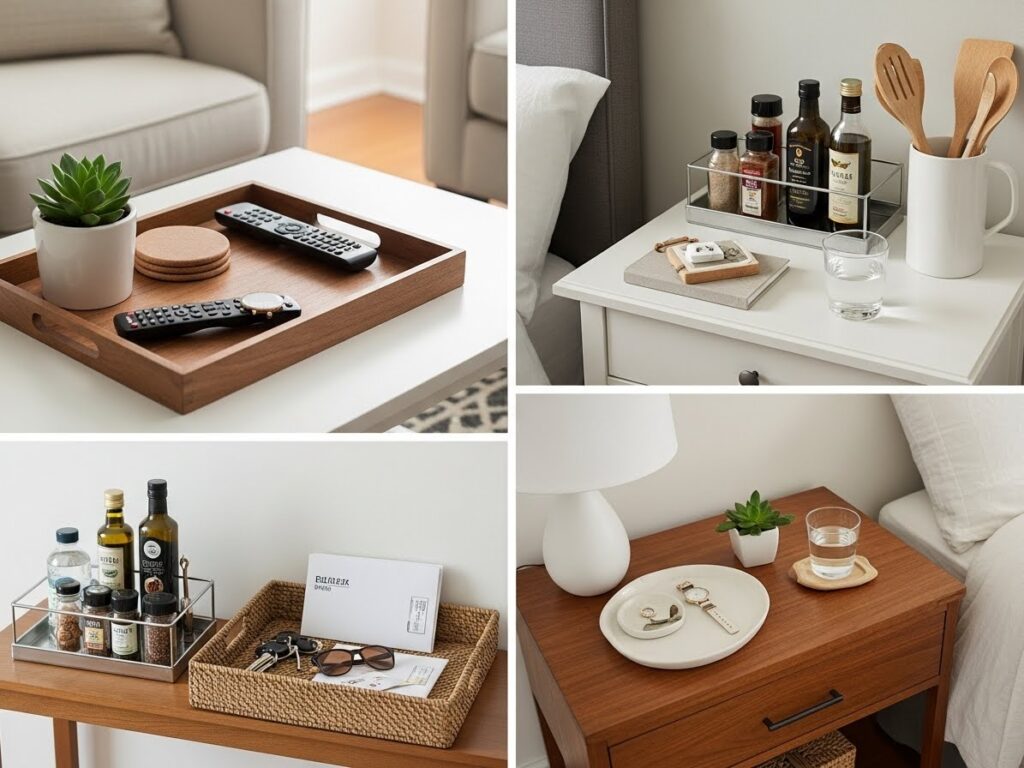
Trays also make cleaning easier — you can lift one item instead of clearing many. Choose tray materials that match your space, such as wood, metal, or acrylic. By defining where items belong, trays prevent clutter from spreading and help surfaces stay neat without constant effort.
20. Keep Flat Surfaces Minimal and Functional
Clear surfaces are the foundation of a decluttered home. Counters, tables, and dressers should only hold items that are used daily or intentionally displayed. Too many objects create visual noise and make cleaning harder. Adopt the “one-touch rule” — if an item doesn’t belong there, put it away immediately. Store backups and rarely used items out of sight.
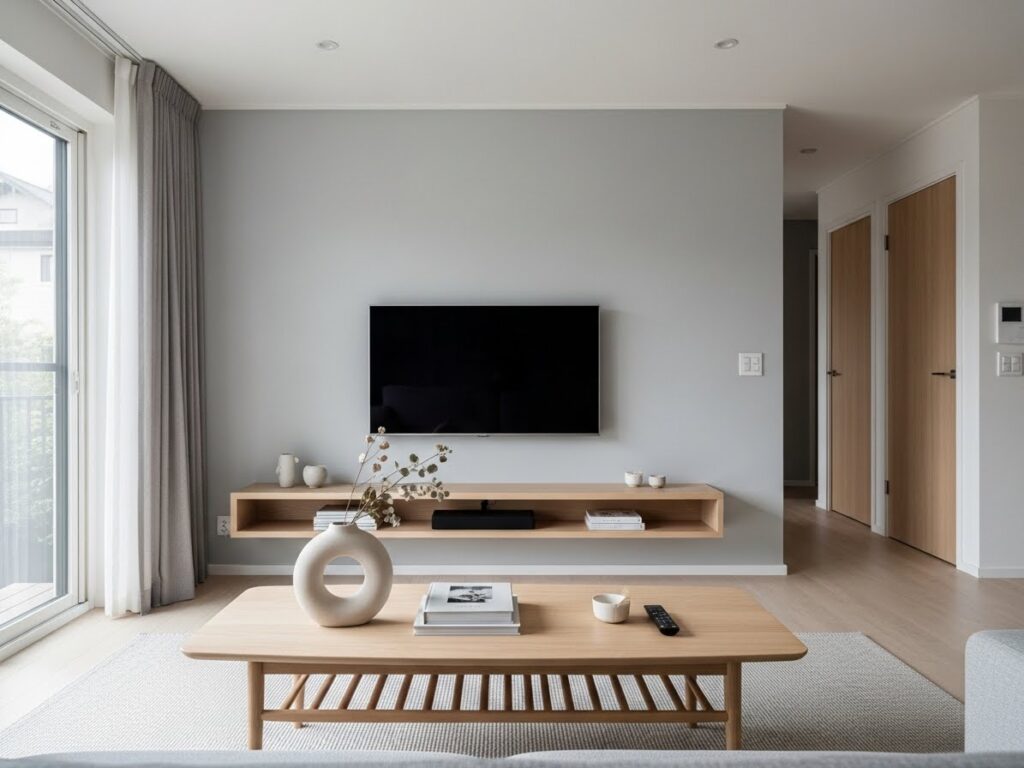
Leave breathing room on surfaces to create a calm, open feel. Minimal surfaces don’t mean empty spaces — they mean purposeful ones. When flat areas stay clear, the entire home feels more organized, spacious, and easier to maintain.
Conclusion:
Decluttering your home isn’t a one-day project, it’s a lifestyle built on small, smart decisions made consistently. The 20 smart home organization ideas shared in this guide are designed to help you create systems that are easy to maintain, realistic for everyday living, and adaptable to any home size. By focusing on zones, labels, multi-purpose storage, and simple routines, you reduce clutter at the source instead of constantly cleaning it up.
A well-organized home saves time, lowers stress, and creates a space where you can truly relax. Start with just one room or one idea, then build momentum as you see the difference it makes. When every item has a purpose and a place, your home becomes easier to manage, more enjoyable to live in, and naturally clutter-free.